American Banks Build Their Own Blockchain for Stablecoins
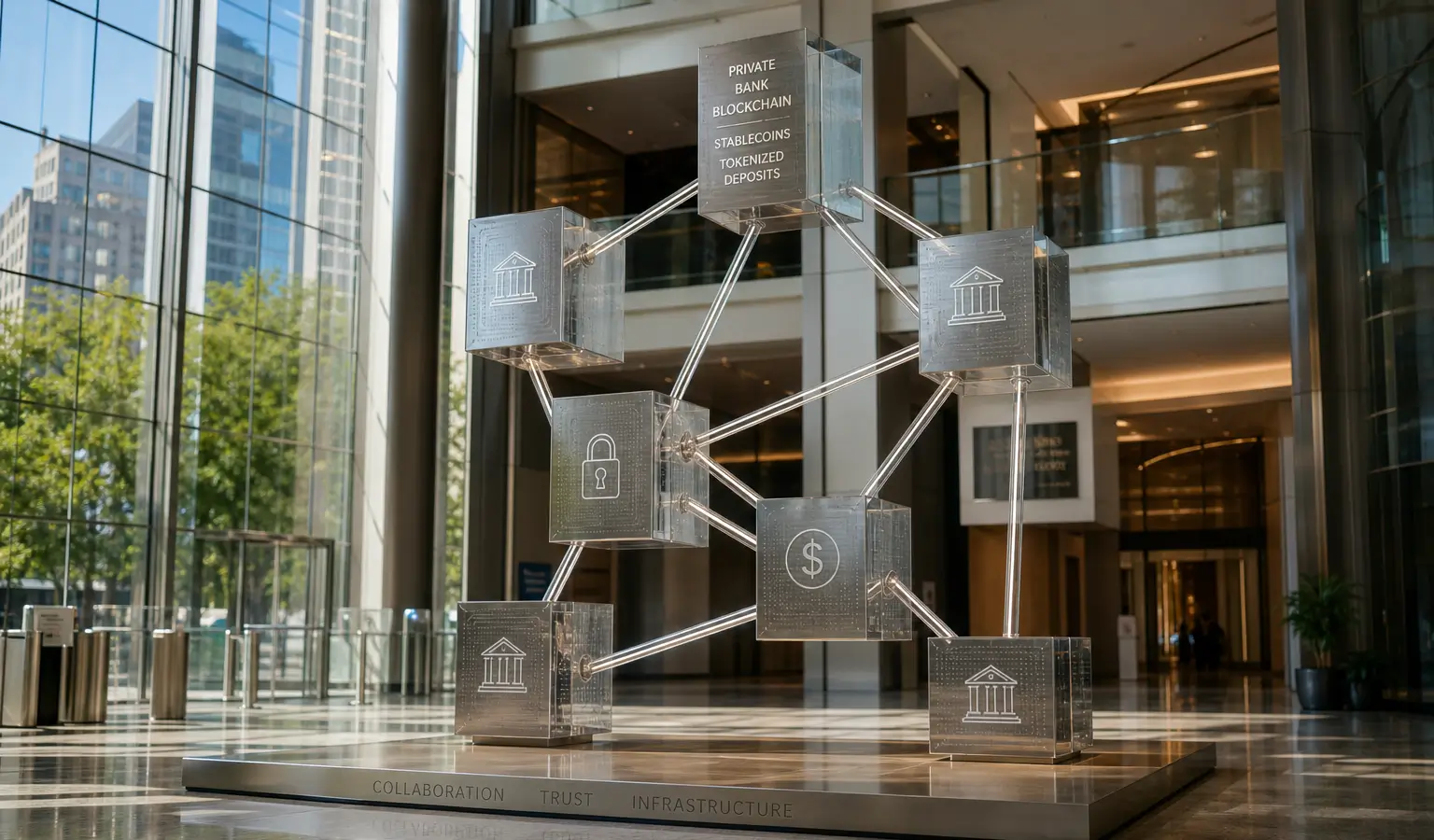
Thirty-nine American state banking associations want to build their own network for smart payments, tokenized deposits, and stablecoins. The plan fits within the GENIUS Act and the broader banking test with blockchain infrastructure.
Key Takeaways
- Thirty-nine American state banking associations want to join forces to set up BankChain Alliance, their own blockchain network for banks.
- The network is meant to make smart payments, tokenized deposits, and stablecoins possible within the regulated banking system.
- The banks are still looking for a technology partner and want the system to be interoperable with existing payment and settlement systems.
After a year of political fighting in Washington between banks and the crypto sector, American state banking associations now want to set up their own blockchain network. The project, BankChain Alliance, is meant to make financial innovations like smart payments, tokenized deposits, and stablecoins possible within the regulated banking system.
Banking Sector Chooses Its Own Path
Thirty-nine state banking associations have backed the initiative. In a statement, they called the plan “industry-owned, industry-designed and industry-governed.” Kathy Kraninger, interim chair of the project and top executive at the Florida Bankers Association, called it an unprecedented collaboration among thousands of banks.
According to the banks, the network should be secure and regulated so institutions of every size can offer modern features to customers in rural, urban, and regional areas. The group is still looking for a technology partner to build the network. The system also needs to be interoperable with other networks, so links with existing payment and settlement systems can remain possible.
Stablecoins Within Banking Rules
The timing is notable. The BankChain Alliance fits into the broader move in which banks are increasingly trying to plug blockchain and tokenized assets into existing payment infrastructure. That also lines up with the GENIUS Act, which set a federal framework for payment stablecoins in 2025 and brought them closer to regulated financial infrastructure.
Earlier this month, Swift already said that 17 banks, including Citi, BNY, and Wells Fargo, will test transactions with tokenized digital assets on a blockchain-based ledger. That shows the line between traditional bank rails and blockchain applications is getting blurrier, even if each project is still being worked out differently.
In the United States too, banks are increasingly using tokenized deposits as an alternative to standalone stablecoin initiatives. For example, Wells Fargo recently announced its own blockchain service for business customers.
Why This Matters
For European crypto readers, this is mainly relevant because the debate here is not just about crypto, but about who controls the infrastructure for payments and digital dollars. If major banks keep rolling out their own blockchain networks, that could further normalize the role of stablecoins and tokenized deposits in the broader financial system. It also shows that blockchain is increasingly being seen as a technical layer for banking services, not just as a separate crypto niche.