CFTC Investigates Kalshi Trade Tied to Trump Teleprompter Operator
The CFTC is reviewing possible insider trading on Kalshi after a White House staffer allegedly bet on Trump’s speeches. The case is adding pressure to prediction market oversight and market integrity.
Key Takeaways
- A White House teleprompter operator reportedly made more than $100,000 on Kalshi by betting on Trump’s remarks.
- Gabriel Perez is in settlement talks with the CFTC, according to ABC News, and placed bets on more than a dozen Trump speeches over three months.
- Kalshi flagged the trading activity itself, added extra integrity measures, and the CFTC is keeping a close eye on prediction markets.
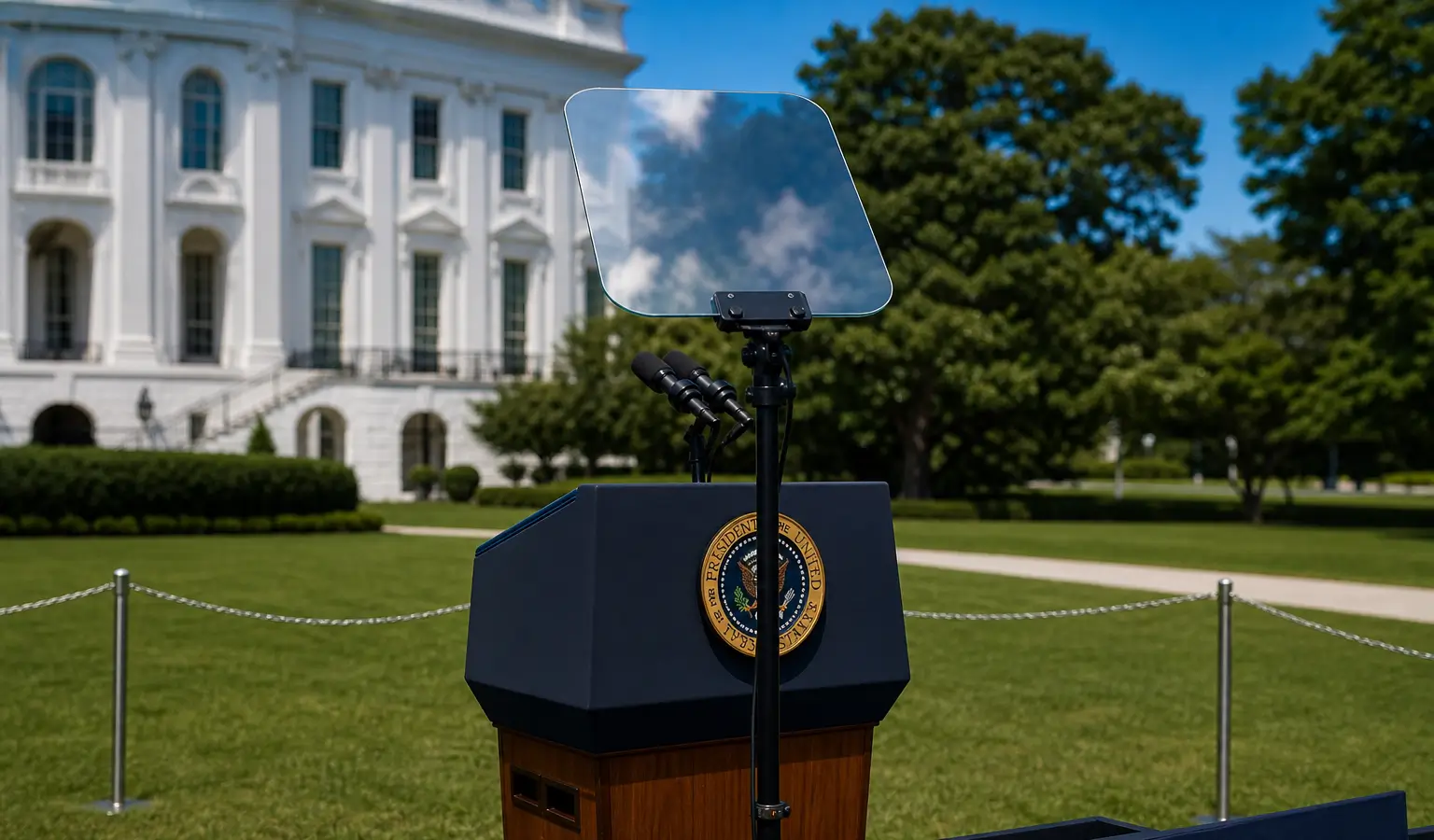
A White House teleprompter operator reportedly made more than $100,000 on Kalshi by betting on what President Donald Trump would say before he left the stage. The case is drawing fresh attention to how exposed prediction markets can be to insider trading, especially as regulators and platforms keep tightening their controls.
How the Bets Worked
According to ABC News, the person in question is Gabriel Perez, who has handled Trump’s teleprompter since 2016 and is now in settlement talks with the Commodity Futures Trading Commission, or CFTC. He reportedly placed bets on more than a dozen Trump speeches over a three-month stretch, including the State of the Union in February.
Kalshi’s so-called Mentions markets let traders bet on whether a specific word or topic will appear in a public speech. Investigators say Perez had access to the script, but Trump often goes off script. That made the trade risky, and Perez reportedly sold during speeches when the expected words did not appear.
Trump said in January at the Detroit Economic Club that he goes off the teleprompter “about 80% of the time.” Investigators believe Perez may have bet on that speech as well.
Kalshi Under Scrutiny
Kalshi says its surveillance team spotted the trading activity and reported it to the CFTC. The exchange has also introduced additional market integrity measures in recent weeks, including risk scoring and checks on employment relationships. The company previously said its screening tools blocked more than 100 possible insider trades in the first quarter of 2026, while the same period also brought 150+ investigations and 20+ referrals to law enforcement.
The CFTC has been watching prediction markets closely for some time. The regulator has already warned about the misuse of nonpublic information and has taken action in cases where traders bet on their own political role or campaign. That makes this case a useful test of how regulated marketplaces need to build their controls. The broader debate is also unfolding around the dispute over Kalshi trades, where the regulator is defending the limits of its oversight of prediction markets.
Why This Matters for Europe
For European crypto readers, the case shows how fast a regulated market model can come under strain when sensitive information and trading sit too close together. That matters beyond the U.S. too, because similar crypto platforms are increasingly being pushed to prove that their surveillance, employer checks, and compliance systems are real, not just box-ticking on paper. In a market where trust and market integrity matter so much, cases like this could help shape how regulators approach new trading products.