CFTC Warns Prediction Markets Over Sloppy Contracts
The regulator is zeroing in on Kalshi, Coinbase, Polymarket, and Crypto.com, and wants more detail on settlement, data, and compliance for each event contract.
Key Takeaways
- The CFTC is again warning prediction markets against broad, one-size-fits-all contract templates, with Kalshi, Coinbase, Polymarket, and Crypto.com among the firms under scrutiny.
- The regulator says each contract variation needs to be spelled out on its own so settlement, data sources, and rule compliance can be reviewed properly.
- The warning is another sign that documentation and compliance remain essential for fast-growing event contracts in crypto.
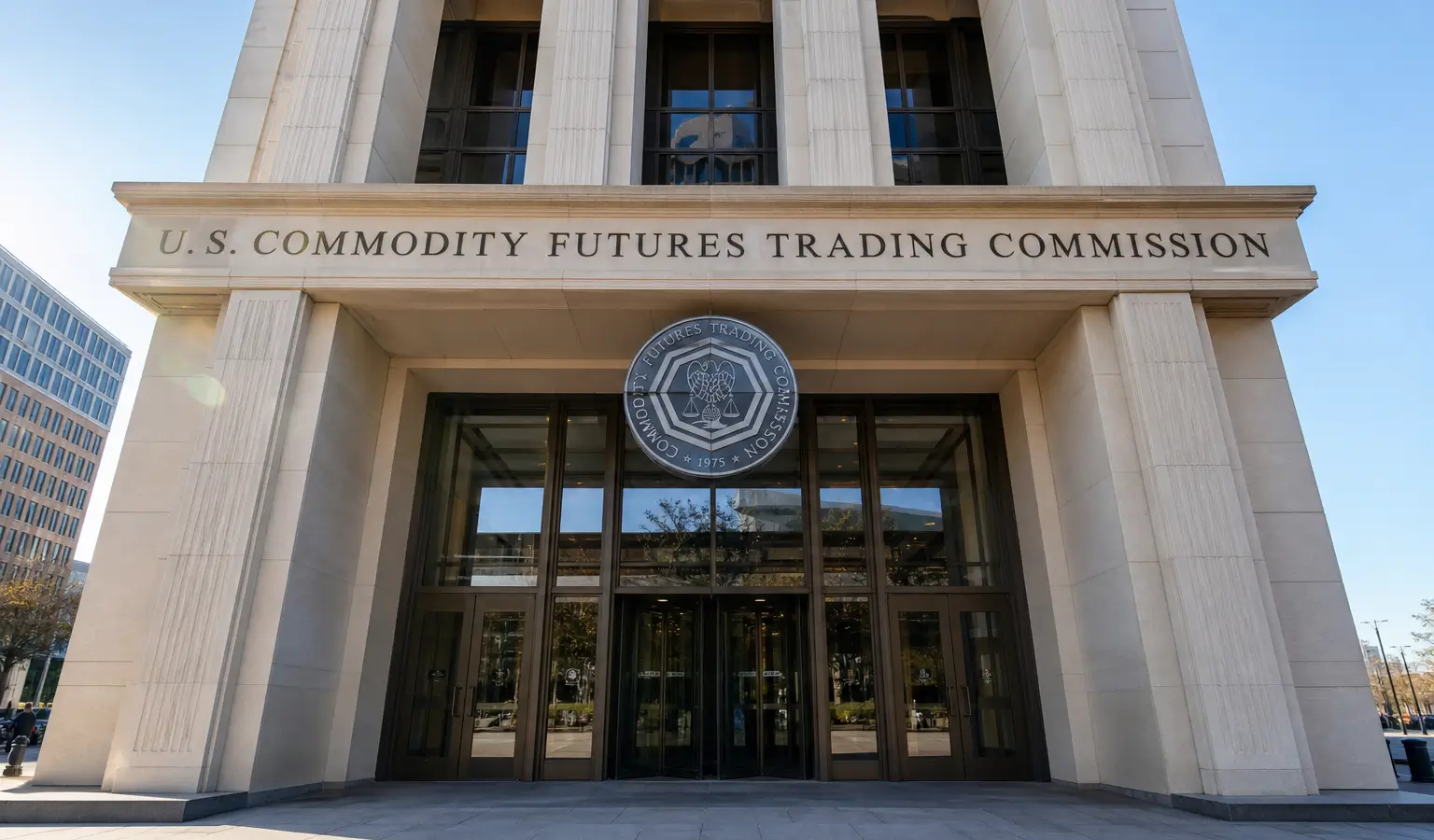
The U.S. Commodity Futures Trading Commission (CFTC) said Friday that prediction markets should stop filing broad, generic contracts as though a single template can cover every case. That puts companies like Kalshi, Coinbase, Polymarket, and Crypto.com in the spotlight, since they offer event contracts and, in the CFTC’s view, often push self-certification too far.
Broad Templates Under Fire
The regulator said several designated contract markets are self-certifying event contracts as if they were broad templates, without fully working through the terms, the underlying commodity, and compliance for each version. The CFTC was blunt, saying “broad, template-style certifications should not be submitted,” and noted that this is the second time in a few months it has had to issue that warning.
The problem is mostly procedural, but it has real consequences. If a firm does not provide enough information, explanation, and analysis for each contract variation, the regulator has a harder time deciding whether the settlement method, the data sources, and compliance with the core principles all check out. That adds pressure to a market that is growing quickly but still trying to balance product innovation with oversight.
More Pressure on Prediction Markets
The warning fits into a broader pattern of the CFTC taking a more aggressive stance on prediction markets. The regulator has also sued states including Arizona, Connecticut, and Illinois in an effort to block them from adding extra rules for CFTC-registered exchanges.
For European crypto readers, that matters because prediction markets are increasingly overlapping with the wider crypto industry, both in terms of users and platforms. Kalshi is also expanding its product lineup, including through a partnership with Coinbase for U.S. customers, which is making the line between crypto exchanges and event-based trading even less clear. The legal fight around Kalshi also shows how heated the debate over oversight and state involvement has become.
Compliance Still Matters Most
The CFTC has already raised concerns about the misuse of nonpublic information and fraud in prediction markets. This latest advisory makes clear that the regulator is not only focused on market abuse, but also on how products are filed and reviewed before they ever go live.
For crypto companies working with event contracts, the message is that compliance and documentation are not optional extras. Especially for products that can scale fast, the regulator says a too-generic approach can run into trouble quickly.