Chainlink Teams Up With 47 Banks to Speed Up Cross-Border Payments
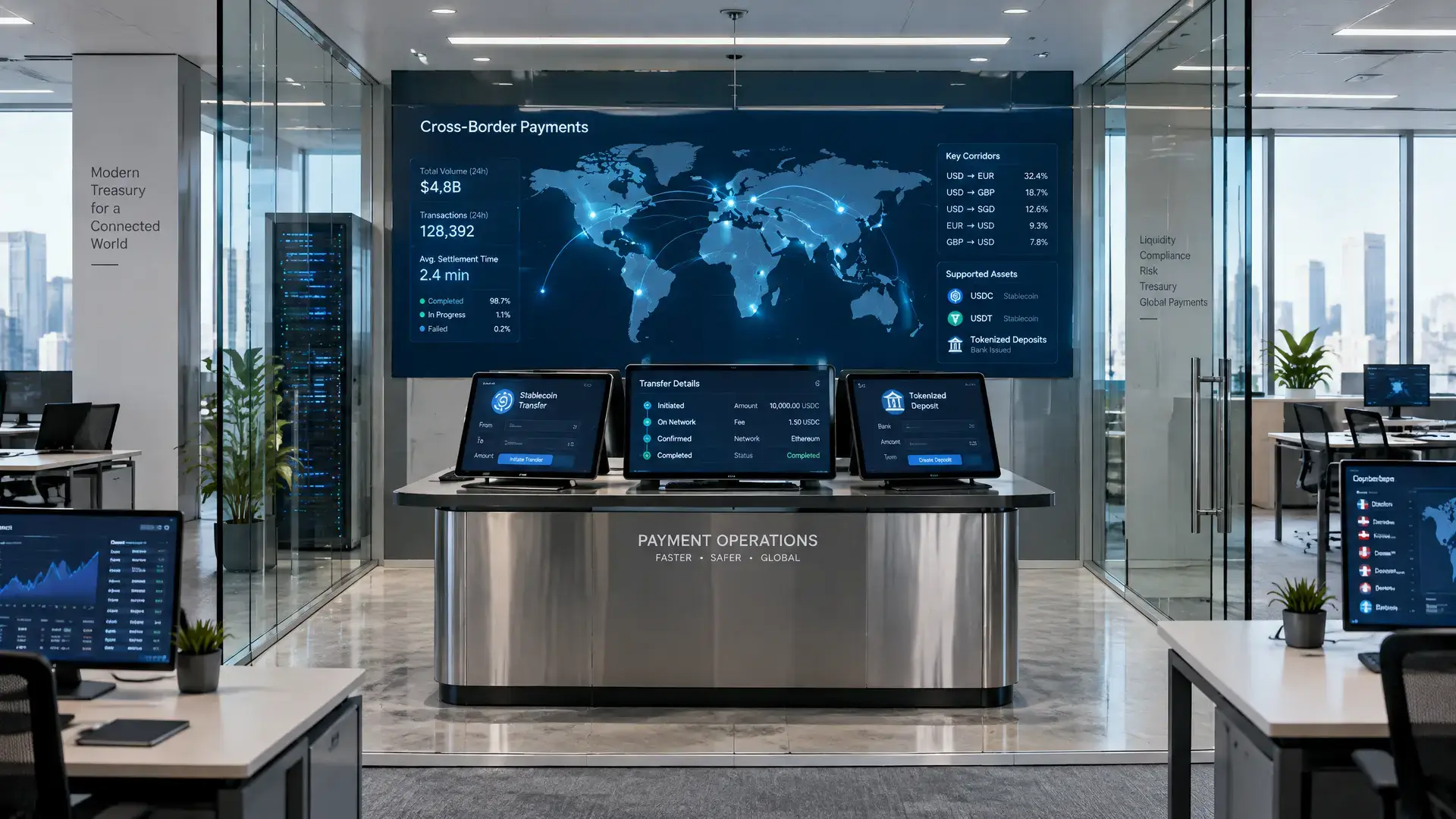
Project Pangea is meant to make payments between Europe and South Korea almost real-time. To do that, Chainlink is connecting banks to blockchain without replacing their existing systems.

Key Takeaways
- Chainlink is working with 47 banks from Europe and South Korea on Project Pangea to speed up cross-border stablecoin payments.
- The project aims to settle foreign exchange transactions between Europe and South Korea in almost real time within a year, compared with the current two-day processing time.
- Project Pangea uses existing Swift and ISO 20022 systems and supports KYC and AML compliance through Chainlink infrastructure.
Chainlink has teamed up with a group of 47 banks from Europe and South Korea to make cross-border payments with stablecoins much faster. Under the name Project Pangea, the parties want foreign exchange trading between Europe and South Korea to happen in almost real time within a year, instead of the current two-day processing time.
Project Pangea and the Europe-South Korea Trade Corridor
The coalition includes Qivalis, a consortium of 37 European banks focused on euro stablecoins, and UniKA, a South Korean alliance of more than ten commercial banks. Together, these banks manage more than $10 trillion in assets. The project focuses on a trade corridor that handles more than $150 billion in goods and services each year, making it one of the largest in the world.
By using stablecoins tied to the euro and the South Korean won, Project Pangea wants to handle foreign exchange transactions through so-called atomic payment-versus-payment (PvP) transactions. In these transactions, both sides of the trade are completed at the same time, which reduces counterparty and settlement risk.
Tech Integration With Existing Systems
Instead of forcing banks to replace their existing systems or use cryptocurrency themselves, Project Pangea acts as middleware that translates traditional payment instructions through the Swift network into blockchain-based transactions on the independent Pangea L1 network. This makes it possible to work with current Swift and ISO 20022 standards, so banks can connect to blockchain-driven settlement without major changes.
Chainlink provides the infrastructure that makes this translation and settlement possible. That includes helping different blockchain platforms work together and supporting compliance with rules like Know Your Customer (KYC) and Anti-Money Laundering (AML). This helps the system meet financial industry requirements while keeping transactions transparent and secure.
Impact on International Trade and Liquidity
By cutting settlement time from days to almost real time, the participating institutions expect to lower liquidity costs and reduce the risk of payment delays. That speeds up access to funds that would otherwise be tied up in long cross-border transactions, which can be especially helpful for businesses.
Chainlink says the project is not a direct competitor to existing efforts like Ripple, but instead a technology partner that wants to strengthen and expand existing networks. The initiative shows a growing trend of using blockchain technology to make traditional financial processes more efficient without fully replacing them.
This development could also matter for European crypto readers, since it shows how blockchain and stablecoins are becoming more integrated into the mainstream financial system. The project shows that cooperation between traditional banks and blockchain companies can lead to practical uses that modernize and speed up international trade and payments. The focus on compliance lines up with broader discussions about customer identification and anti-money laundering rules for stablecoins, which are becoming more important in multiple markets.