U.S. Senate Bans Federal Reserve CBDC Issuance Until 2030 in Housing Bill
The Senate ties housing policy to a Federal Reserve CBDC ban through 2030. What does that mean for U.S. digital dollar plans?

Key Takeaways
- The U.S. Senate passed the 21st Century ROAD to Housing Act by an 85 to 5 vote and sent the bill to the House of Representatives.
- The law bars the Federal Reserve and regional Fed banks from issuing or creating a CBDC until December 31, 2030, including highly similar digital assets.
- Open, permissionless, and private digital dollar assets, such as stablecoins, are excluded from the ban and must preserve the privacy of cash.
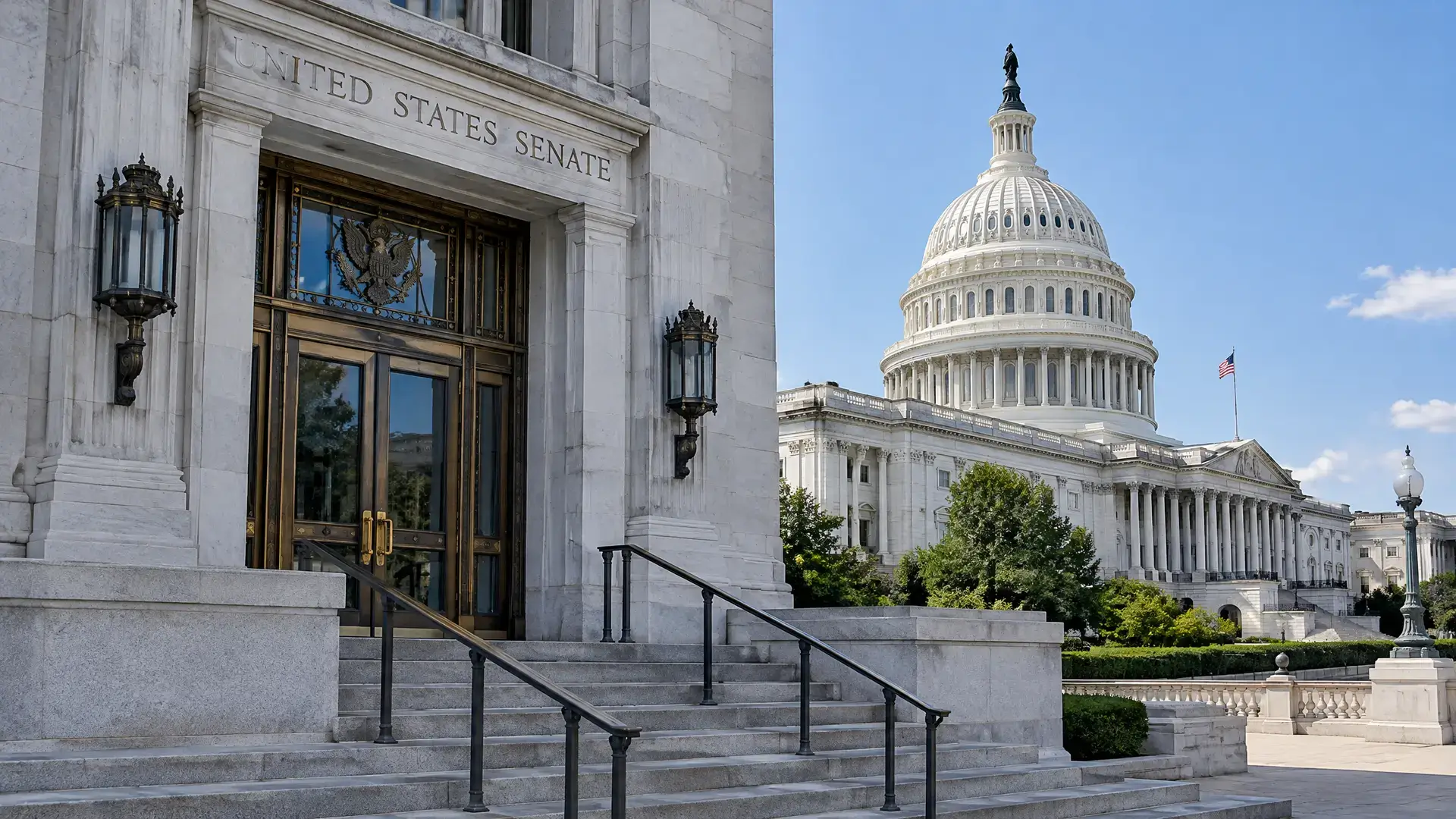
The U.S. Senate overwhelmingly approved the 21st Century ROAD to Housing Act, a broad housing bill that also includes a ban on the Federal Reserve issuing a central bank digital currency (CBDC) through the end of 2030. The H.R. 6644 bill passed by a vote of 85 to 5 and was sent to the House of Representatives for further consideration.
CBDC Ban in Housing Bill
The law includes a specific provision that bars the Federal Reserve Board and the regional Federal Reserve Banks from issuing or creating a CBDC. The ban also applies to digital assets that are highly similar to one, whether they are issued directly or through an intermediary. Under the law, a CBDC is defined as a dollar-denominated asset that is a direct liability of the Federal Reserve and is broadly available to the public.
The ban runs through December 31, 2030, but it excludes digital dollar assets that are open, permissionless, and private, which exempts stablecoins. The law explicitly says these exceptions must fully preserve the privacy protections of physical U.S. coins and bills.
Housing Policy and Crypto Policy Combined
While the bill is mainly aimed at improving housing affordability and limiting institutional investment in single-family homes, the CBDC ban was added at the request of Republican members of the House of Representatives. This mix of housing and crypto-related measures shows how lawmakers sometimes bundle different policy goals together to improve the odds of passage.
The 21st Century ROAD to Housing Act includes a total of fifty initiatives meant to expand housing supply and lower costs for households. The law builds on earlier measures, including an earlier Senate move against a digital dollar that also blocked the creation of a CBDC in the U.S.
Why It Matters for the European Crypto Market
Even though the bill is specifically focused on the U.S. housing market and financial regulation, the ban on a Federal Reserve-issued CBDC through 2030 could also matter for European crypto investors and policymakers. It highlights how cautious major economies are about central bank digital currencies and underscores the importance of privacy and the role of stablecoins in today’s financial landscape. European regulators are watching these developments closely, since they could affect international standards and market adoption.