China Shuts Hundreds of Banks, Bitcoin Investors Watch Closely
Fitch sees the most pressure on small regional banks, while earlier bank stress in China and the U.S. often affected sentiment around Bitcoin.
Key Takeaways
- China removed 670 banks from its latest annual figures, mostly because larger institutions acquired them.
- Small regional banks remain the weakest link, with bad loans at 2.8% versus 1.5% for the banking system as a whole.
- Bank stress can affect Bitcoin sentiment, but direct crypto exposure in China is limited by the 2021 trading ban.
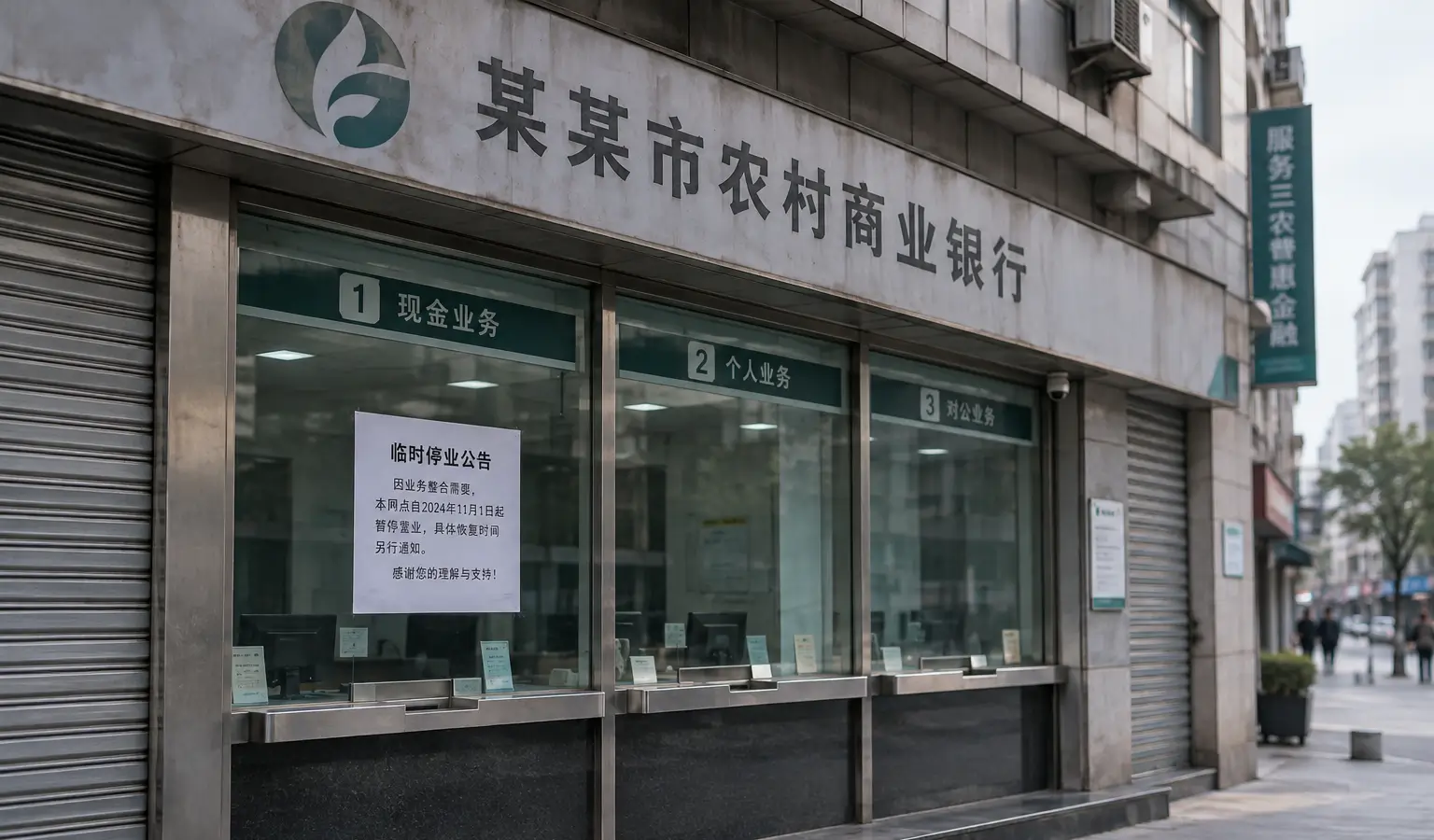
China is quickly clearing out weak banks. In the latest annual figures, 670 disappeared, mostly because smaller institutions were absorbed by larger banks. According to Fitch Ratings, 3,139 are still left, down 23% in four years.
Weak Regional Banks
Most of the closed banks were small rural lenders. Fitch sees that group as the weakest link in China’s banking system. Their bad loans rose to 2.8% in the first half of the year, compared with 1.5% for all banks combined.
A big chunk of those loans went to property developers and to off-budget vehicles that Chinese cities use to borrow money for roads and housing. That fits into a broader weakening of the economy. Growth fell to 4.3% in the second quarter, the lowest level since 2022, and new yuan loans even declined in April and July.
Why Bitcoin Investors Are Paying Attention
Bank problems rarely stay fully local. When Silicon Valley Bank collapsed in 2023, First Republic shares plunged more than 60% in a single day, while Bitcoin rose as much as 10% over the same period. Earlier bank stress in China also more often lined up with higher Bitcoin prices in the following week.
That does not mean the situation in China will have the exact same effect right away. Crypto has little direct exposure this time, because China already imposed a crypto trading ban in 2021 and banks there are no longer allowed to process crypto transactions. Fitch also expects the problems to stay mostly with small local banks, since they have little exposure to one another.
More Consolidation Ahead
Still, the cleanup does not look finished yet. In July, authorities in Wuhan took control of Z-Bank, a bank with about 124 billion yuan in assets. That was the first takeover of this kind since Baoshang Bank in 2019.
Moody’s also expects more mergers, because regulators want to deal with risks at smaller and weaker regional institutions. For European crypto followers, the key point is that bank stress in major economies can sometimes quickly spill over into sentiment around Bitcoin, even when the direct link to crypto is limited.
Dollar strength can also play a role, because a stronger dollar and higher interest rates often add extra pressure on risky assets like Bitcoin.