

Circle and DBS Launch 24/7 USDC Minting in Asia
DBS is making it possible for institutional clients to mint and redeem USDC directly through the bank. The move fits into the rise of tokenized deposits and stablecoin rails in Asia.
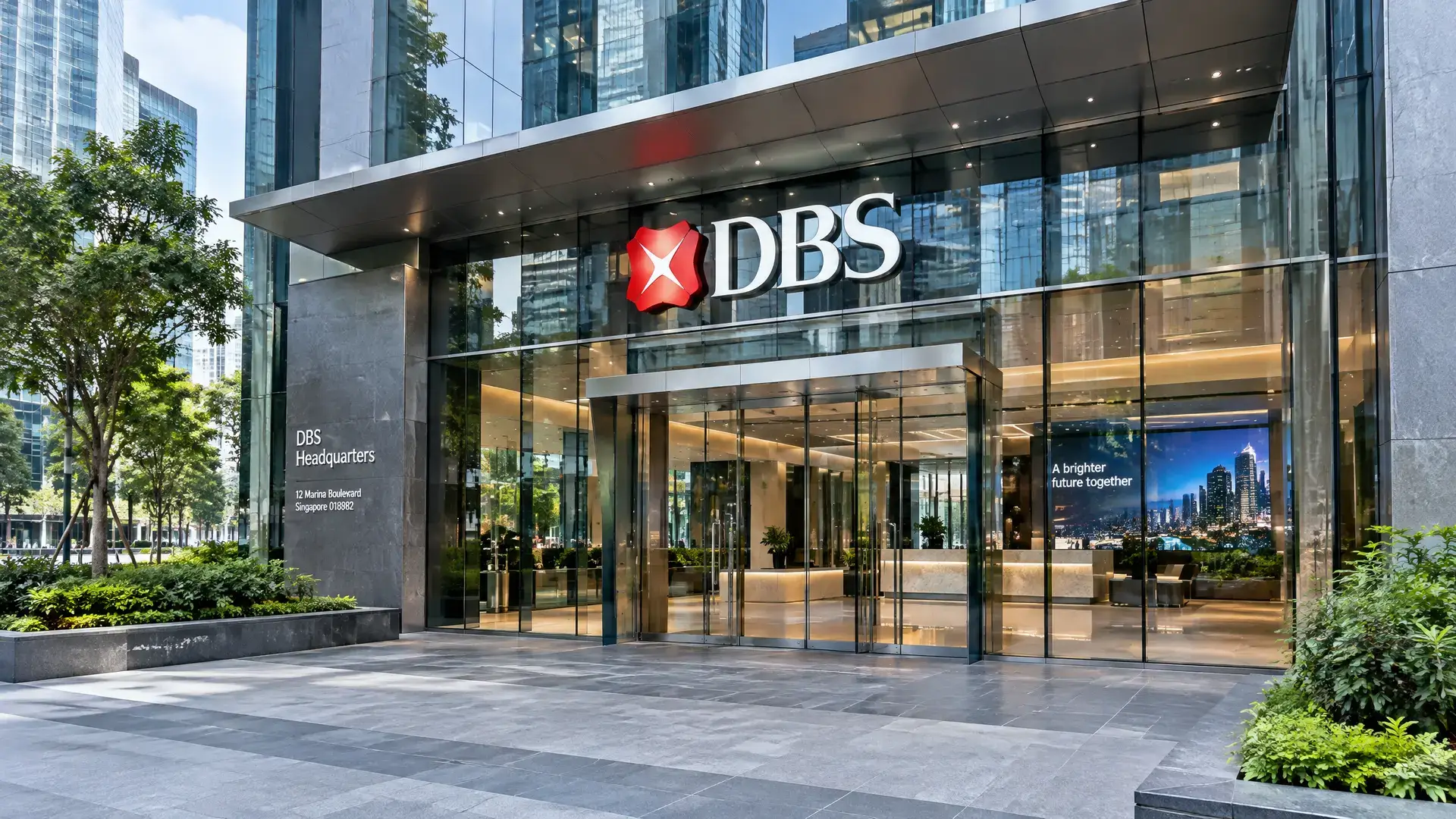
Key Takeaways
- Circle and DBS are making it possible for institutional clients to mint and redeem USDC directly through the bank, with near-instant settlement.
- The partnership fits into a broader Asian trend in which banks are building their own infrastructure for tokenized deposits and digital payments.
- The development is also relevant for Europe, where banks are developing similar infrastructure around stablecoins and tokenized deposits.
Circle is expanding its reach in Asia through DBS, Southeast Asia's largest bank. Institutional clients can now mint USDC directly through the bank and redeem it, with near-instant settlement between U.S. dollars and USDC, day and night. That makes it clear how banks can become both a distributor and a competitor to stablecoin issuers at the same time.
Bank and Stablecoin Get Closer
According to the two companies, business clients no longer have to buy USDC only through exchanges or other secondary markets. That matters because liquidity and prices can differ there. For Circle, this opens up an extra route to institutional payments in Asia, where banks are increasingly building their own infrastructure for digital money.
Joseph Goh of advisory firm Areta said the deal is mainly aimed at a different type of customer: the institution that wants a bank in the chain first before holding a stablecoin. He added that banks would rather have clients hold tokenized deposits, because that keeps the money on the balance sheet.
Banks Build Their Own Rails
The announcement fits into a broader move in Asia. The Hong Kong Monetary Authority and Swift are exploring how their blockchain payment infrastructure can be linked, together with HSBC, Standard Chartered and Bank of China (Hong Kong), to test international transfers with tokenized bank deposits. DBS itself is also working on both tracks at the same time and is connecting its network for tokenized deposits to JPMorgan's, so customers can move tokenized U.S. dollars between Singapore and the U.S., even on weekends.
DBS also said that its own research found 88% of large companies in its survey already use or are testing tokenized money, while more than three in five have already adopted stablecoins or plan to do so. The survey covered 422 business and financial leaders across 11 markets.
Why This Matters for Europe
The development is not only relevant for Asia. Banks in Europe are also working on similar infrastructure, including through partnerships around euro-pegged stablecoins and tokenized deposits. That could suggest that traditional banks and stablecoin issuers will increasingly operate alongside each other in the same payment flows, rather than fully replacing one another. Pressure is also growing in Europe for banks to redefine their role in payments, now that major banks are launching stablecoin initiatives to defend their position in the payments system.