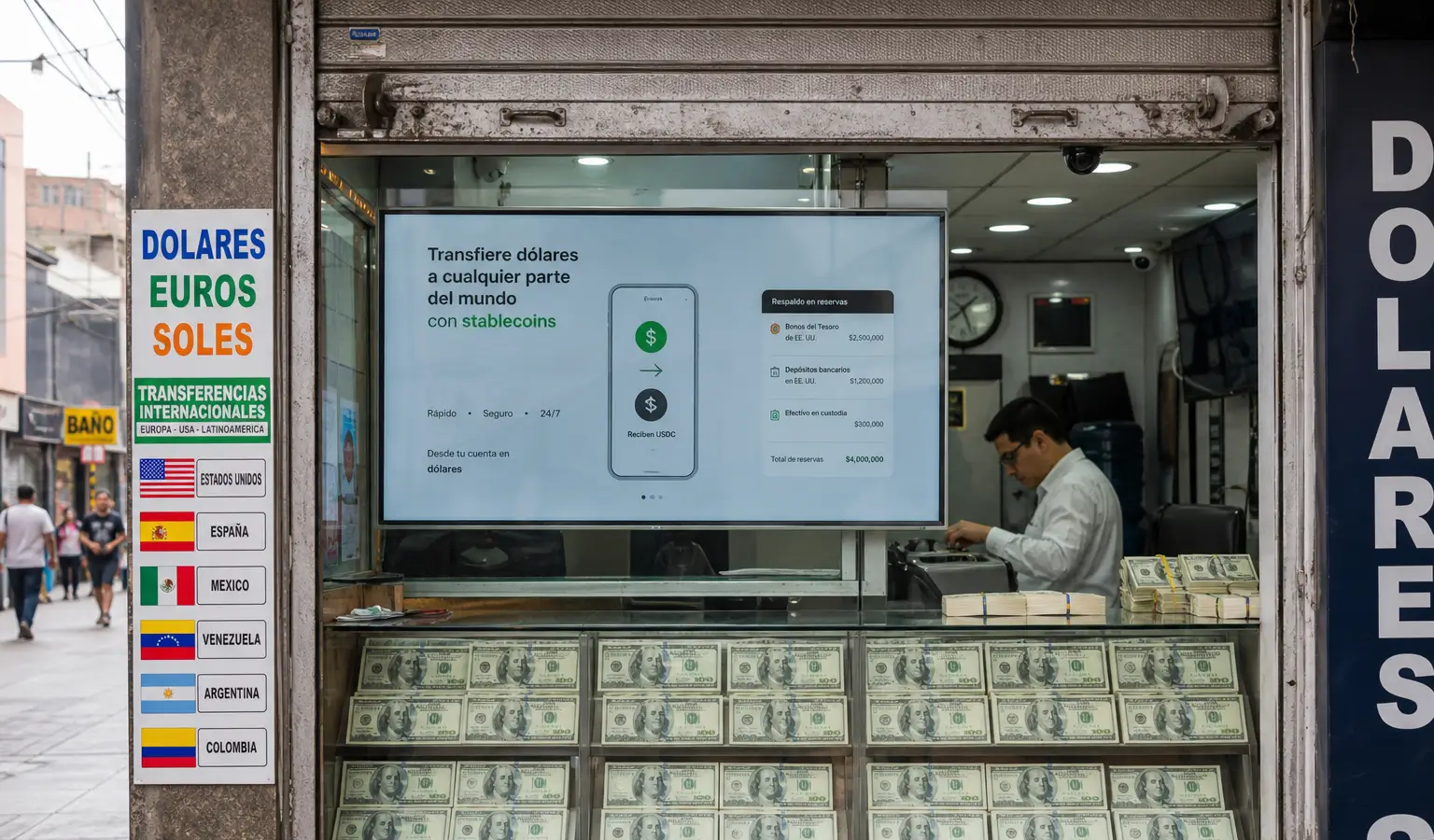
Banks Chase Stablecoins as Regulation and Demand Grow
Banks in the U.S. and Europe are preparing their own tokens as the GENIUS Act and MiCA bring more clarity. Meanwhile, stablecoins are growing into a payment rail for B2B and cross-border payments.

Key Takeaways
- Stablecoins are growing from trading liquidity into a payment method for cross-border payments and business settlement.
- 21 financial institutions want to set up a stablecoin company in 2026 and launch a dollar token in 2027, followed by a euro version.
- Regulation through the GENIUS Act and MiCA is pulling stablecoins further into the financial system and increasing the role of banks.
Banks are looking at stablecoins very differently in 2026. For years, these tokens mostly circulated on crypto exchanges as trading liquidity, but now they are becoming a payment method for cross-border payments and business settlement. That shift is putting pressure on the traditional banking sector to get involved too.
From Trading Tool to Payment Rail
The total stablecoin supply has risen from $27 billion (€23.5 billion) at the end of 2020 to more than $300 billion (€261 billion) now. According to Artemis Analytics, cross-border flows to the U.S. alone now reach nearly $127 billion (€111 billion) per month, while companies settled $226 billion (€197 billion) in B2B payments in stablecoins last year. That shows stablecoins are no longer just a middle step for traders, but are also being used more and more behind the scenes in payments.
That trend has gotten banks' attention. In the U.S., 21 financial institutions, including Bank of America, Citi, Goldman Sachs, and Deutsche Bank, agreed on September 1 to set up a new company for a stablecoin in the second half of 2026. The plan is to launch a dollar token in the first half of 2027, followed by a euro version. The group says it wants to comply with the GENIUS Act and MiCA.
Why Banks Are Getting In
The core of the debate is simple: if stablecoins are being used more and more for payments, banks do not want to lose value and customer relationships to crypto companies. Banking lobby groups in Washington have already tried to limit rewards on stablecoin balances, because they say a token with interest looks too much like a deposit. At the same time, big names like Visa, BlackRock, Google, and DoorDash are backing Open USD, a stablecoin that is still set to launch this year.
Experts BeInCrypto spoke with point mainly to regulation and volume. The GENIUS Act has brought more clarity in the U.S. about what a stablecoin is and what an issuer has to do. In Europe, MiCA has provided a similar framework for ARTs and EMTs since 2024, with strict reserve requirements, audits, and transparency. For banks, that makes the move less vague, even if the question remains whether an in-house token really adds anything for customers.
What This Means for Europe
For European crypto users, the main point is that stablecoins are being pulled more and more into the regulated financial system. That could boost adoption, but it also makes it clearer which parties have to hold reserves and what kind of oversight they fall under. The Bank of Spain previously warned that especially dollar stablecoins moving across multiple jurisdictions can create risks for deposit flight and the transmission of monetary policy if rules stay fragmented.
That makes the coming bank tokens more than an internal experiment. If major banks in the U.S. and Europe roll out their own stablecoins, it could change how companies move money between banks, wallets, and payment networks. For the crypto market, it mainly means stablecoins are becoming less of a side story and more of a core part of financial infrastructure.
Pressure is also growing in the U.S. for banks to respond to stablecoin rewards, because lobby groups say they look too much like interest and could pull deposits away. That debate makes it clear why big banks would rather claim a role in the market themselves now.
In Europe, there is also the question of how a euro token would fit into the existing market. Euro stablecoins still lag far behind dollar versions there, although a MiCA framework could narrow that gap over time.