Latin America Is Wrestling With the Real Stablecoin Question
In Latin America, stablecoin policy is less about USDC or USDT than about where the dollar reserves are held. Argentina, Brazil, and Mexico are looking for rules that protect capital flows and monetary sovereignty.
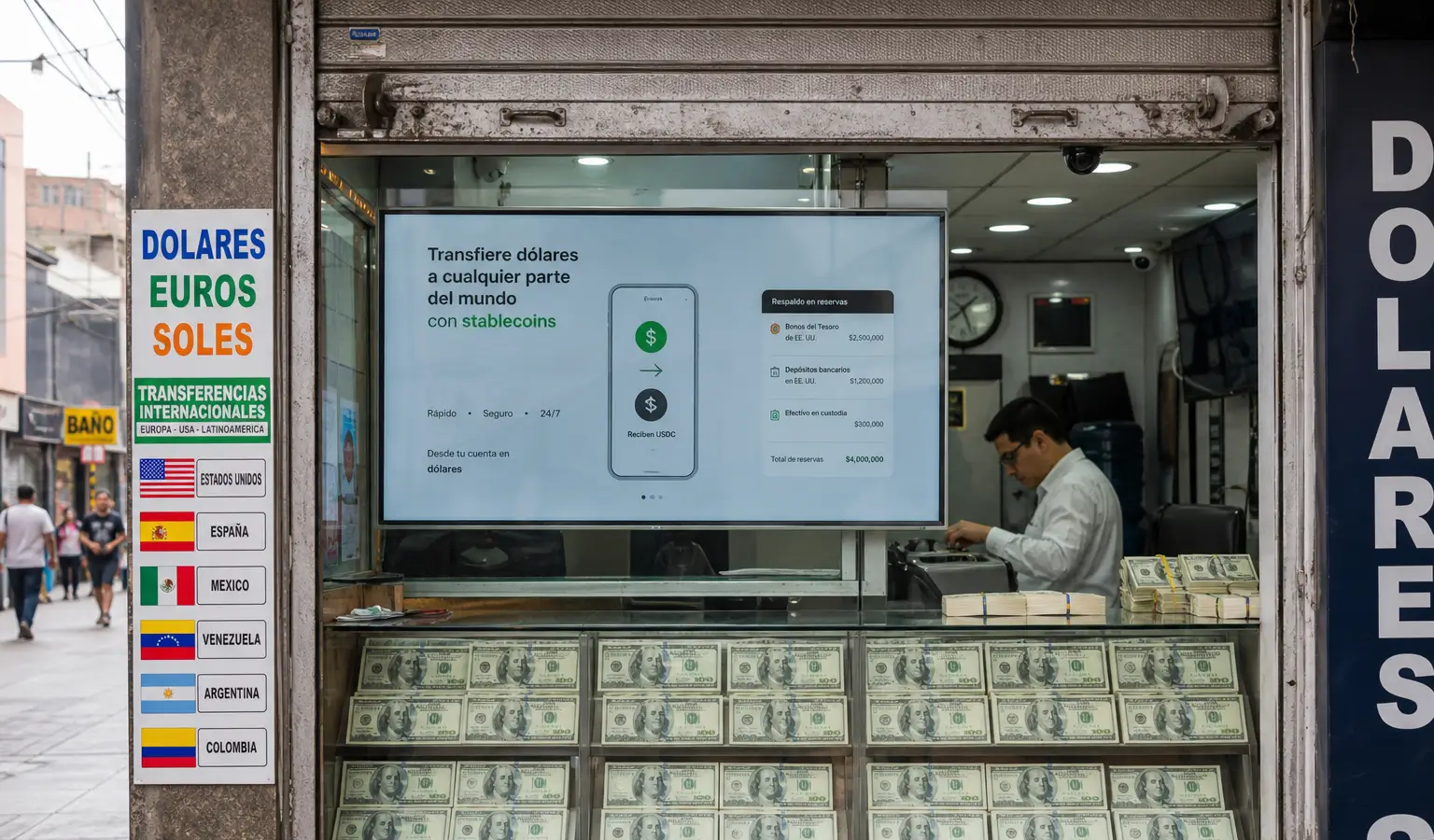
Key Takeaways
- In Latin America, the stablecoin debate is mainly about where the dollar reserves behind tokens are held.
- For users in the region, the dollar peg matters more than which stablecoin wins, as long as the reserve manager stays solvent.
- Argentina, Brazil, and Mexico show that stablecoins are becoming more important for payments, savings, and regulation.
Washington is mainly debating who should be allowed to issue a stablecoin, what should back it, and how it should be supervised. In Latin America, the question is different. There, it is less about the winner between USDC and USDT, and more about where the dollars behind those tokens are actually held.
A Different Question Than in Washington
For users in Buenos Aires, Bogota, or Mexico City, it often does not matter much which dollar token wins, as long as the peg to the dollar holds and the party managing the reserves stays solvent. That is a big difference from the American debate, where the Federal Reserve and the OCC are mainly looking at who gets to make that promise and under what rules.
So the region is trying to solve a different problem: access to a currency that local governments do not issue themselves. That makes dollar-pegged stablecoins not just a crypto product, but also a practical payment and savings tool in economies where hard currency remains scarce.
Reserves Outside the Border
The core question is therefore where the backing for those dollars should be held. A dollar in a reserve account in New York does not work any differently on a user's screen than a dollar in Buenos Aires or Sao Paulo, but for regulators that difference is huge. Money held offshore is less directly available to the local financial system if pressure builds.
That tension is already visible in the region. Argentina remains the region's most dollarized crypto market based on trading volume, while in Brazil institutional stablecoin volume rose from 5% of local crypto flows in 2024 to 84% in 2025, according to the provided figures. In Mexico, there is also a bill on the table to regulate peso-pegged stablecoins.
The Bank for International Settlements previously warned that broad adoption of dollar-pegged stablecoins could undermine capital controls and weaken monetary sovereignty in emerging markets. The IMF has also called for a coordinated international approach, specifically to preserve financial stability while still leaving room for innovation.
Why This Also Matters for Europe
For European crypto readers, this debate shows how differently stablecoin rules can play out by region. In Latin America, it is not only about oversight of the issuer, but also about whether reserves should be held locally, offshore, or in a mixed model. That makes stablecoin regulation there more directly tied to bank flows, remittances, and policy room than in many other markets.
The region is meanwhile looking for its own frameworks to fit stablecoins into the financial system. That could matter for European regulators and crypto companies watching how dollar token use develops outside the U.S., especially as demand for fast and cheap cross-border payments keeps growing in multiple markets.