Circle Wins New York Trust Charter for USDC Services
The license gives Circle room to offer custody and asset management services around USDC, alongside the national trust bank structure it already secured. That fits New York's tougher approach to stablecoins and institutional crypto services.
Key Takeaways
- Circle has received a limited purpose trust charter from the New York Department of Financial Services for fiduciary, custody, and asset management services.
- Earlier this month, Circle also got approval from the OCC to set up a national trust bank for custody and fiduciary services.
- USDC has a market cap of more than $71.8 billion, while Circle is positioning itself more and more firmly within U.S. banking frameworks.
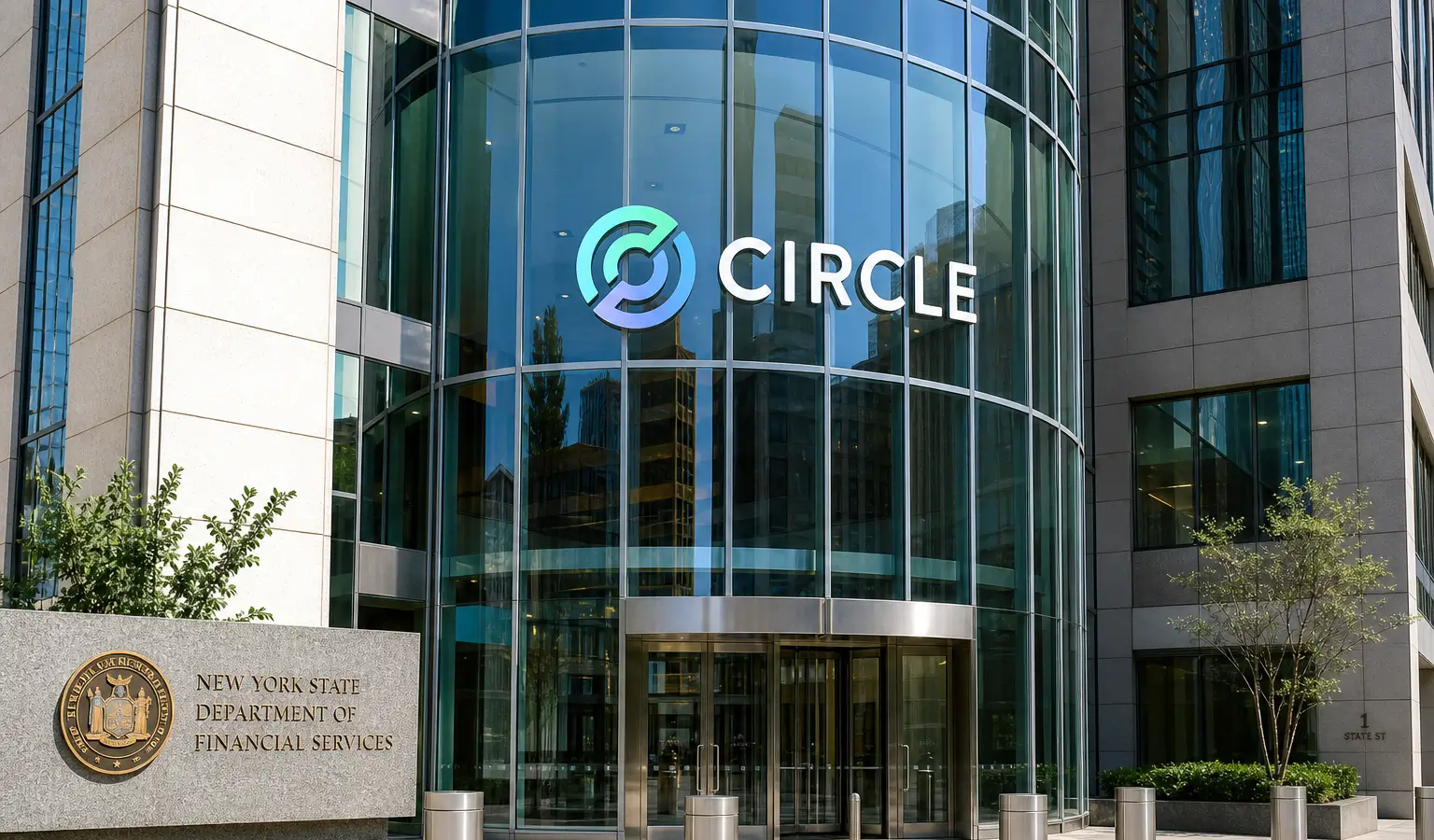
Circle has secured a limited purpose trust charter from the New York Department of Financial Services, giving the USDC issuer the ability to provide fiduciary, custody, and asset management services under New York banking law. It is the latest move in the company’s push to deepen its regulatory footprint in the U.S.
A New Step in New York
For Circle, this is more than a routine approval. CEO Jeremy Allaire has said for years that a New York trust charter was a key objective, largely because it brings clearer rules and a more defined operating framework. For a company behind USDC, that clarity matters because stablecoin issuers are increasingly evaluated not just on how widely their tokens circulate, but also on how they handle custody and asset management.
Circle also received approval earlier this month from the U.S. Office of the Comptroller of the Currency to launch a national trust bank. That setup can handle custody and fiduciary services, but unlike a traditional commercial bank, it cannot take consumer deposits or issue loans. At the time, Circle said the structure would improve oversight of the USDC Reserve and open the door for institutional clients to access digital asset custody and related services.
What This Means for USDC
USDC now has a market cap of more than $71.8 billion (€62.6 billion), which keeps it among the largest stablecoins in crypto. With both a national trust bank and a New York trust charter in place, Circle is making a clear effort to fit its business more squarely inside existing U.S. banking rules.
That is also relevant for European crypto readers, since the U.S. approach to stablecoins often serves as a reference point for broader regulation. For companies that deal with custody, reserves, or institutional services, a licensing setup like this can offer a good look at what regulators expect around transparency and asset management.
Circle Joins Other Well-Known Crypto Firms
Circle is not the only company to get this kind of approval. Coinbase, MoonPay, BitGo, and Paxos have also previously received a limited purpose trust charter from the NYDFS. That places Circle within a wider trend in which New York is creating space for regulated crypto services while keeping a tighter grip on custody and management.
The company was also the first to receive a BitLicense from the NYDFS nearly six years ago. That longer track record with the regulator suggests Circle has been leaning into formal compliance for some time rather than taking a looser approach to the U.S. market.