Circle Says Stablecoins Are Becoming Digital Cash
Circle CEO Jeremy Allaire says stablecoins are evolving into payment infrastructure as the U.S. adds more clarity with the GENIUS Act and a bank charter for First National Digital Currency Bank.
Key Takeaways
- Circle CEO Jeremy Allaire says stablecoins are moving from a trading tool to digital cash for banks, companies, and payment networks.
- Circle received a U.S. bank charter for First National Digital Currency Bank after an earlier application and preliminary approval.
- The GENIUS Act creates a federal stablecoin framework with full reserves and monthly disclosures, which strengthens Circle’s position as infrastructure.
Stablecoins are clearly taking on a new role, according to Circle CEO Jeremy Allaire. What began as a tool mainly used by crypto traders is now, in his view, becoming digital cash that banks, companies, and payment networks can use behind the scenes.
From Trading Tool to Payment Rail
In an interview with CNBC, Allaire said stablecoins first took hold in the crypto exchange world, but they are no longer confined to it. He said the market is shifting toward payments, and stablecoins are also moving into capital markets, where larger financial players are beginning to adopt them.
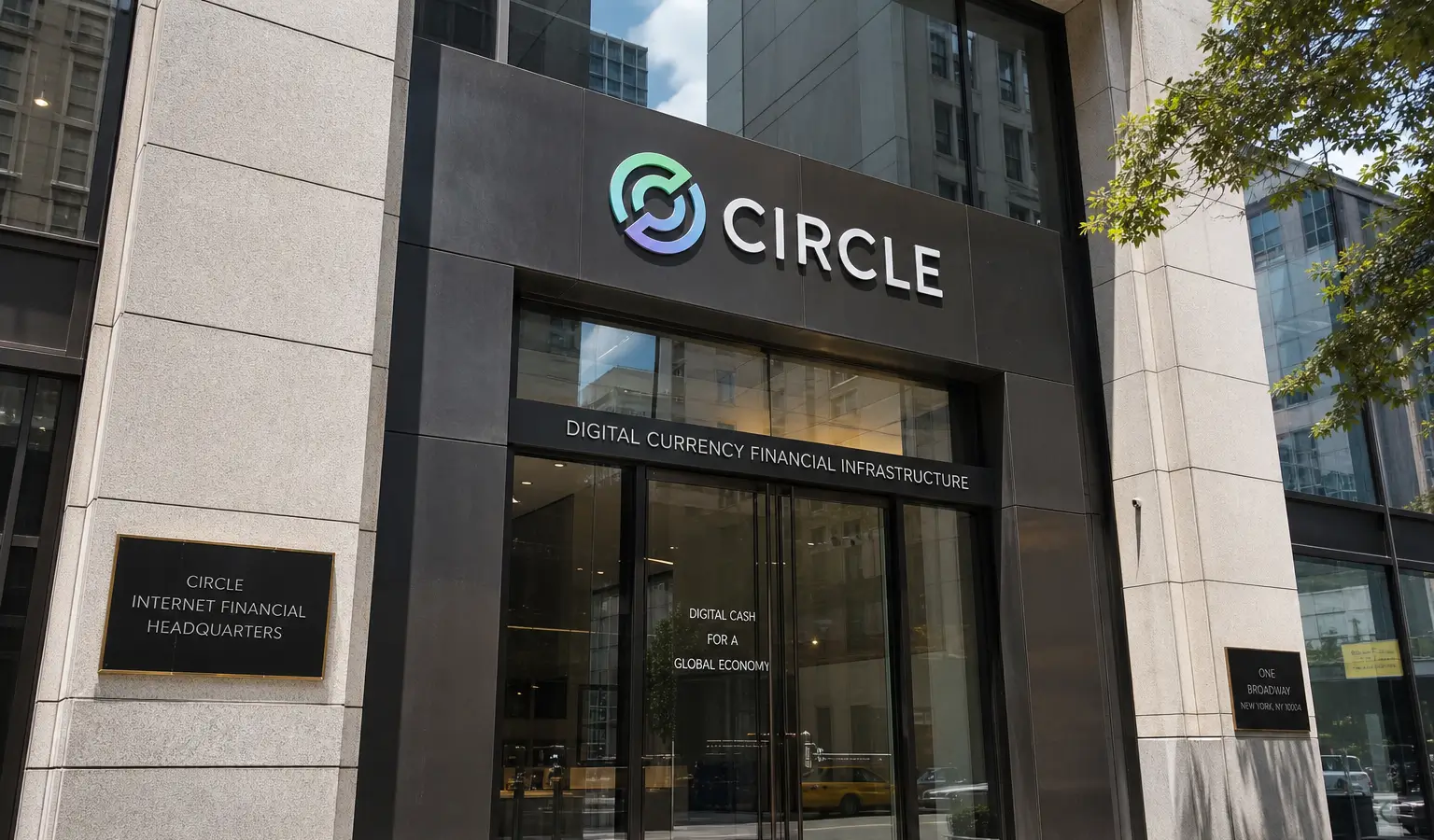
Circle’s own recent move fits that narrative. The company received a U.S. bank charter after submitting an application to the OCC in June 2025, getting preliminary approval in December, and then receiving the final green light on July 10 for First National Digital Currency Bank. Allaire said it was the first new digital asset bank ever chartered by the OCC.
New Rules Are Setting the Direction
The timing also matters because the U.S. stablecoin law, the GENIUS Act, has now been signed. The law establishes a federal framework for stablecoins in the United States and requires issuers to back them one to one with reserves and disclose those reserves monthly. It takes effect on January 18, 2027, or sooner if regulators finish the implementation rules earlier.
For Circle, that is significant because Tether’s USDT, with a market value of $184 billion (€161 billion), still dominates crypto trading, while Circle’s USDC stands at $73 billion (€63.9 billion). Allaire’s point is that Circle does not have to win on trading volume, but on becoming the infrastructure layer for digital dollar flows. That trend is already showing up across major payment networks, with Visa increasingly using stablecoins as enterprise infrastructure for banks, fintechs, and other companies.
What This Means for Europe
For European crypto readers, the bigger picture is that stablecoins are being framed less as a trading product and more as payment infrastructure. That could shape how regulators, banks, and crypto firms in Europe approach similar products, especially as MiCA develops alongside debates over a digital euro. If major players do start treating stablecoins as digital cash, the line between crypto and traditional payments could become even harder to see.