Are Bitcoin miners coming out of the crisis?
The shares of MARA, RIOT, HUT and Co. have struggled for months with sizeable price declines.

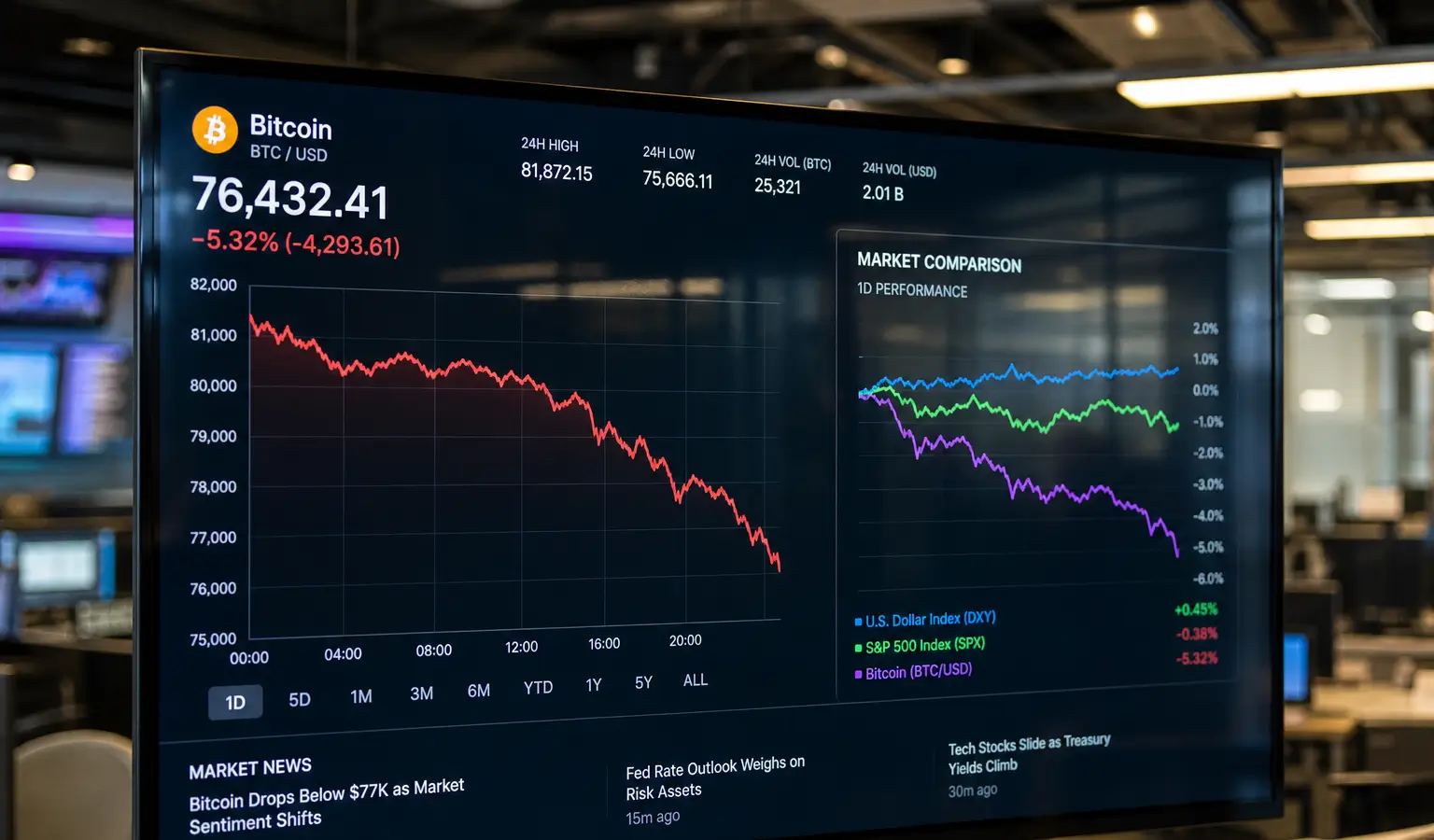
The shares of MARA, RIOT, HUT and Co. have struggled for months with significant price declines. There are many reasons for this. On one hand, the halving, dwindling network activity and the crypto market downturn have sharply reduced Bitcoin miners' revenue. On the other hand, providers face higher costs due to the increased capacity of miners. How might the stock prices of publicly traded miners move, and how are they tackling this issue?
Heavy drawdowns for Bitcoin miners
Marathon Digital Holdings has lost roughly a third of its market capitalization since the start of the year. Riot Platforms’ shares have fallen even more, dropping over half in the same period. Hut 8, by comparison, has seen its stock decline about 29%. Since the highs of this year, the stock prices of these companies have fallen by more than 50%.
Some analysts, such as those at CryptoQuant, currently see a buying opportunity given the hash price development. This indicator tracks Bitcoin mining profitability and is at a historical low. In the past, such a drop has often led to a rising Bitcoin price. That would also help mining firms and support their stock prices. If 2021 highs are revisited in a coming bull market, that could imply nearly a fivefold jump for MARA and a tenfold rise for RIOT.
Acquisitions and the AI wave could lift Bitcoin miners
Consolidation among Bitcoin miners is not out of the question given the pressure from reduced revenue and higher costs. This is evident in the ongoing and escalating clash between Riot and BitFarms that has been brewing since April. The two have been attempting to acquire their rival for months. BitFarms previously acquired Stronghold Digital, an action Riot critics cited. If Bitcoin price weakness persists, more M&A activity could be on the table.
Another path out of the precarious situation is to offer compute capacity for other services. Bitcoin miners could, for example, allocate part of their hash power to AI companies. Core Scientific, the third-largest Bitcoin miner by hash rate, signed a 12-year contract with the AI company CoreWeave for $6.7 billion. The upside is steadier revenue from contracts with AI providers.
This strategy is also reflected in the stock performance of other Bitcoin miners. Since Core Scientific’s re-listing, its stock has nearly doubled. TeraWomb’s stock has risen about 70% since the year began, and it’s also showing strong growth after adopting a similar strategy.
Whether this approach will continue to perform or whether traditional Bitcoin mining with HODLing will prove successful will likely be driven mainly by the price action of the world’s largest cryptocurrency in the months ahead.