

Core Scientific Ends Bitcoin Mining and Turns to AI
Core Scientific is shifting capacity to AI and high-performance computing as Bitcoin hashrate keeps shrinking. The company is following a broader trend among publicly traded miners.
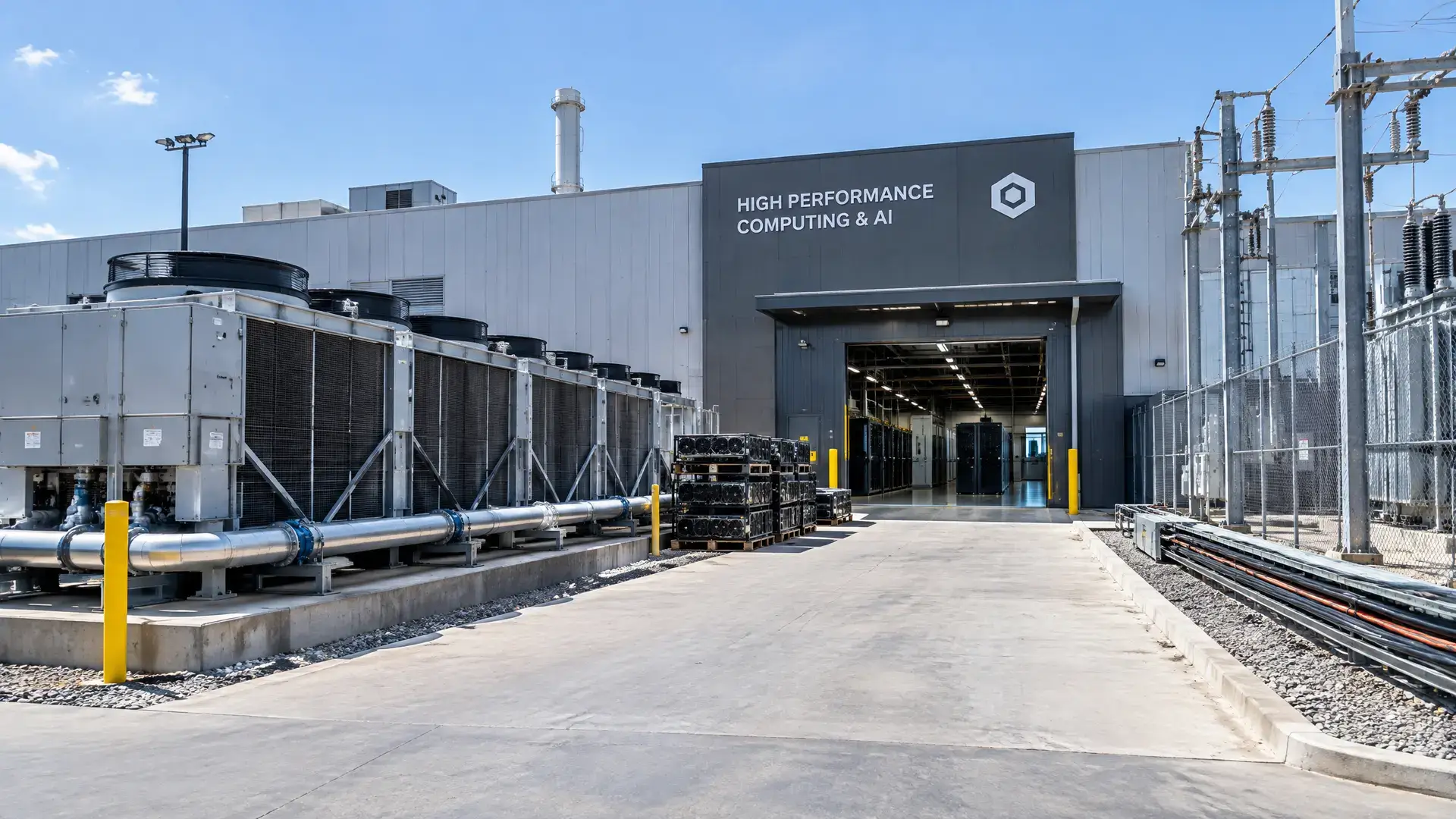
Key Takeaways
- Core Scientific will fully stop Bitcoin mining in the fourth quarter of 2026 and become a pure data center company for AI and high-performance computing in 2027.
- The company expects to finish the transition this quarter; the first delivery under major colocation contracts will start in the first half of 2027.
- Bitcoin mining revenue fell to $12.3 million in the third quarter, more than 79 percent lower than a year earlier.
Core Scientific will fully stop Bitcoin mining in the fourth quarter of 2026 and will continue in 2027 as a pure data center company for AI and high-performance computing. That removes one of the largest publicly traded miners from the self-mining market. The company announced this alongside its third-quarter 2026 results.
Transition Should Be Done This Quarter
The company says the transition should be completed this quarter. CEO Adam Sullivan said during the earnings call that Core Scientific expects to finish its exit from Bitcoin mining before the end of the year. CFO Jim Nygaard added that the company will start in 2027 as a pure provider of high-density colocation for AI workloads.
That shift fits into a broader move among major miners. In 2026, other players, including Bitfarms and IREN, also announced plans to move more capacity into AI and high-performance computing. That is happening while mining returns are under pressure from lower Bitcoin prices and higher network difficulty. The market reaction to miners positioning themselves as AI infrastructure also showed how strongly that shift is now affecting sector valuations.
Less Value From Mining
For Core Scientific, there is not much business value left in self-mining. Bitcoin mining revenue came in at $12.3 million in the third quarter, more than 79 percent lower than a year earlier. The segment ended with a gross loss of $7.5 million. Digital assets on the balance sheet stood at $2.7 million as of September 30, compared with $222 million at the end of 2025.
Nygaard said the machine fleet had shrunk by nearly half since the end of 2025, because power and floor space were shifted to long-term colocation contracts. The company also pointed to a historically low hashprice as one of the factors behind the write-downs. Around November 5, Bitcoin was trading at about $75,948 (€68,000).
Impact on the Network
A major miner exiting takes hashrate out of the Bitcoin network. Core Scientific has not said exactly how much capacity it is leaving behind, but during IREN's earlier reduction, its own hashrate fell from 45.3 EH/s to 8.8 EH/s. Fewer active rigs could lead to a lower network difficulty at the next difficulty adjustment, which could temporarily give remaining miners with older machines slightly more revenue per unit of hashrate.
For European crypto followers, the main takeaway is that this shows how miners are repurposing their existing data centers for steadier income. The move toward AI and HPC can make the sector less dependent on the ups and downs of Bitcoin mining, but it also changes how computing power is distributed across the network. Core Scientific expects to wrap up its wind-down in the fourth quarter, while the first delivery under the major colocation contracts is set to begin in the first half of 2027.