Crypto Is Forcing Wall Street to Think 24/7 About Weekends
Perpetual futures on crypto exchanges are being used more and more to track weekend risk in oil and gold, while CME and the CFTC struggle with 24/7 trading.
Key Takeaways
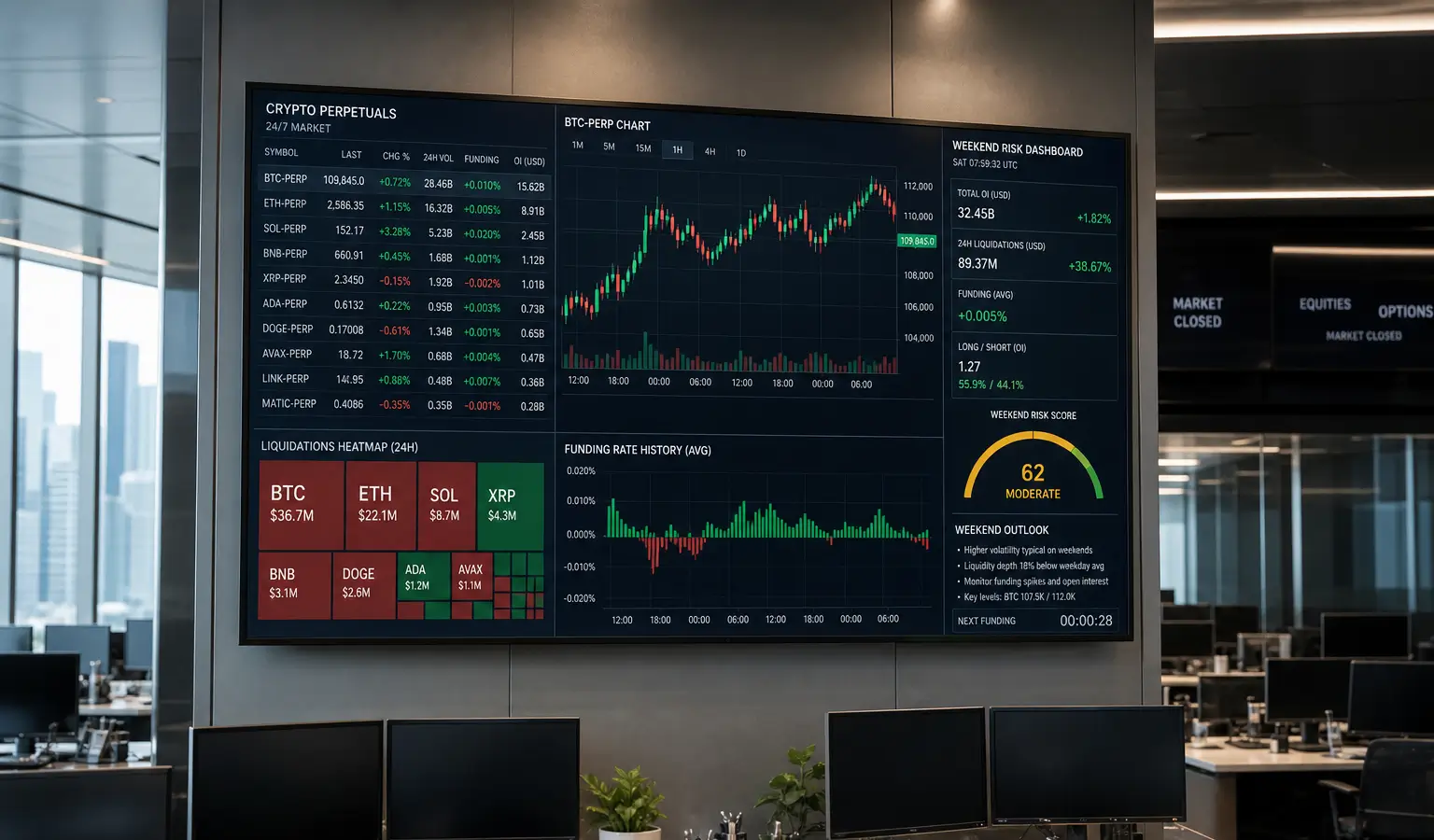
- Crypto derivatives are increasingly shaping how Wall Street prices and hedges weekend risk while traditional markets are closed.
- Perpetual futures on crypto exchanges saw extra weekend activity, with Hyperliquid hitting a record $1.2 billion in open interest on March 8.
- The trend is putting pressure on traditional markets to consider 24/7 infrastructure, even though volumes and institutional participation are still limited for now.
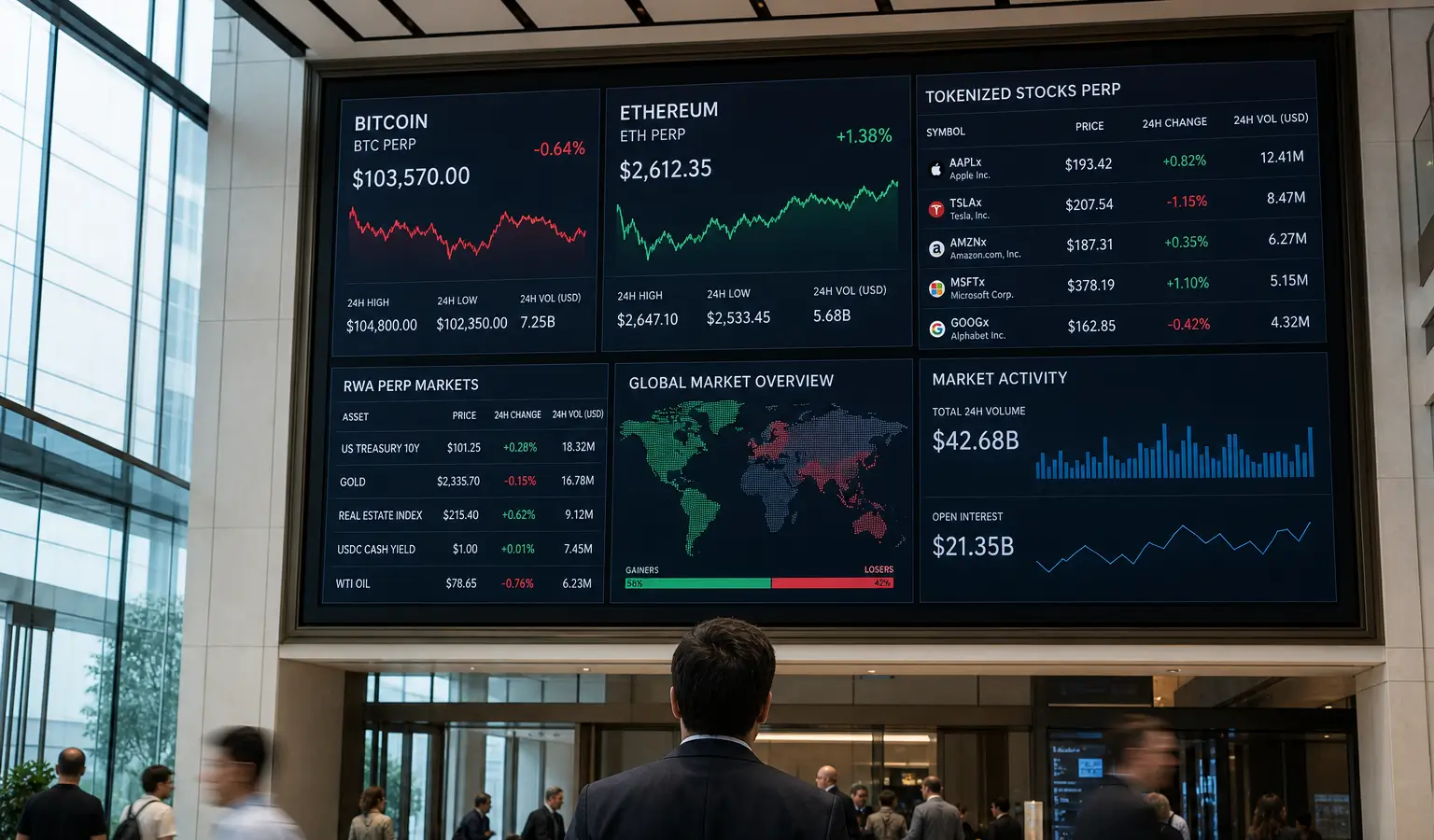
Crypto derivatives are starting to influence how Wall Street thinks about weekends. Instead of simply waiting for markets to reopen on Monday, traders are now using always-on crypto markets to monitor risk and hedge positions while traditional exchanges are offline.
Weekend Risk Is Becoming Tradable
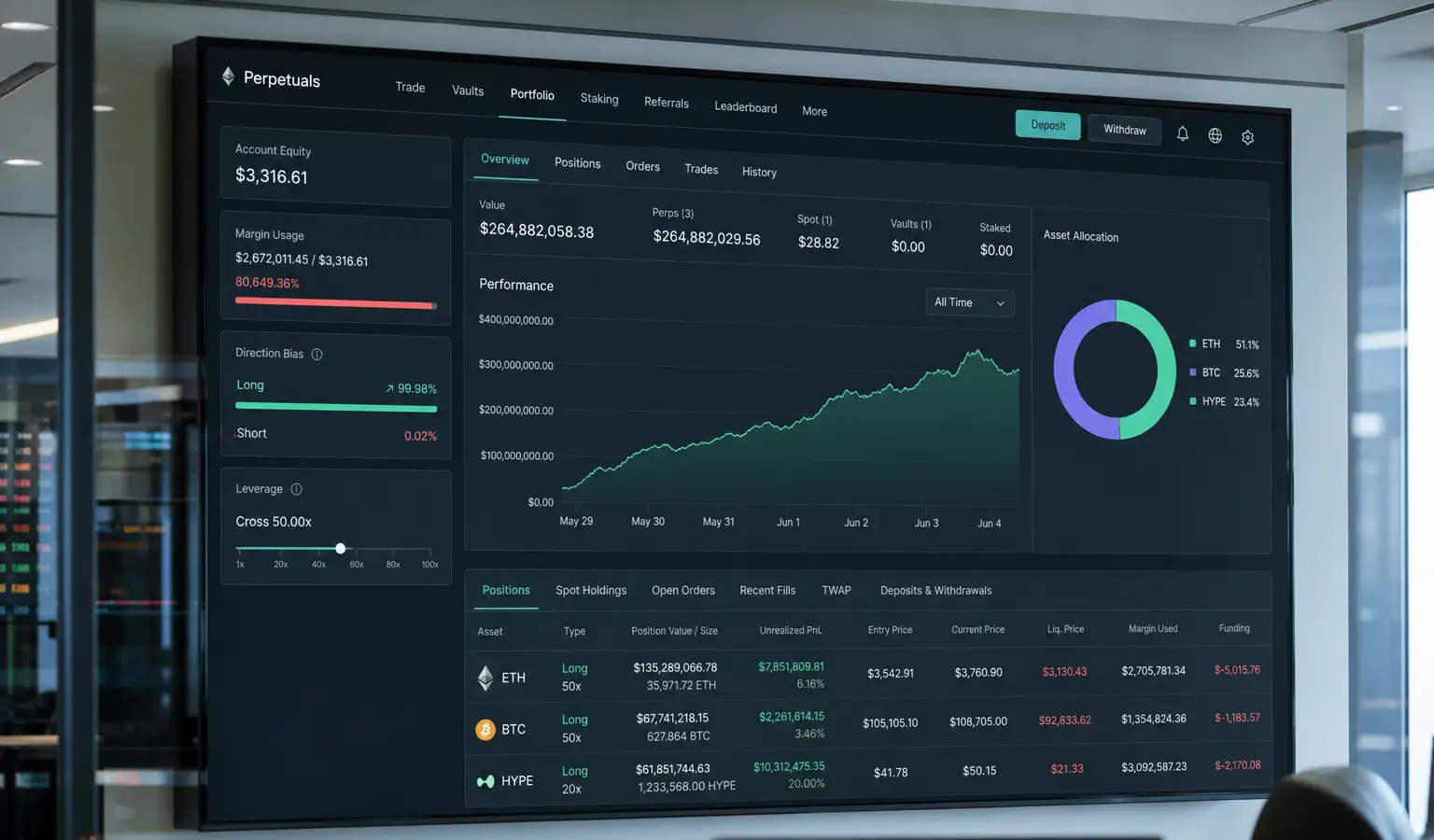
The change has been driven in part by the rise of perpetual futures on crypto exchanges. When tensions between Iran and Israel intensified in March, weekend trading in oil-linked contracts on crypto platforms picked up sharply while the traditional commodities market was shut. On Hyperliquid, open interest reached a record $1.2 billion (€1.1 billion) on March 8, which fell on a Sunday.
Market participants say this looks like more than a one-off burst of activity. Martin Lee of DWF Labs said weekend volume in oil perps on Hyperliquid has been running about 2 to 3 times below weekday levels over the past three months, but it has still climbed roughly 25% since March. For traders, that is changing not only where they place trades, but also how they price geopolitical risk.
TradFi Is Looking for New Infrastructure
The shift is also feeding into the broader debate over 24/7 trading outside crypto. CME Group has said it wants to launch smaller 24/7 contracts for WTI oil and gold, but the CFTC blocked that launch. That highlights a bigger gap between crypto markets, which never really close, and traditional markets, where clearing, settlement, and margin systems still mostly run on office hours.
Traders say the infrastructure question matters just as much as raw volume. Banks and large institutions cannot easily move extra collateral or roll positions on a Saturday, while crypto-native firms, prop shops, and retail traders are already used to doing that through perps. For now, that leaves the market mostly in the hands of players that are already built for nonstop trading.
Why This Matters for Europe
For European crypto readers, the takeaway is that the line between crypto and traditional markets is getting harder to see. If perps are used more often as a pricing and risk signal for oil, gold, or stocks, that could also shape how professional traders in Europe think about weekend liquidity and exposure. It also suggests that 24/7 trading is not just a crypto quirk, but possibly a preview of how broader market structure could evolve.
Crypto as a Price Signal
Perpetuals do more than hedge risk. They also give traders an early read on where a market may open after a news-heavy weekend. Hein Tibosch of Flow Traders said perps are a useful guide for direction before traditional markets reopen. An anonymous trader on the market-making side added that Sunday is less often a complete surprise when it comes to where the market is headed.
Even so, the impact is still limited. By Wall Street standards, the volumes remain relatively small, and major institutional players are still mostly on the sidelines. But the direction is clear: crypto is no longer just moving its own market. It is also starting to reshape how traditional desks think about trading time.