CZ Warns After Data Breaches at Binance and Coinbase
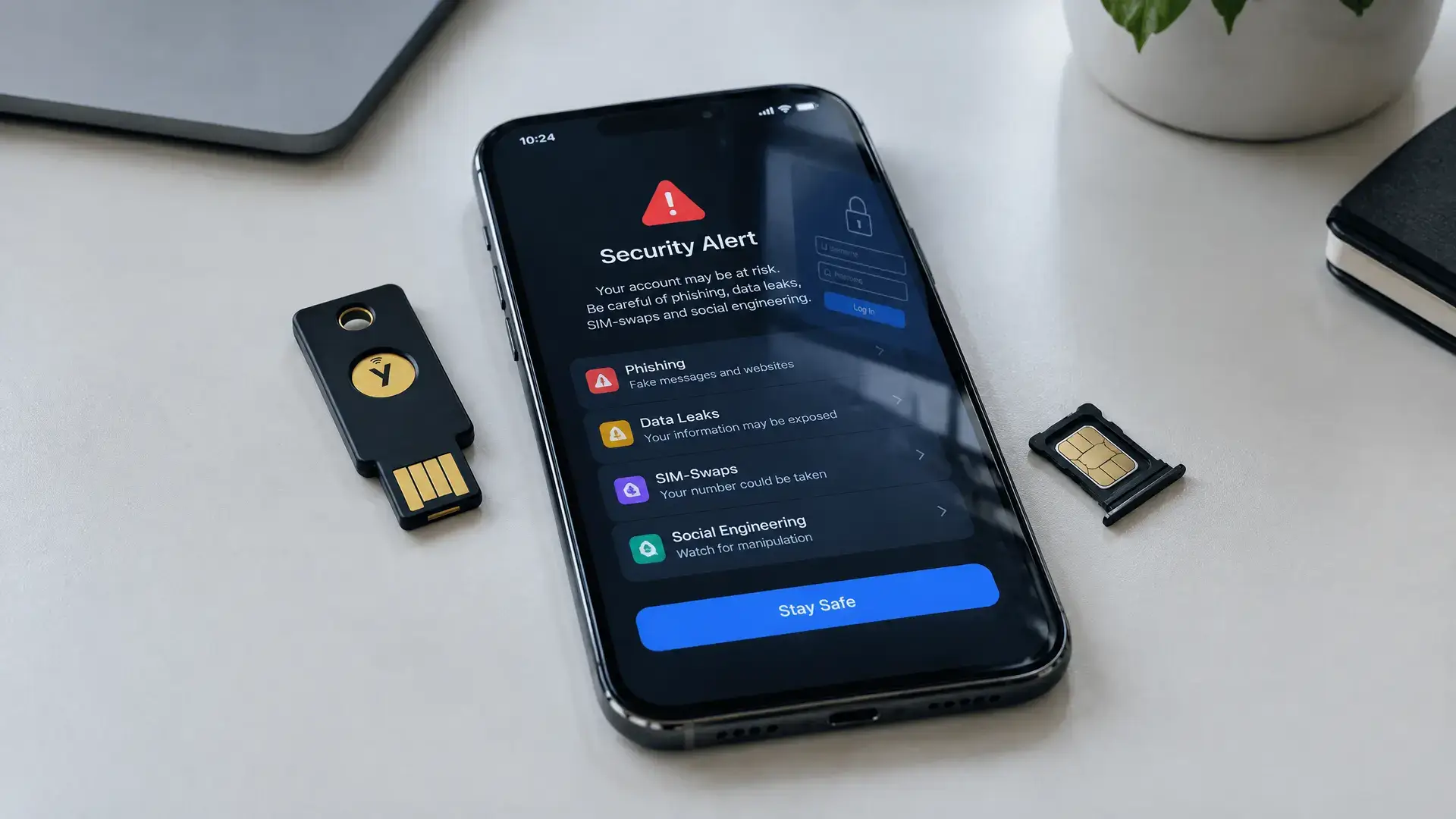
Leaked customer data at Binance, Coinbase, and other firms increases the risk of phishing, SIM swaps, and social engineering, according to CZ.
Key Takeaways
- CZ warns that recent data breaches at Binance, Coinbase, and other companies increase the risk of phishing, SIM swaps, and social engineering.
- He advises using a unique email alias for each crypto exchange and avoiding SMS-based two-factor authentication.
- Leaked contact details can later be used for targeted fraud, fake support, and possibly physical extortion.
Binance founder Changpeng Zhao, better known as CZ, shared security advice after four data breaches became public in one day at two major crypto exchanges and two South Korean financial companies. According to him, these leaks increase the risk of phishing, SIM swaps, and social engineering, even if no money has been stolen yet.
The core of his warning is simple: leaked names, email addresses, and phone numbers give scammers a list of people who may own crypto and are therefore attractive targets. After earlier data breaches in the crypto sector, phishing campaigns often followed quickly, because criminals can sound more convincing when they use real customer data to pretend they are from an exchange or support team.
How CZ Wants to Protect Users
Zhao advised users to use a unique email alias for every crypto exchange. If a service gets hit by a breach, the damage stays more contained and it is easier to see where the data leaked from.
He also advised against using SMS-based two-factor authentication. According to him, hardware keys, passkeys, or authenticator apps are safer, because leaked phone numbers are often used for SIM swaps.
In addition, users should be extra suspicious of anyone who reaches out about security or refunds, Zhao said. Even if that person mentions account details, it could still be a scammer. That fits into a broader wave of phishing after data breaches in the crypto market, where criminals are increasingly using convincing fake messages and fake websites.
Why This Is Extra Sensitive Now
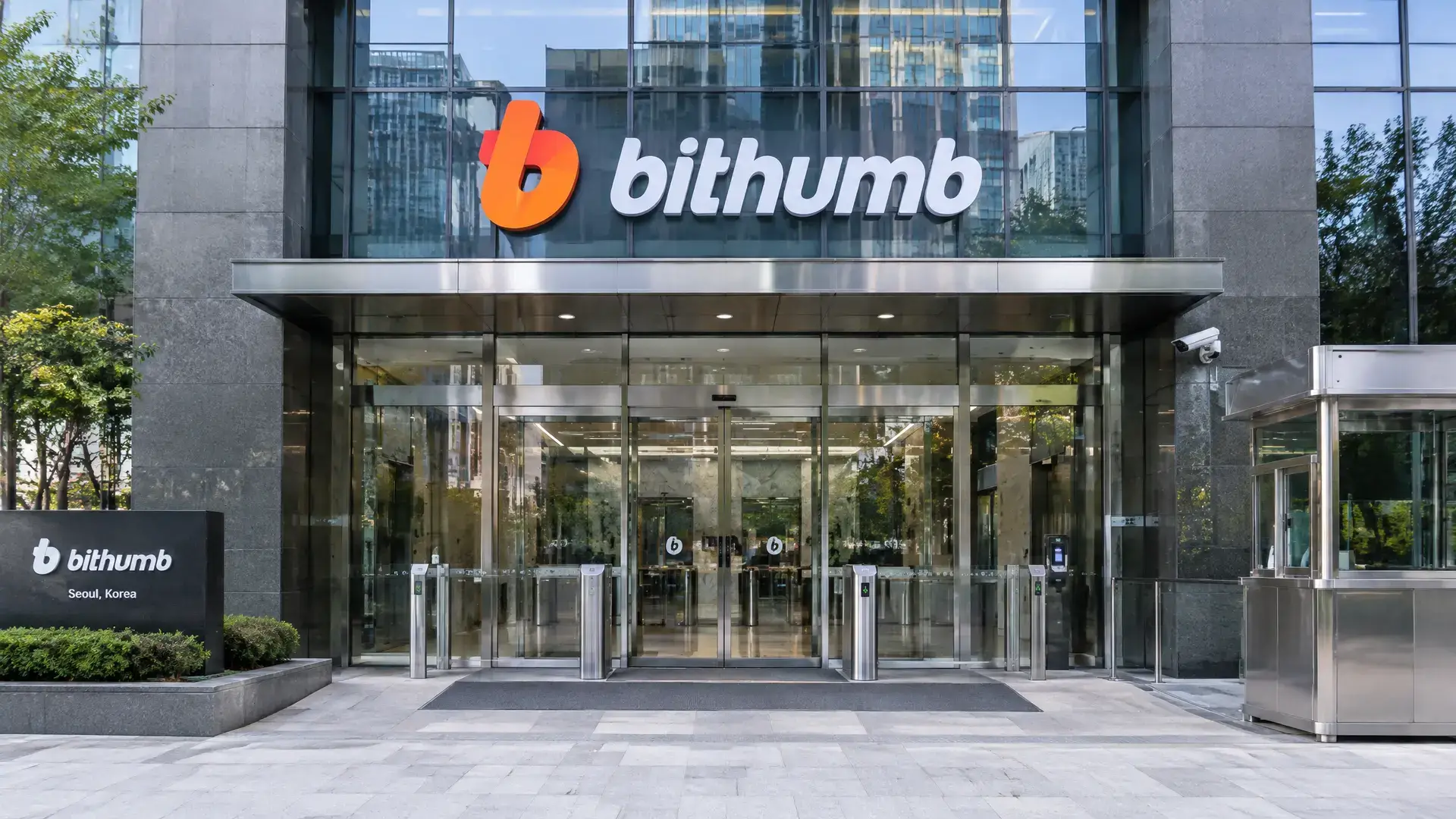
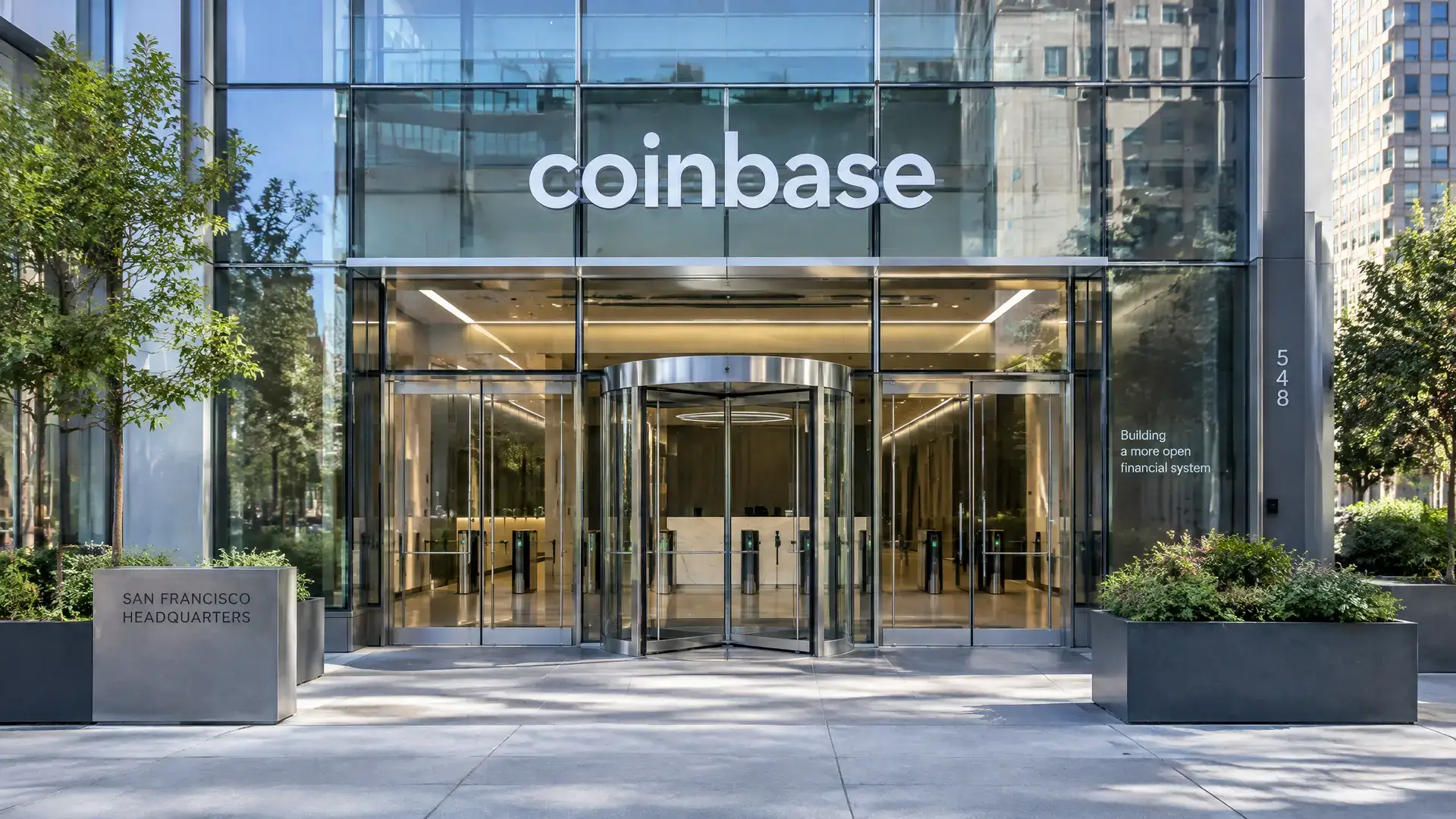
At Coinbase, the leak reportedly came through Amplitude, a U.S. analytics provider. Bithumb said on October 27 that an outsider had gained access to its internal mobile groupware system, reported the Korea Times. New breaches also came to light the same day in the traditional financial sector, including at Daishin Securities.
For European crypto readers, the key point is that data breaches are not just a privacy issue. Leaked contact details can later be used for targeted fraud, and in some cases even for physical extortion when addresses and holdings end up out in the open together. That makes security around accounts, email, and phone numbers an increasingly important part of using crypto.
Phishing Remains the Biggest Threat
CZ's warning fits a pattern where data breaches are immediately followed by phishing waves. In the first half of 2026, nearly 40,000 unique phishing URLs aimed at U.S. financial institutions were reported, with payment service providers hit most often. According to the provided context, cybercriminals are also increasingly using AI tools to make fraudulent websites and emails look more believable.
CZ previously said that leaked data more often leads to phishing than to an attack on Bitcoin's cryptography itself. According to him, the new wave of breaches gives scammers fresh contact details again, exactly the kind of information they need to approach victims more directly.