Deaton: 4,000 XRP Holders Helped Ripple Beat the SEC
Deaton says thousands of XRP holder statements carried weight in the case against the SEC. The ruling on XRP still matters for how tokens are classified in the U.S.
Key Takeaways
- John Deaton says nearly 4,000 XRP holders helped Ripple beat the SEC with their statements.
- Judge Analisa Torres ruled that XRP itself is not a security, but direct institutional sales did violate securities law.
- The case was formally closed in August 2025, while XRP was trading around $1.08 and was down about 3%.
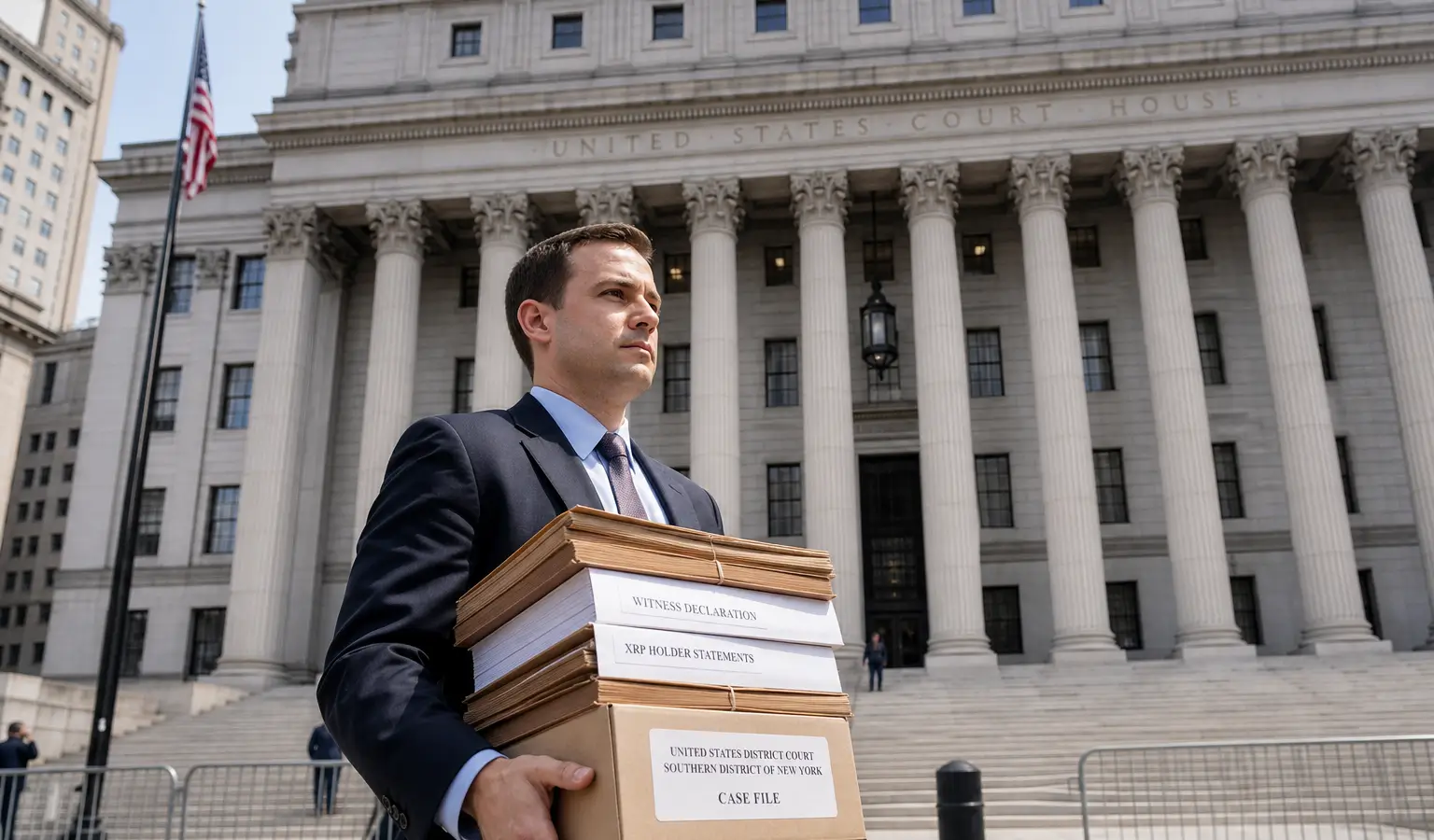
Ripple’s courtroom win over the U.S. Securities and Exchange Commission, according to lawyer John Deaton, had an unlikely backbone: nearly 4,000 XRP holders who shared their experiences with the court. Deaton said those statements, together with a handful of other pieces of evidence, were clearly part of what led Judge Analisa Torres to conclude that XRP itself is not a security.
How the Case Turned
At the center of the case was a simple question: did Ripple sell XRP as an unregistered security? The SEC sued in December 2020, arguing that Ripple raised more than $1.3 billion (€1.1 billion) through unregistered XRP sales. In July 2023, Torres split the issue in two, ruling that direct sales to institutional buyers broke securities law, while sales to retail buyers on exchanges did not.
Deaton said the XRP holder statements were not just side evidence. In his view, the judge relied on only a few dozen exhibits in the final ruling out of thousands of documents submitted, and the holder affidavits were part of that record. He also highlighted his amicus brief, along with an earlier hearing in the LBRY case, another SEC crypto dispute.
Why It Still Matters
The decision took on even more significance after Ripple paid a $125 million civil penalty in 2024 and the case was officially closed in August 2025 after both sides withdrew their appeals. That left the core ruling intact, and the SEC had already abandoned its own appeal in March 2025, suggesting the agency may be reconsidering its stance on crypto.
For European crypto readers, the bigger takeaway is that the case still shapes the wider debate over market structure and token classification. In the U.S., regulators are once again revisiting crypto market rules, and the Ripple ruling shows how much a token’s legal status can matter for exchanges, issuers, and investors. It also fits into Ripple’s broader European push, including its move toward a full MiCA license in Luxembourg.
XRP Still Under Pressure
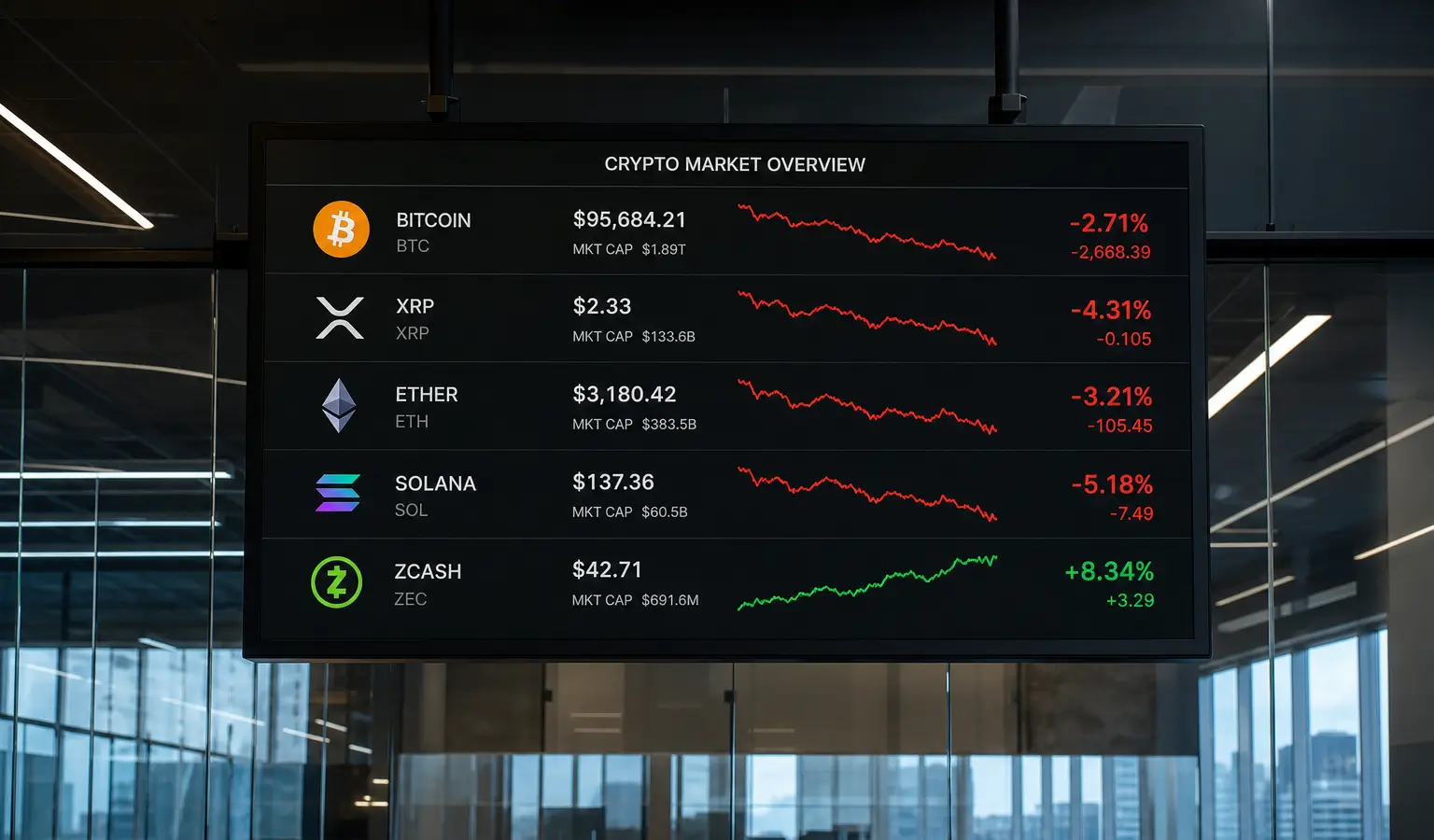
Even with the legal victory, XRP itself had little reason to celebrate. The token was trading around $1.08 (€0.94), down about 3% on the day of publication. Ripple CEO Brad Garlinghouse previously described the case as close to an existential battle for the company, but the market is now focused on a different question: how much of XRP’s legal clarity will actually carry over into the broader U.S. crypto framework.