Delaware Moves to Fully Ban Crypto ATMs
Delaware wants to fully ban crypto ATMs after a sharp rise in fraud and high fees. Read on to see what it could mean for operators and the broader U.S. trend.

Key Takeaways
- Delaware's House Bill 441 bans installing, owning, and operating cryptocurrency ATMs.
- Lawmakers point to fraud, high transaction fees, and complaints from mostly older victims as the main reasons.
- Existing ATMs must shut down and be removed within 90 days, and violators could face refunds or have the money sent to a state fund.
Delaware is getting ready for a full ban on cryptocurrency ATMs in the state. With the approval of House Bill 441, it will be illegal to install, own, or operate crypto ATMs. The move comes from concerns about scammers increasingly abusing these machines and the high costs tied to transactions through these kiosks.
Reasons Behind the Crypto ATM Ban
Delaware lawmakers, including Representative Cyndie Romer and Senator Spiros Mantzavinos, point to a sharp rise in complaints and losses from fraud through crypto ATMs. The FBI Internet Crime Complaint Center logged more than 13,400 complaints tied to these kiosks in 2025, with total losses of more than $388 million (€336 million). In Delaware alone, 181 complaints about cryptocurrency and 255 about wallets were filed last year, with combined losses of nearly $26.9 million (€23.3 million). Notably, more than half of those complaints came from people over 50.
Romer also stresses that the fees for transactions through these ATMs are much higher than on online exchanges. While online platforms usually charge fees between 0.4% and 1%, crypto ATMs can charge as much as 20%. In her view, these kiosks are mostly a "predatory way to squeeze money out of vulnerable people."
Impact and What Comes Next in the U.S.
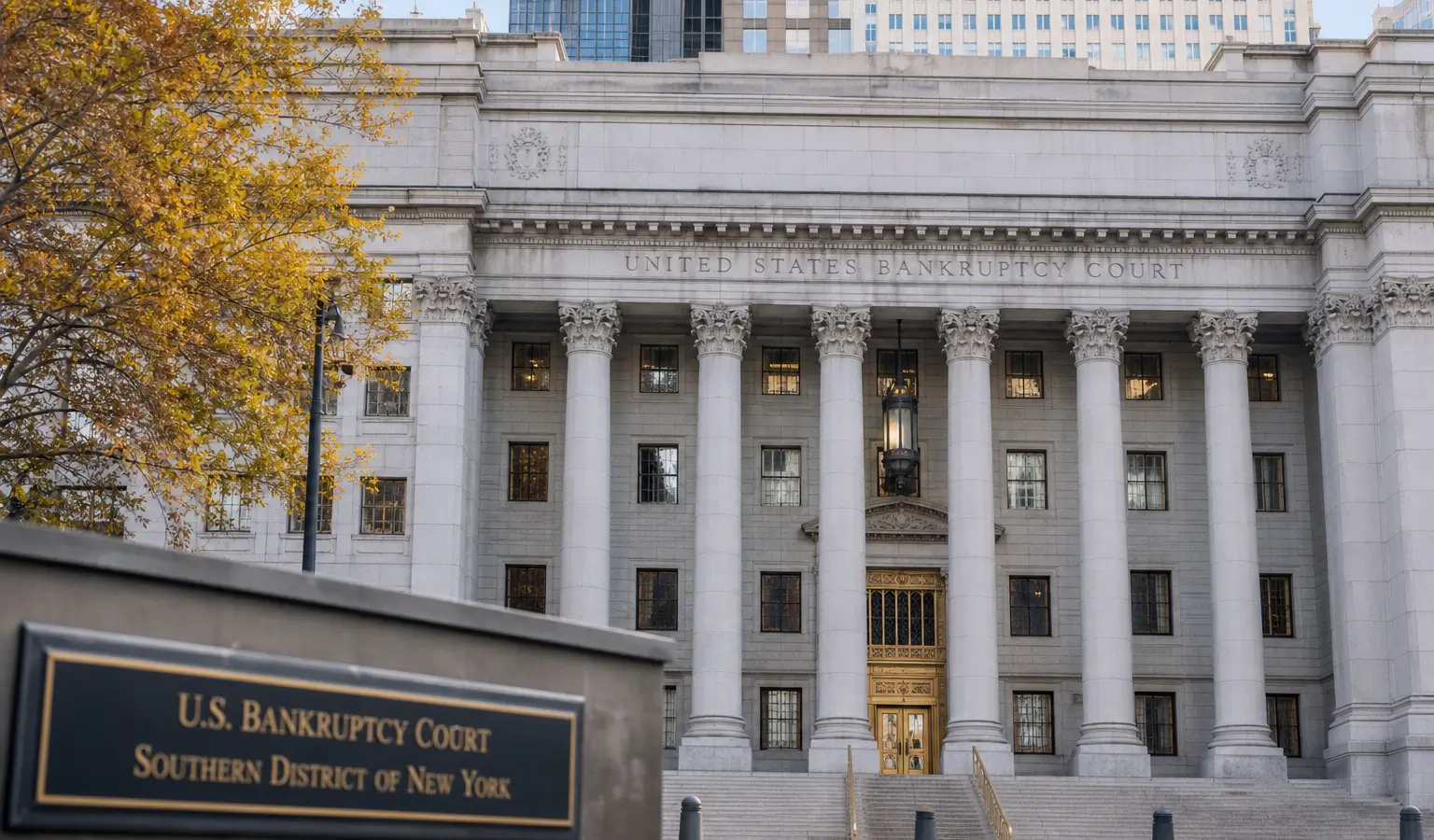
Delaware is joining about 30 other states that have passed laws since 2023 aimed at regulating or banning crypto ATMs. States like Indiana and Tennessee have even put full bans in place. This growing regulation has already led to the bankruptcy of Bitcoin Depot, once the biggest crypto ATM operator in the U.S., which filed for Chapter 11 in May and took its network offline because of rising restrictions and lawsuits.
In Delaware, existing crypto ATMs must stop operating as soon as the law takes effect and be physically removed within 90 days. Operators who collect fees from illegal transactions could be forced to refund those amounts or turn them over to a state fund. The law also expands liability to people who knowingly help facilitate crypto transactions through point-of-sale systems or cashiers, in an effort to close possible loopholes.
Why This Matters for European Crypto Readers
What’s happening in Delaware shows a broader trend toward tighter regulation around crypto ATMs, which could also matter in Europe. European regulators are watching similar concerns around consumer protection and fraud. So Delaware’s ban could be a sign of possible future moves in other jurisdictions, with vulnerable groups getting extra protection from misleading or expensive crypto services.