

Democrats Put CFTC Under Pressure Over Prediction Markets
Democratic senators want the CFTC to withdraw its demand to Kalshi and other prediction markets. At stake are conflicting federal rules, state bans, and ongoing court orders.
Key Takeaways
- Democratic senators want the CFTC to withdraw its demand that prediction markets ignore state bans.
- According to the senators, that instruction conflicts with court orders and undermines state and tribal laws.
- The fight centers on whether the federal CFTC or individual states have oversight over prediction markets like Kalshi.
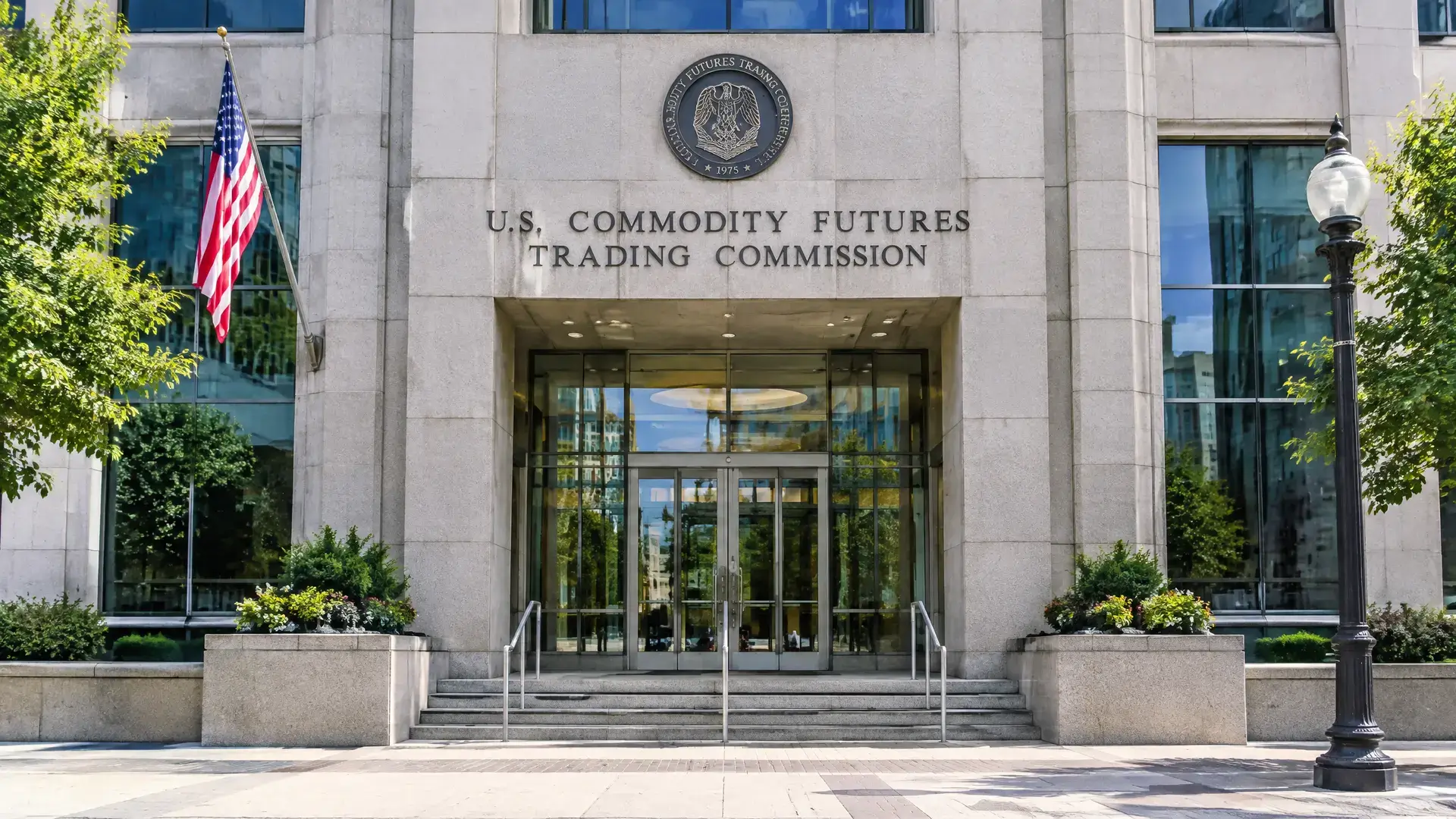
Democratic senators in the United States want the CFTC to withdraw its recent demand that prediction markets like Kalshi ignore state bans. According to the senators, that approach conflicts with ongoing court orders and puts the regulator on a collision course with states and Indigenous communities that want to limit trading.
Clash With Court Orders
The CFTC had ordered its regulated platforms to drop state-by-state geofencing. That means companies can no longer block customers from certain states, even as many states are trying to step in through their own gambling laws. The regulator gave the platforms 30 days to drop those restrictions or explain why they cannot.
The Democrats say that instruction does not line up with existing court rulings. In their letter, they write that the CFTC is actively undermining court orders and ignoring state and tribal laws. Among the signers are Adam Schiff of California and Elissa Slotkin of Michigan.
Fight Over Oversight
The core of the conflict is who has the power over prediction markets: the federal regulator or the individual states. CFTC Chair Mike Selig says federal derivatives law takes priority and that these markets should be able to operate uniformly nationwide. The regulator has also sued several states to defend its own jurisdiction.
The case has been moving for a while. Federal appeals judges have issued mixed rulings, and in earlier cases states won in several instances. In practice, that led to orders to stop certain contracts in Michigan, Nevada, and Washington, as well as on the land of two California tribes. The broader debate over oversight of event contracts has also been going on for some time, as in the case involving event contracts under swaps rules.
Why This Matters for Crypto
For Dutch and European crypto readers, this is especially relevant because platforms like Kalshi and Polymarket are often mentioned in the same breath as larger crypto exchanges and other onchain trading products. The outcome could show how far U.S. regulators can stretch their power over new forms of trading that sit close to crypto and derivatives. For companies that want to operate in the U.S. too, the question of how national rules line up with local bans remains a major risk.
The political timing makes the letter even more sensitive. The Democrats will take over the majority in the Senate Agriculture Committee, which oversees the CFTC, within two months. At the same time, hearings are scheduled for Tuesday for two new nominees to the committee, while the regulator is now still being led by Selig alone.