CFTC Wants to Bring Event Contracts Under Swaps Rules
The U.S. regulator wants to make clear that prediction markets and event contracts fall under federal swaps rules. Kalshi and states like Arizona, Connecticut, and Illinois are fighting that out in court.
Key Takeaways
- The U.S. CFTC wants to bring certain event contracts under swaps rules, clarifying its oversight of prediction markets.
- The regulator also says this draws a line between these contracts and casino-like gambling.
- Kalshi and the CFTC are seeking more clarity over exclusive federal oversight, while states like Arizona, Connecticut, and Illinois are being challenged.
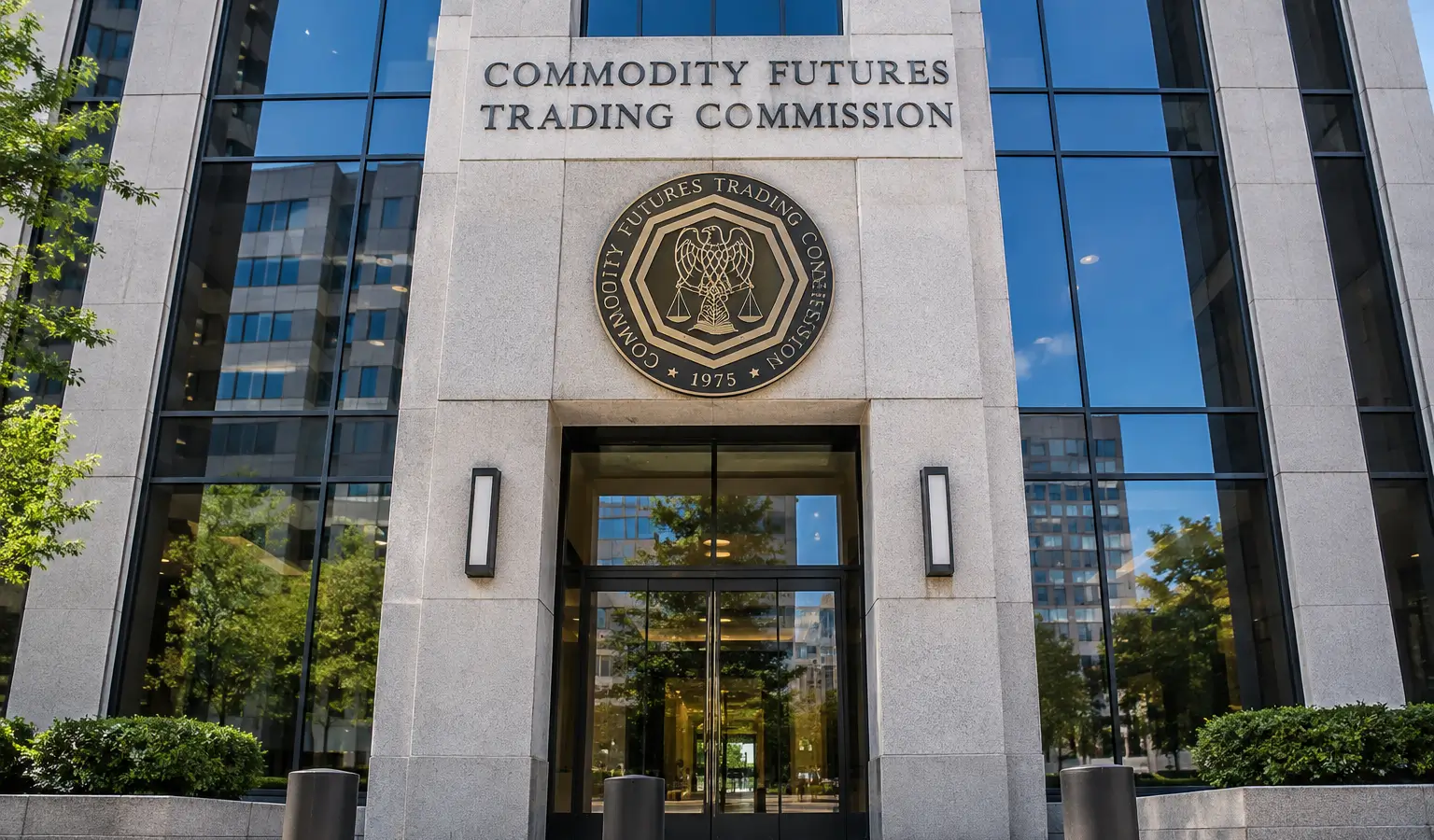
The U.S. CFTC wants to bring certain event contracts under swaps rules, while the legal fight over prediction markets keeps heating up. With this move, the regulator wants to make it clearer that these contracts fall under its oversight, not that of states or other parties.
Fast Move From the Regulator
The proposals were already sent to the White House for review less than two weeks ago. That points to a notably fast process. According to the CFTC, that clarity is needed to push back against critics who say prediction markets fall within its exclusive domain.
The regulator also appears to want to draw a line between this market and pure gambling. In the CFTC's view, casino-like gambling does not belong in its job description, while certain event contracts should fall under its oversight.
Kalshi Wants One Regulator
Companies like Kalshi also have a stake in getting more clarity. They are trying to position the CFTC as their only regulator, so there is less room for conflicting rules between federal and local authorities.
The stakes have risen because of the series of legal steps the CFTC has already taken this year. In February 2026, the regulator filed an amicus brief with the Ninth Circuit Court of Appeals to underscore its exclusive authority over these markets. In April, it followed up with lawsuits against Arizona, Connecticut, and Illinois after those states tried to regulate or restrict event contracts. The broader fight over Kalshi's sports contracts also shows how divided the U.S. judiciary has become over who gets to regulate these markets.
Political Vacuum at the CFTC
The timing also lines up with an unusual situation inside the regulator itself. CFTC Commissioner Selig is currently the only commissioner on a panel that normally has five members, which means he can set policy on his own.
President Donald Trump has not appointed any additional members so far. A similar vacancy is also playing out at the SEC, where the five-member board currently has only two members. That fits into a broader Trump administration effort to limit the number of Democrats at regulators.