DWF Sues BitGo Over $141 Million in Token Sales
DWF says BitGo broke lock-up agreements around Falcon Finance and ESPORTS tokens. The London case centers on a $114 million damages claim and also involves publicly traded custodian BTGO.
Key Takeaways
- DWF subsidiaries DWF Maas and Falcon Digital have sued BitGo over an alleged breach of lock-up agreements tied to token sales.
- According to DWF, BitGo sold Falcon Finance and ESPORTS tokens too early, after which prices kept falling.
- DWF is seeking $114 million in damages; the case is being heard at the High Court in London.
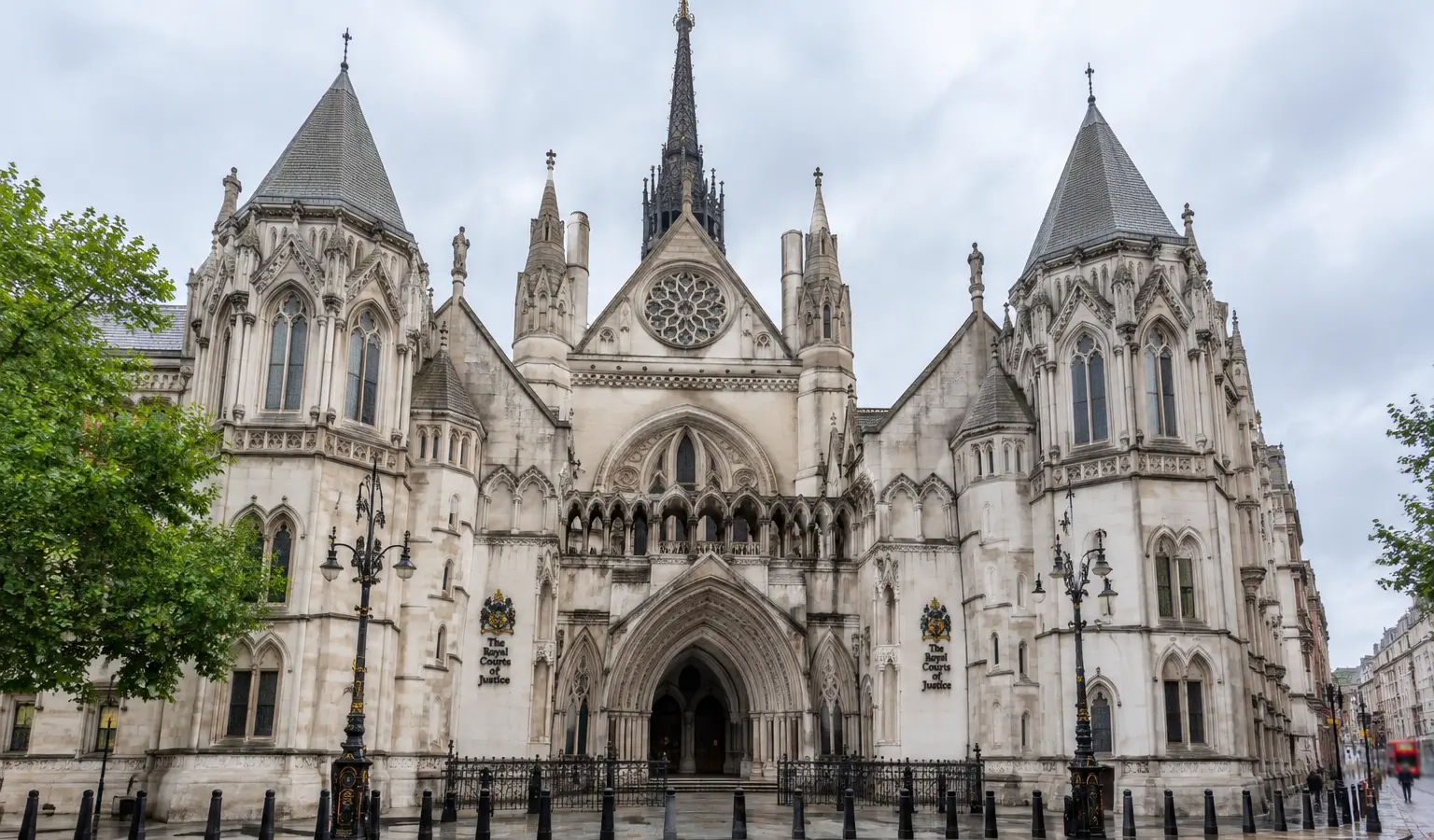
DWF Labs subsidiaries DWF Maas and Falcon Digital have sued crypto custodian BitGo over an alleged breach of lock-up agreements tied to token sales. According to a Financial Times report, the case centers on Falcon Finance tokens and ESPORTS tokens that were reportedly sold at a discount, even though they were subject to a three-month lock-up.
The lawsuit was filed at the High Court in London. DWF says BitGo broke the contracts by selling the tokens before the agreed lock-up period ended. According to the company, prices kept falling after that. Falcon Finance dropped from 8 cents at the start of the lock-up in early March to about 7 cents at the end of April. ESPORTS fell from around 28 cents in mid-March to 7 cents in early June.
$114 Million (€102 Million) Damages Claim
DWF says it is seeking $114 million (€102 million) in damages based on the losses it says were caused by that price drop. The complaint says the discount BitGo received only applied as long as the tokens stayed locked. DWF also says the tokens were moved to exchanges about two months before the first unlock.
The dispute shows how important lock-up agreements are in private token sales. These agreements are meant to stop buyers from selling their tokens right away and putting pressure on the market price. In crypto, deals like this are a common way for projects to raise capital without immediate selling pressure.
BitGo and WLFI
BitGo is a well-known crypto custodian and went public in New York in January 2026 under the ticker BTGO. The company raised about $213 million (€190 million) at the time and was valued at around $2.1 billion (€1.9 billion). That IPO makes the case even more notable, since it now involves a publicly traded crypto company caught up in a legal dispute over token sales.
DWF had already come into the spotlight earlier because of its purchase of $25 million (€22.3 million) in WLFI tokens, the governance token of World Liberty Financial. That project is backed by the Trump family and is also working on a stablecoin, USD1. The investment raised questions in Washington about the background of DWF founder Andrei Grachev, who previously led the Russian arm of crypto exchange Huobi.