Alex Mashinsky Gets $35 Million Fine and Lifetime Ban
The settlement follows Mashinsky’s 12-year prison sentence and the winding down of Celsius, which froze withdrawals in 2022 and later went bankrupt. The CFTC had already imposed a permanent ban on him as well.
Key Takeaways
- New York has settled with former Celsius executive Alex Mashinsky for up to $35 million and a permanent ban from securities, commodities, and crypto.
- Mashinsky is already serving a 12-year federal prison sentence after pleading guilty to securities and commodities fraud.
- Customers and creditors had received more than $3.4 billion back through the Celsius bankruptcy process through August.
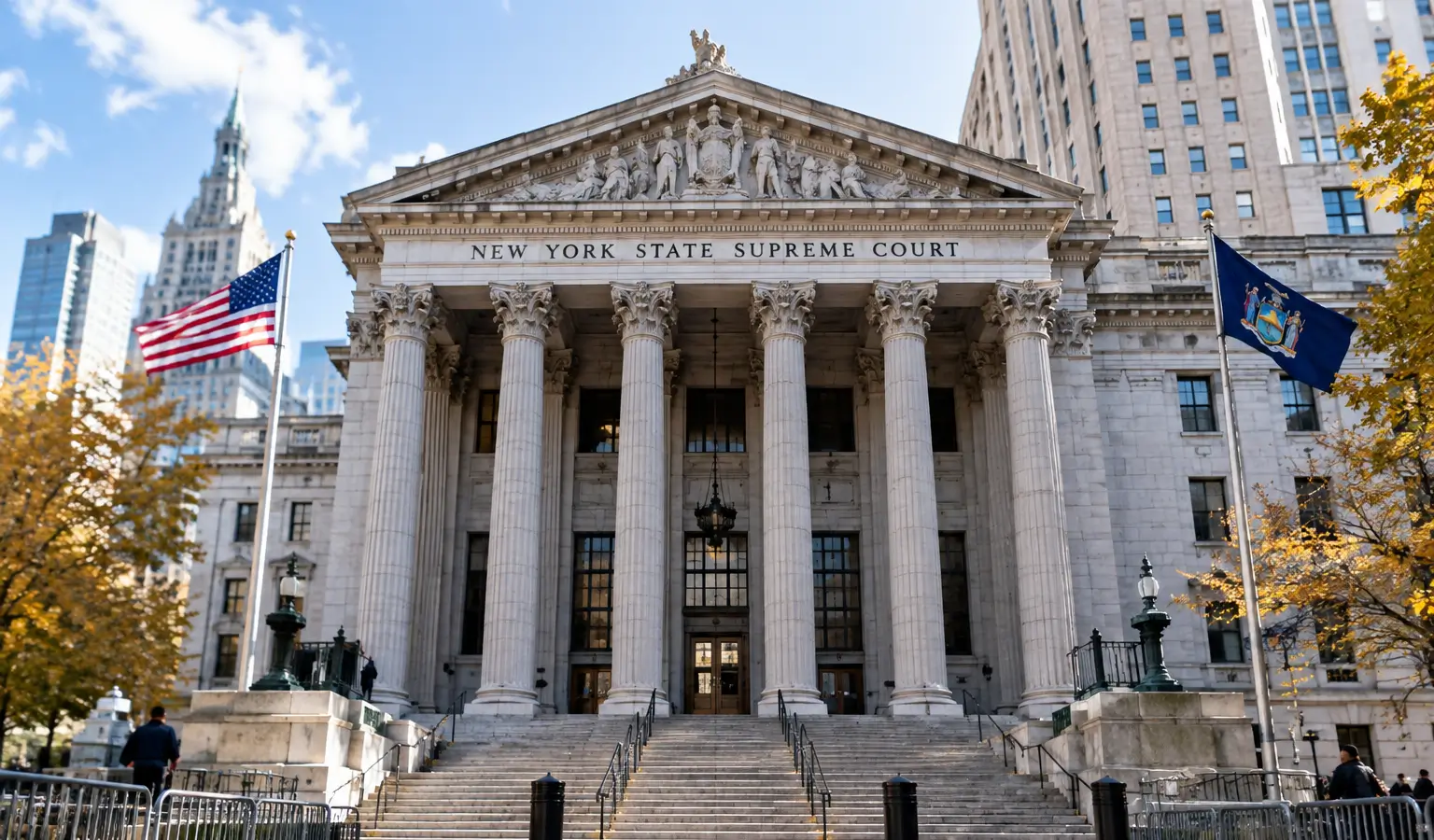
New York has reached a settlement with former Celsius executive Alex Mashinsky, worth up to $35 million (€31.2 million) and a permanent ban from working in the securities, commodities, or crypto sectors. The case centers on the collapse of Celsius, which stopped customer withdrawals in 2022 and filed for bankruptcy a month later.
Settlement in New York
According to Attorney General Letitia James, Mashinsky must pay $25 million (€22.3 million) to the state if he does not first hand over $10 million (€8.9 million) in alleged ill-gotten gains to the federal government. On top of that, he would owe another $10 million (€8.9 million) if he does not fully serve his prison sentence. Mashinsky is already serving a 12-year federal prison sentence after pleading guilty to securities and commodities fraud.
James sued Mashinsky in 2023. She said he misled hundreds of thousands of investors, including more than 26,000 New York residents, about the safety of their Celsius holdings. The CFTC already imposed a permanent ban on him in June for commodities-related activity.
What This Means for Celsius
The settlement adds to a bankruptcy case that has already been dragging on for years. Through August, customers and creditors had received more than $3.4 billion (€3 billion) through the bankruptcy process, according to the attorney general. That fits into a broader wind-down in which creditors received multiple payouts during 2024 and 2026, partly in crypto and partly in cash.
The case shows how much the fallout from Celsius still matters for U.S. regulators and affected customers. James said Mashinsky presented Celsius as safer than a bank, while the company used customer assets in risky strategies and hid losses.
Why This Still Matters
For European crypto readers, this is especially relevant because it shows how aggressively U.S. authorities are still going after misleading claims around crypto custody and yield. The Celsius case is also often seen as one of the best-known examples of the risks of centralized crypto platforms, especially when customer funds are used in complex strategies. That still makes the case a reference point for regulation and trust in the sector.