SpaceX Puts Verizon, AT&T, and T-Mobile Under Pressure After Spectrum Deal
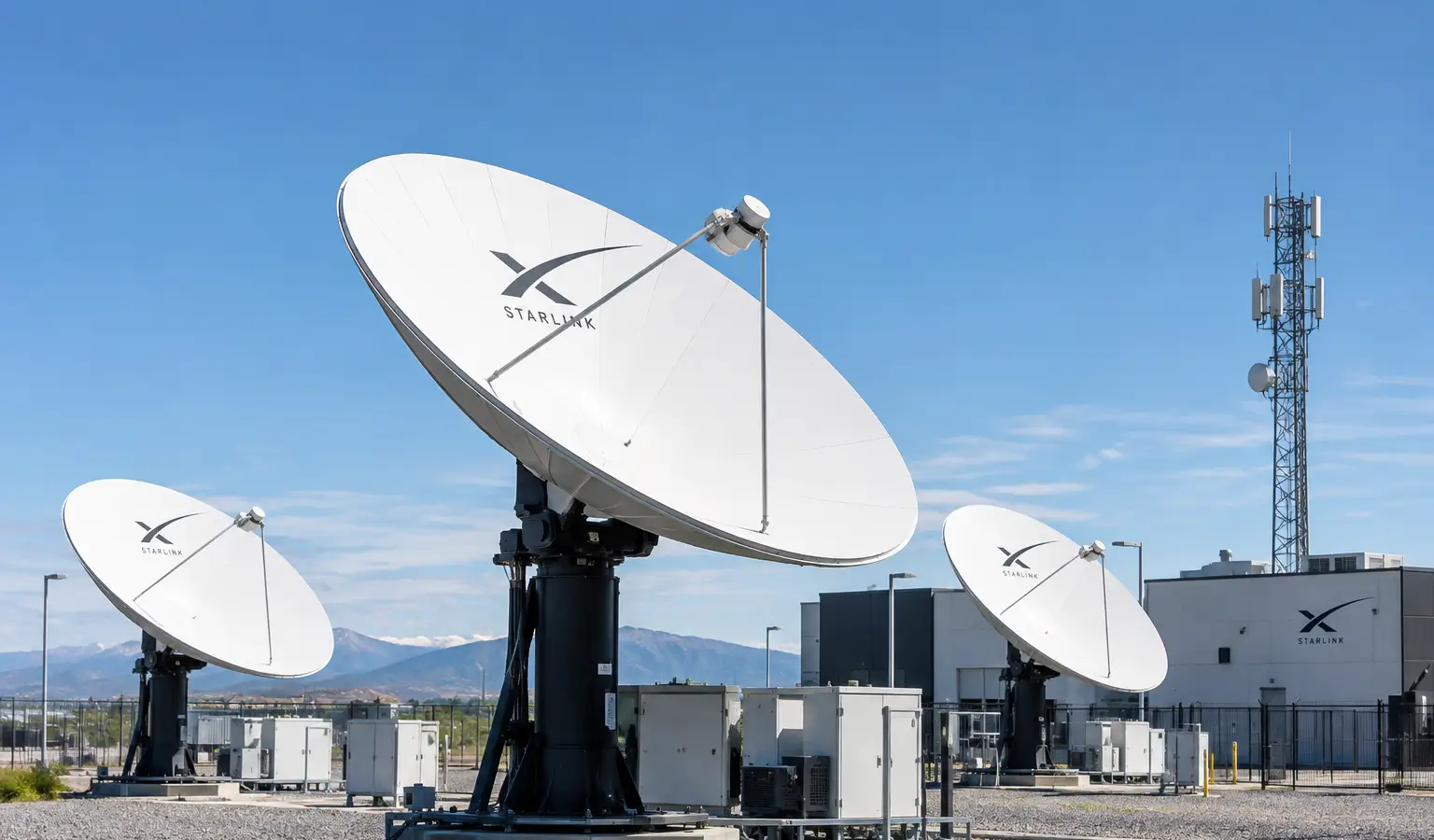
SpaceX buys national low-band spectrum, increasing the pressure on Verizon, AT&T, and T-Mobile. The FCC had already given the green light for a larger Starlink Mobile constellation.
Key Takeaways
- SpaceX struck a national deal for low-band spectrum and immediately put pressure on Verizon, AT&T, and T-Mobile.
- The telecom stocks each fell about 6% in after-hours trading on Thursday after news of direct satellite connections to phones.
- The FCC previously approved SpaceX's application for a Starlink Mobile Gen2 constellation of 15,000 satellites.
SpaceX has closed a national deal for low-band spectrum, putting the major U.S. telecom stocks under immediate pressure. Verizon, AT&T, and T-Mobile each fell about 6% in after-hours trading on Thursday after it became clear that SpaceX is once again focusing on direct satellite connections to phones.
Spectrum and Satellites
The deal is about radio frequencies that carry mobile signals. SpaceX is buying a national package of low-band spectrum from Grain Management, which had previously bought those frequencies from T-Mobile in August. According to Reuters, SpaceX is paying an undisclosed amount.
Low-band spectrum reaches farther and penetrates buildings better than the mid-band frequencies that Starlink Mobile had relied on before. That makes it more practical for SpaceX to build out satellite-to-phone services without fully depending on the infrastructure of existing carriers.
SpaceX said the portfolio includes up to 14 megahertz of paired spectrum in the 800 MHz band. T-Mobile already sells a satellite-to-phone service under the name T-Satellite, but the new purchase shows that SpaceX is also trying to build capacity outside existing telecom partnerships.
FCC Gives Extra Room
The U.S. regulator FCC also previously approved SpaceX's application for a Starlink Mobile Gen2 constellation of 15,000 satellites. That gives the company more room to keep rolling out its direct satellite services, although it is still unclear how quickly that capacity will be used commercially.
The move comes at a time when the established carriers have already spent billions on low-band spectrum over the years. According to the report, that amounts to about $110 billion (€98.3 billion) in spending over a 10-year period. That makes SpaceX's new deal especially notable, because the company is now getting access in one transaction to a national package that is normally built up across much larger telecom deals.
What This Means for Investors
For European crypto readers, this is mainly relevant because SpaceX, through Starlink, is one of the best-known names in the broader satellite and telecom infrastructure around crypto and digital services. The combination of spectrum, satellites, and direct phone connections shows how quickly new infrastructure models can move from niche to serious competition for established players. That could also be interesting for investors tracking how major tech companies expand their network position beyond the traditional telecom market.