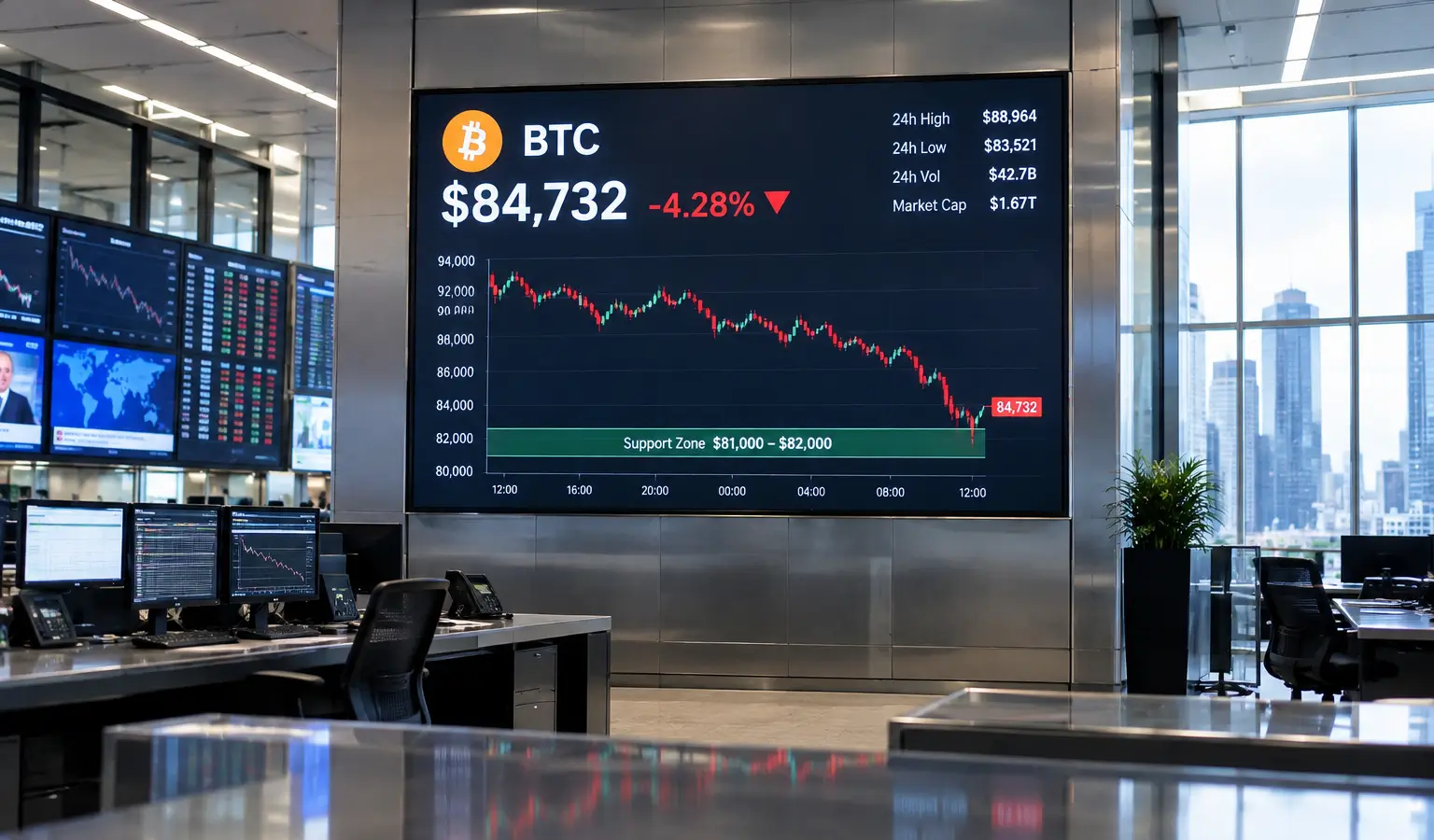
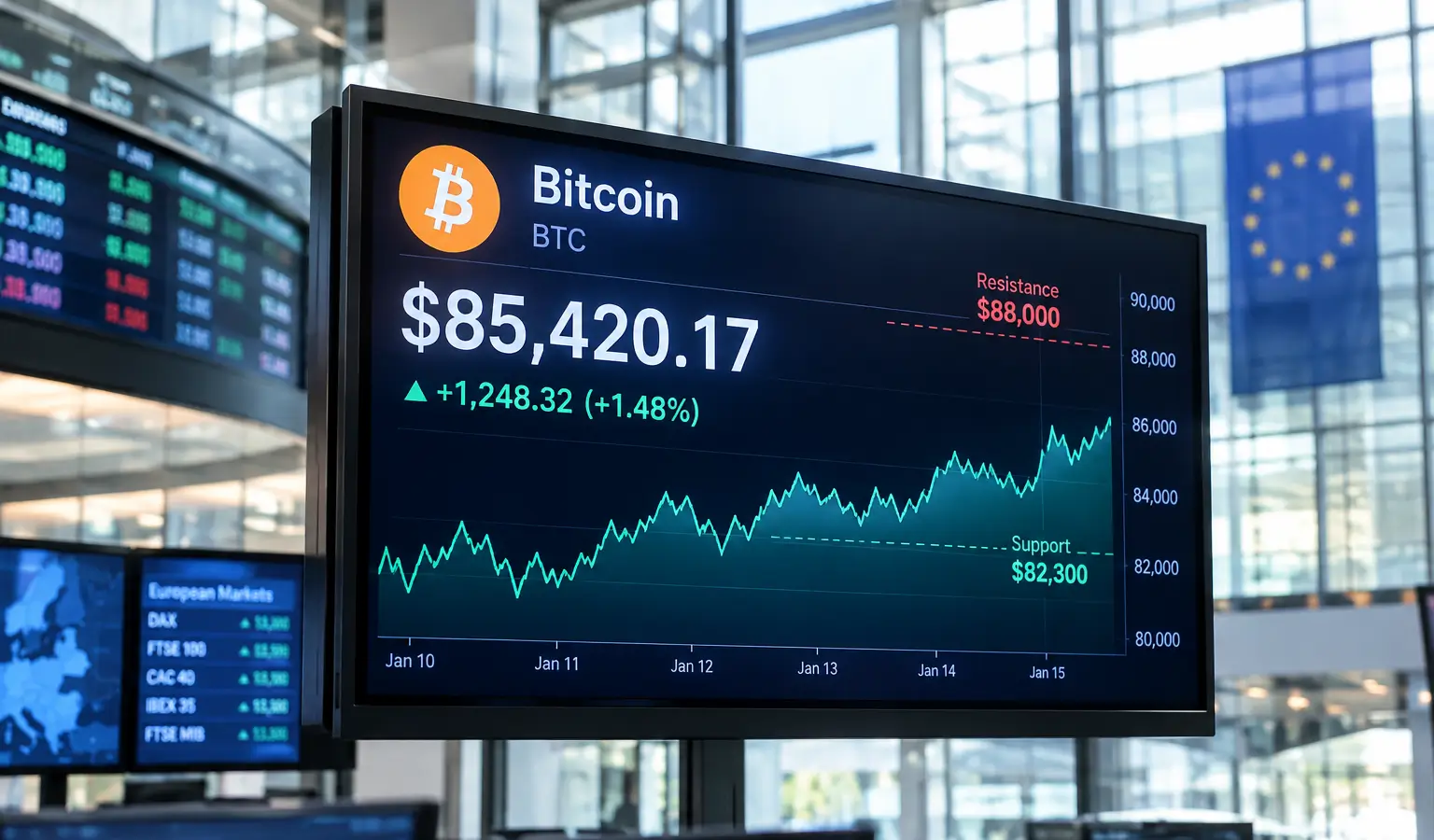
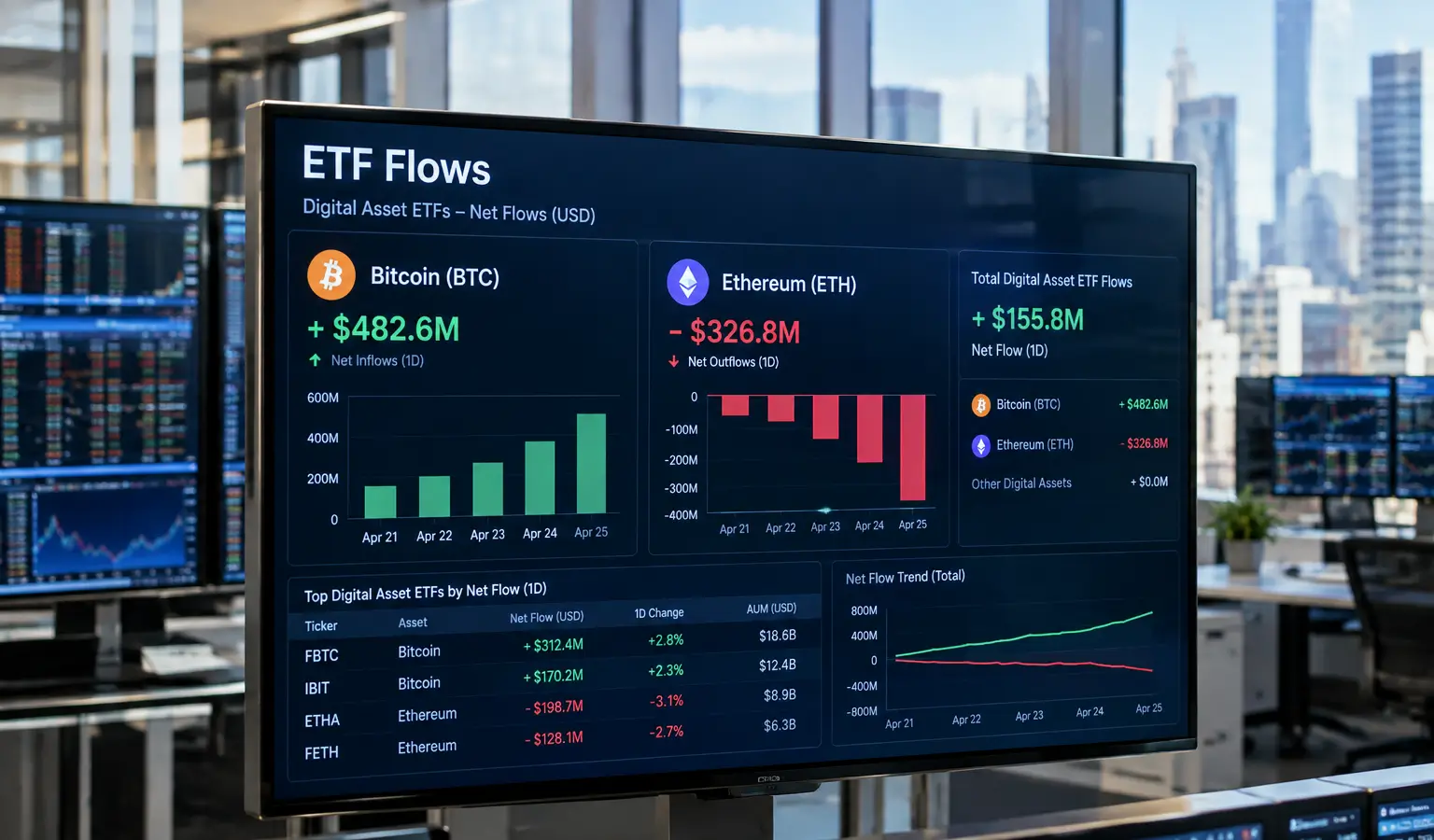
Thailand Opens Market for Bitcoin and Ethereum ETFs
The SEC is letting local funds invest in Bitcoin and Ethereum ETFs, while keeping foreign products and retail access tightly restricted.
Key Takeaways
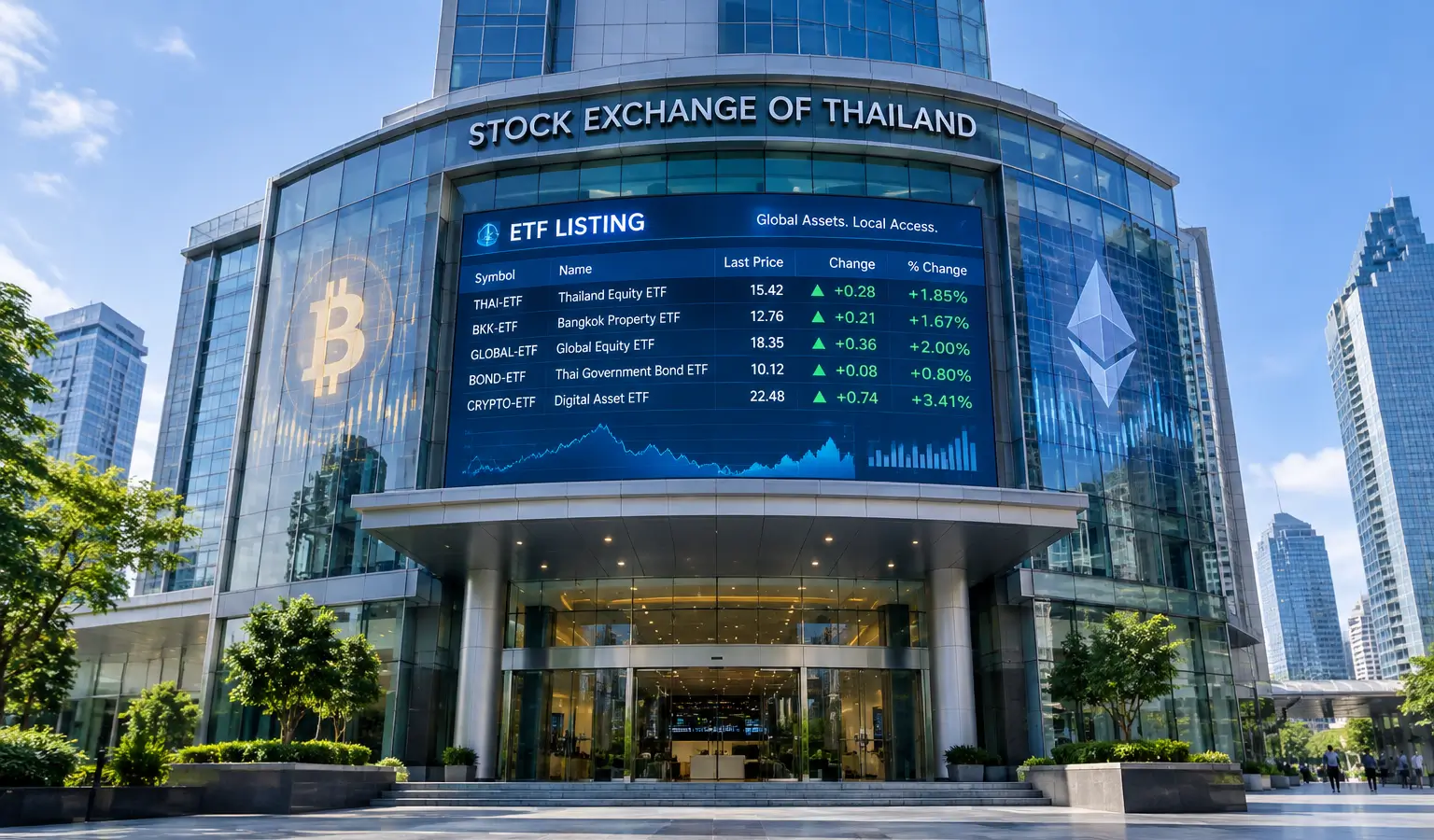
- Thailand will allow Bitcoin and Ethereum ETFs on the Stock Exchange of Thailand starting October 16.
- Local mutual funds and private funds can invest in these crypto ETFs within existing limits.
- Foreign crypto ETFs will stay out of reach for regular investors; brokers are not allowed to steer retail clients toward them.
Thailand will allow Bitcoin and Ethereum ETFs on the Stock Exchange of Thailand starting October 16. At the same time, the country is putting a clear brake on foreign versions. The new rules from the Securities and Exchange Commission make it possible for local funds to invest in these products, while regular investors will not be directed through brokers to foreign crypto ETFs.
Local ETFs Get the Green Light
The regulator published 11 notifications on October 8 after two rounds of public consultation. That sets the foundation for a market where Thai mutual funds and private funds can buy local crypto ETFs within existing investment limits.
On the first day, only Bitcoin and Ethereum are allowed. The SEC wants to add more tokens later only if things like liquidity, market acceptance, network security, and investor protection are strong enough. The funds also have to be passive and hold an average of at least 80% of their assets in a single crypto asset over each fiscal year.
Strict Rules for Investors
The coins must be held with digital asset custodians regulated by the SEC. The regulator is leaving a small opening for qualified foreign custodians if that is later considered appropriate.
Investors also have to complete risk training and confirm that they understand the product before they can trade. Brokers are also not allowed to provide margin loans to buy these ETFs, in line with the existing ban on borrowing to buy crypto through digital asset operators.
Foreign Products Stay Out of Reach
Thailand is deliberately choosing to channel the flow of crypto ETFs mainly into its own market. Products tied to foreign crypto ETFs, such as depositary receipts, remain banned. For retail clients, brokers also are not allowed to help them buy foreign crypto ETFs, except when it involves institutional or ultra-high-net-worth investors.
For European crypto followers, this matters because Thailand is becoming one of the first markets in Asia where spot-like crypto ETFs can list on a national exchange under strict local rules. At the same time, the approach shows that regulators are increasingly tying access to crypto investment products to local custody, risk checks, and limits on retail use. That fits into a broader trend where regulators are trying to put a tighter framework around the market for crypto funds, instead of opening it up completely.