SEC Reopens ETF Rules, Putting Crypto Funds in the Spotlight
The SEC is asking for 60 days of comments on the automatic approval path for new ETFs, with extra focus on crypto and other nontraditional funds.
Key Takeaways
- The SEC is reviewing the rules for new ETFs and opening a 60-day consultation on the automatic approval path.
- The regulator is also asking whether funds without traditional assets still fit the definition of an investment company.
- The review matters for crypto ETFs after spot Bitcoin ETFs were approved in 2024 and in-kind transactions were allowed in 2025.
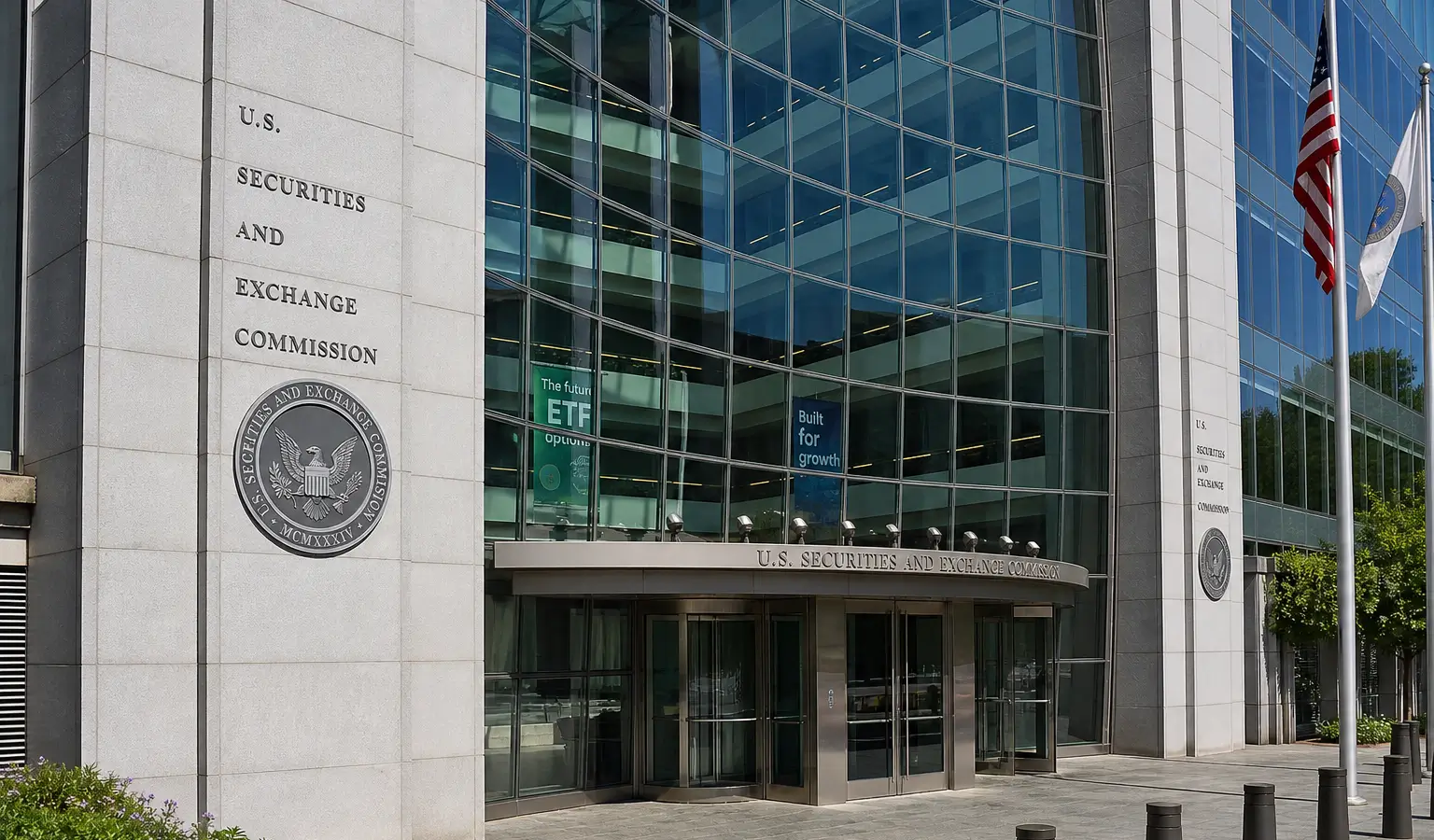
The U.S. Securities and Exchange Commission is taking another look at how new exchange-traded funds come to market, including crypto ETFs, and is now asking for feedback on the automatic approval route these products can use. As part of that process, the agency is launching a 60-day consultation, while the larger question is which types of investment products should qualify under the ETF structure.
New Questions for ETFs
The SEC says this review goes beyond crypto. It is also focused on how newer ETFs can reach the market more quickly and with more transparency without weakening investor protections. Chair Paul Atkins said ETF innovation depends on a regulatory framework that is consistent, transparent, and efficient regulatory framework.
Under the current system, funds that meet certain requirements can list without first seeking an individual exemption. That setup has helped the ETF market expand quickly, growing from $4 trillion (€3.5 trillion) in 2019 to $12 trillion (€10.5 trillion) in 2025. Now the commission wants to know, among other things, whether a provider that does not hold traditional assets still meets the definition of an investment company.
Why This Matters for Crypto
This review is especially relevant for crypto because the SEC is directly asking how novel ETFs should be handled when their underlying assets are not securities under the Investment Company Act. TD Cowen analyst Jaret Seiberg said a broader ETF market could also open the door to funds tied to event contracts, crypto assets, and single-stock strategies.
For crypto investors, that is a meaningful signal. Over the past few years, the SEC has gradually made room for crypto-linked products. In January 2024, it approved the first spot Bitcoin ETFs after years of rejections, and in July 2025 it approved in-kind creations and redemptions for crypto ETFs, bringing them closer to the structure used by traditional commodity funds. Recent outflows from spot funds show how quickly that market can still react to price swings and policy shifts, as seen in the pressure on BlackRock's IBIT after the latest bitcoin drop.
Broader Policy Under Atkins
The consultation also fits into Atkins' wider agenda, which has pushed new technologies and especially crypto higher on the SEC's priority list. At the same time, the agency is working on broader policy questions around the tokenization of securities, while ETF rules could be revised again.
The commission is also seeking input on when ETFs should become effective and what disclosures should be required during that process. Put simply, the regulator is not only looking at crypto funds, but at the entire framework that determines how new ETFs enter the U.S. market.