Digital Wallets Are Putting Pressure on Bank Accounts, Steakhouse Says
Steakhouse points to a shift toward wallets that combine stablecoins, saving, and payments in one app. Standard Chartered and Visa see the same trend, while banks have to adapt their payment infrastructure.
Key Takeaways
- Steakhouse Financial co-founder Adrian Cachinero says younger generations may never open a traditional bank account.
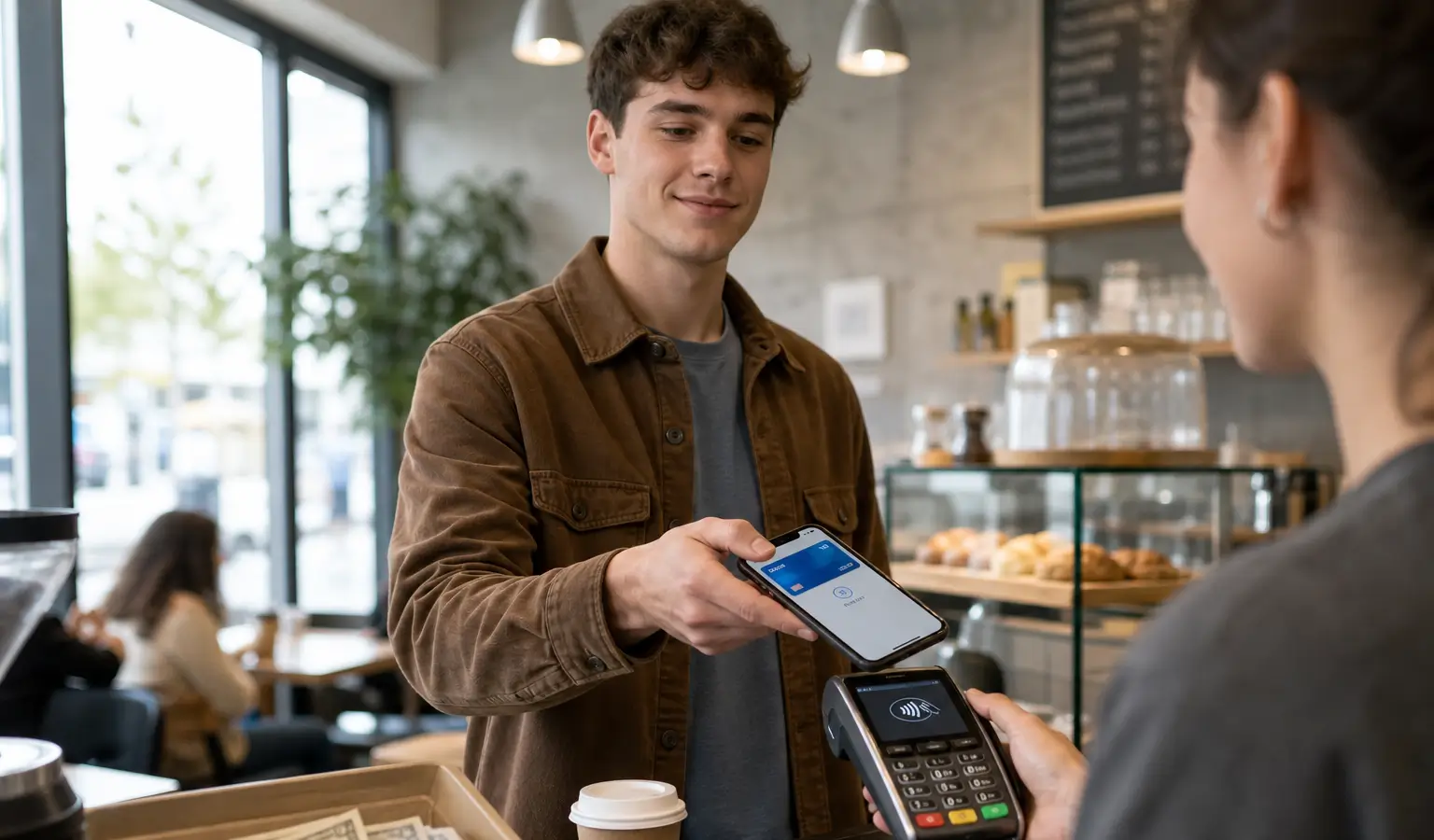
- Digital wallets are growing fast around the world and are being used more and more for saving, investing, and everyday payments.
- Standard Chartered sees a future where wallets combine cash, stablecoins, crypto, and tokenized deposits from multiple providers.
Several crypto and payments companies say the traditional bank account is facing growing pressure from digital wallets. Steakhouse Financial co-founder Adrian Cachinero says his one-and-a-half-year-old daughter may never need to open a bank account, since younger generations are likely to manage money, savings, and payments through digital apps instead.
Wallet as a Financial Starting Point
Steakhouse Financial oversees more than $4 billion (€3.5 billion) in blockchain-based vaults, where users can deposit stablecoins, earn yield, and retain control of their assets. That reflects a broader shift in which digital wallets are becoming more than just a way to pay. They are increasingly being used for saving, investing, and day-to-day financial activity.
This trend is playing out across the market, not just at one company. Digital wallets are expanding quickly worldwide and are being used more often for electronic payments in everyday life. Banks are reacting by building wallet features into their apps, while also updating the infrastructure behind those services to support this new layer of digital trust.
Cachinero said he does not expect banks to go away. Instead, he believes the real change is in what digital-native users expect from financial services: they want them to work online as smoothly as any other internet product.
Stablecoins and Banks Side by Side
Standard Chartered also sees wallets becoming more central. Banker Naveen Mallela described a future in which users hold cash, tokenized deposits, stablecoins, crypto, and funds from different providers in a single wallet. He also noted that this reflects his personal view, not the bank's official stance.
Mallela said stablecoins and bank-issued tokenized deposits are likely to serve different purposes. In his view, stablecoins are better suited to retail payments and remittances, while tokenized deposits may be more useful for wholesale and institutional payments. That matches the way the current payment system works, where many cross-border transactions still move through bank accounts, while stablecoins can transfer between wallets at any time of day.
Visa reported $6.6 billion in volume across 132.4 million retail stablecoin transactions in the most recent period. Standard Chartered also expects stablecoin circulation could reach about $2 trillion (€1.7 trillion) by 2028, while agent-driven e-commerce purchases could climb from 1% in 2025 to 12% in 2029, according to the bank.
Why This Matters
For European crypto readers, the bigger point is that the line between crypto exchanges, banks, and payment apps is getting harder to see. Binance is noticing the same shift among its users and wants to move further into payments and other financial services through a super app. The open question is how well self-custody and regulated banking infrastructure can work together, especially as stablecoins are used more often for payments and settlement.