Dogecoin Labs Brings Together MyDoge, DogeOS, and Such App
The Dogecoin Foundation is handing MyDoge, DogeOS, and Such App over to a new commercial arm. The focus is on wallets, apps, and merchant payments around DOGE.
Key Takeaways
- Dogecoin Labs is bringing MyDoge, DogeOS, and Such App together under one company in partnership with the Dogecoin Foundation.
- Jordan Jefferson, founder of MyDoge and DogeOS, will become CEO of Dogecoin Labs.
- DogeOS has opened its public testnet, while the security link with the Dogecoin mainchain still needs further work.
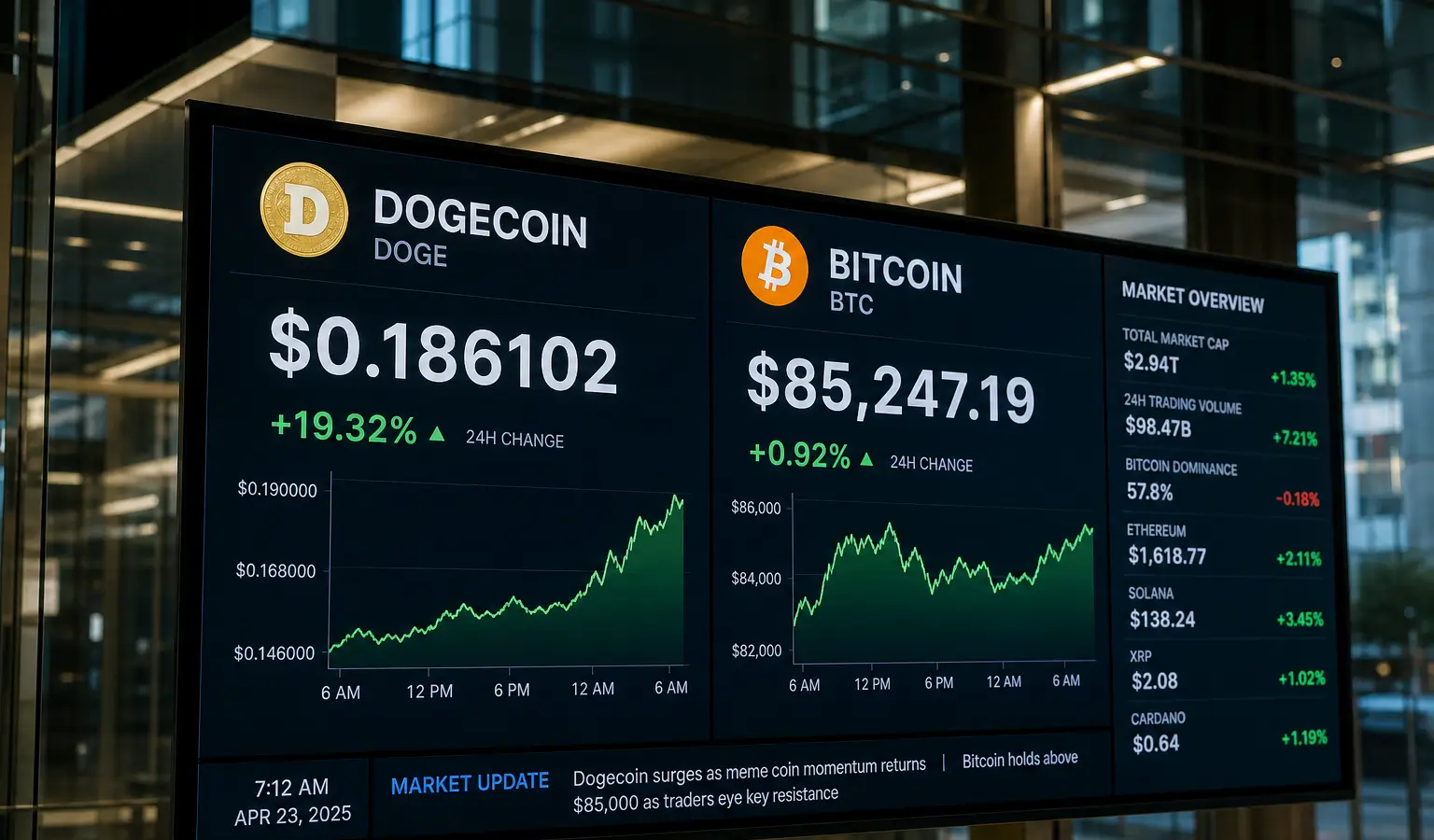
The teams behind a Dogecoin wallet, an application network, and merchant payment tools are combining their work under Dogecoin Labs. The new company is meant to make it easier for DOGE holders to use their coins in apps and for payments. DOGE was trading around 8.2 cents, after a 3.9% gain in 24 hours.
What Dogecoin Labs Brings Together
Dogecoin Labs is being created in partnership with the Dogecoin Foundation and will take control of MyDoge, DogeOS, and Such App. Jordan Jefferson, founder of MyDoge and DogeOS, will become CEO of the new company.
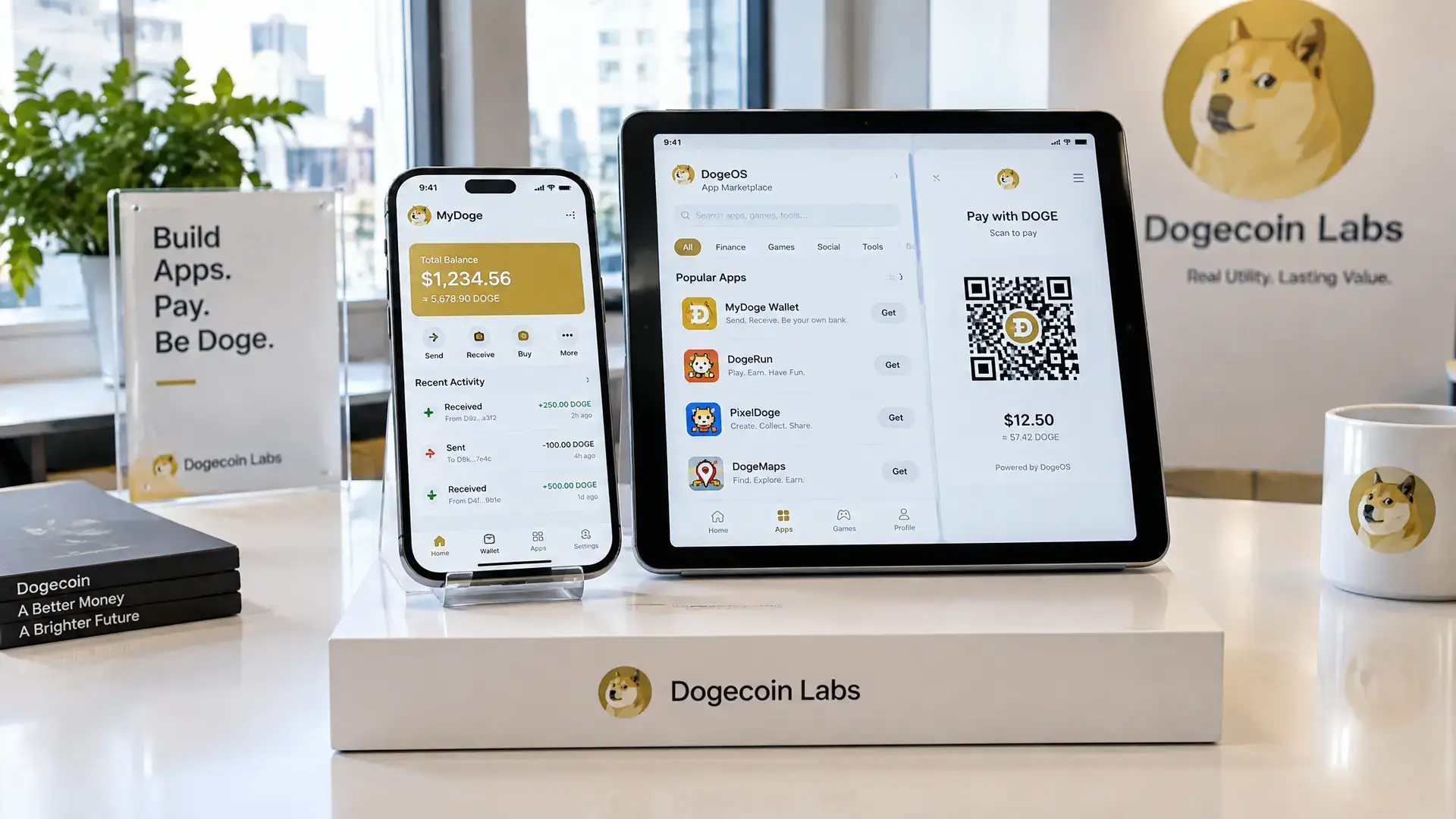
The setup connects three parts of a possible DOGE economy. Developers build apps on DogeOS, users find them through MyDoge, and merchants can accept payments through Such App. The beta version of Such App already supports invoices and QR payments in physical stores, but the link with DogeOS is still on the roadmap.
MyDoge says it now has more than 500,000 users without paid acquisition. The recently released V3 update connects the wallet to apps being built on DogeOS. It is not known how many of those users have actually tried those apps.
Role of the Foundation
The Dogecoin Foundation and House of Doge are transferring intellectual property and development teams to Dogecoin Labs. The foundation will keep focusing on open-source development, advocacy, and community work, while Labs will handle products and commercial opportunities.
That split fits the way Dogecoin has evolved over the past few years. The coin started in 2013 as a joke, but it is now getting more practical uses around wallets, apps, and payments. For a coin that still relies heavily on community use, that matters because more concrete use cases could increase DOGE's visibility beyond speculative trading.
Testnet and Security
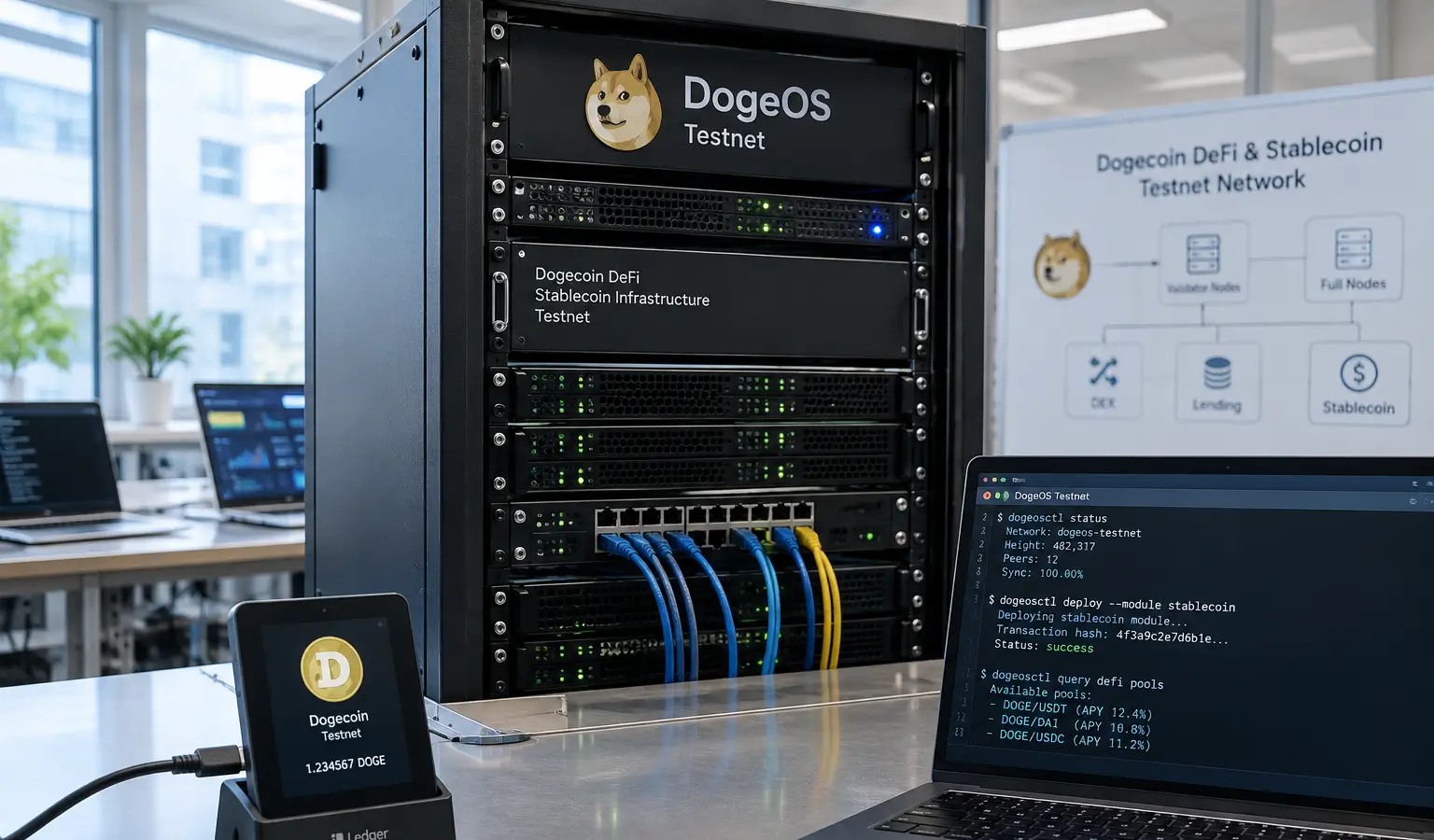
DogeOS opened its public testnet on September 30, so developers can build Ethereum-like lending services, exchanges, and games with test DOGE. Dogecoin itself only processes coin transfers, which means those apps run on a separate system.
The security link with the Dogecoin mainchain still needs further work. DogeOS wants the Dogecoin network itself to verify with mathematical proofs that apps were executed correctly, but the proposal for that is still a draft. Until that link exists, users have to trust the selected DogeOS operators and hardware to verify that the apps are working properly.