ECB Raises Rates, Puts Pressure on Fed Under New Leadership
The ECB is pushing rates higher as inflation keeps climbing, putting pressure on the dollar and the new Fed chair’s policy. The effects could reach beyond Europe.

Key Takeaways
- The ECB is expected to raise its policy rate to 2.25% on June 11, the first increase since 2023.
- Eurozone inflation is at 3.2%, partly because of higher energy prices tied to tensions in the Middle East.
- A stronger euro could weaken the dollar and add more pressure on U.S. inflation and Fed policy.
The European Central Bank (ECB) is expected to raise its policy rate to 2.25% on Thursday, June 11, the first increase since 2023. This move follows rising energy prices tied to tensions in the Middle East, which have pushed eurozone inflation above the 2% target. Eurozone inflation is currently at 3.2%, which is prompting the ECB to tighten monetary policy. This rate hike comes six days before Kevin Warsh leads his first meeting as chair of the American Federal Reserve (Fed).
Impact of ECB Rates on the Dollar and Fed Policy
A higher rate in Europe compared with the United States draws capital into euro-denominated assets, which strengthens the euro and weakens the dollar. A weaker dollar makes imported goods more expensive for American consumers, which adds to inflation pressure in the U.S. That creates another headache for the Fed, which is already dealing with U.S. inflation of 4.2%, well above its 2% target. Even with these developments, the Fed has kept its rate this year at 3.50 to 3.75%, and the market sees a strong chance that it will stay there during the June 17 and 18 meeting.
Global Trend of Higher Rates for Longer
The ECB’s decision highlights a broader global trend where central banks are struggling with persistent inflation pressure, especially from rising energy prices. Other major central banks, including the Bank of Japan, are also preparing for rate hikes. Goldman Sachs analysts expect rate cuts in the U.S. to come only in late 2026 or early 2027, partly because of the ongoing impact of energy prices on core inflation. This situation confirms the “higher for longer” scenario the Fed recently laid out, and it is what Kevin Warsh will face at his first meeting.
Why This Matters for European and U.S. Markets
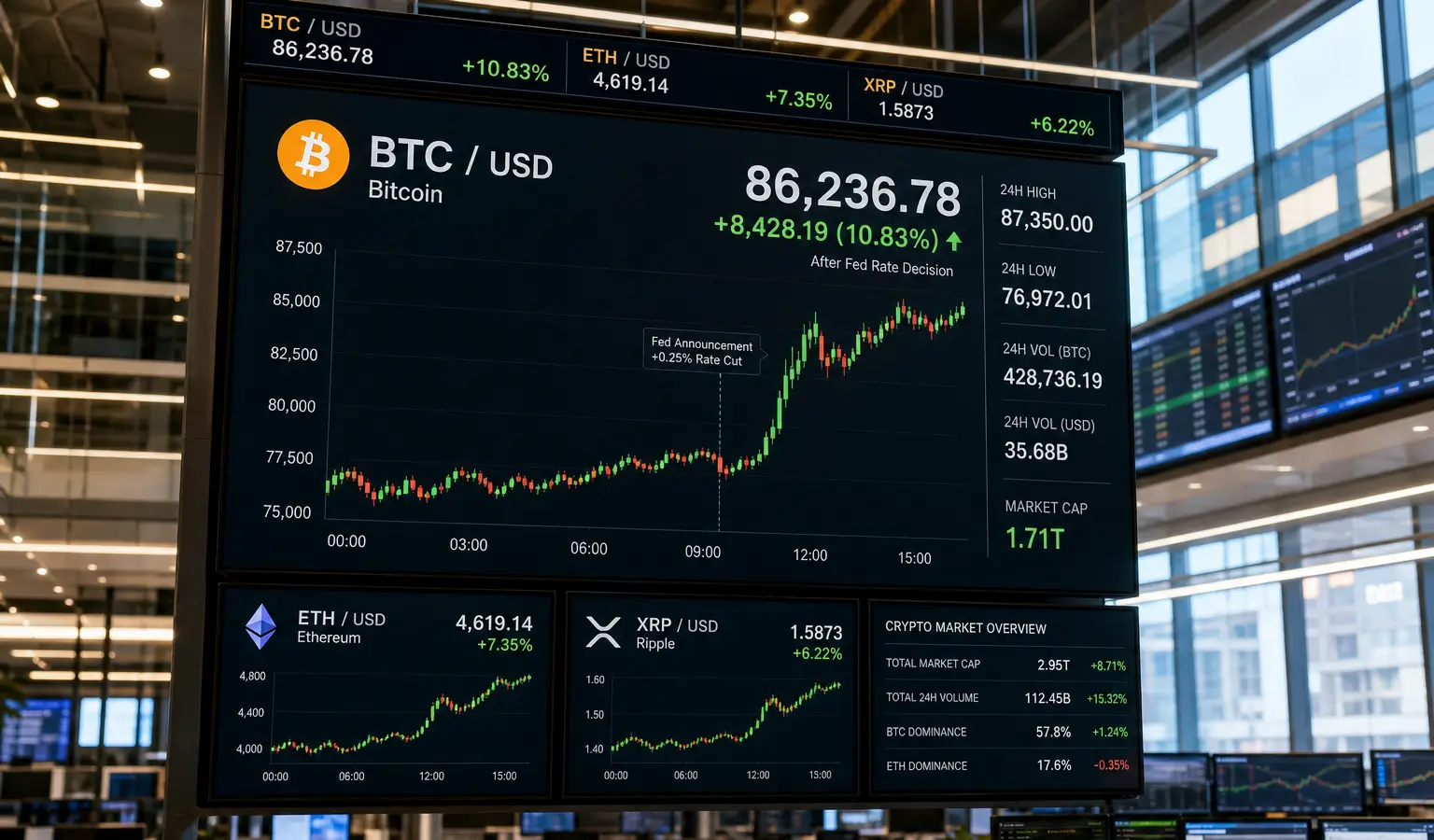
For European investors and market participants, it is important to understand that the ECB’s rate hike does not just have local effects, it also influences U.S. monetary strategy. That could affect currency moves, capital flows, and eventually the crypto market too, where Bitcoin recently posted a drop that lines up with fading expectations for rate cuts. The upcoming Fed meeting will therefore be crucial in setting the next direction for global interest rate policy.