Ethereum and Base End Talks on a Shared Wallet Standard
Ethereum and Base are now each choosing their own wallet design, with consequences for passkeys, account abstraction, and transactions on both networks.

Key Takeaways
- Ethereum and Base have ended talks on one shared wallet standard and are now each working on their own design.
- Ethereum is developing EIP-8141, while Base is moving ahead with EIP-8130, with different choices for approval, payment, and transaction processing.
- Wallets and apps that support both networks may have to implement two different transaction logics, which makes integration more complex.
Ethereum and Coinbase-backed Base have ended talks on one shared standard for the next generation of crypto wallets. The two networks will now each move forward with their own design, which means wallets and apps that work on both chains may soon have to support two different ways to build and approve the same transaction.
Why the Talks Stalled
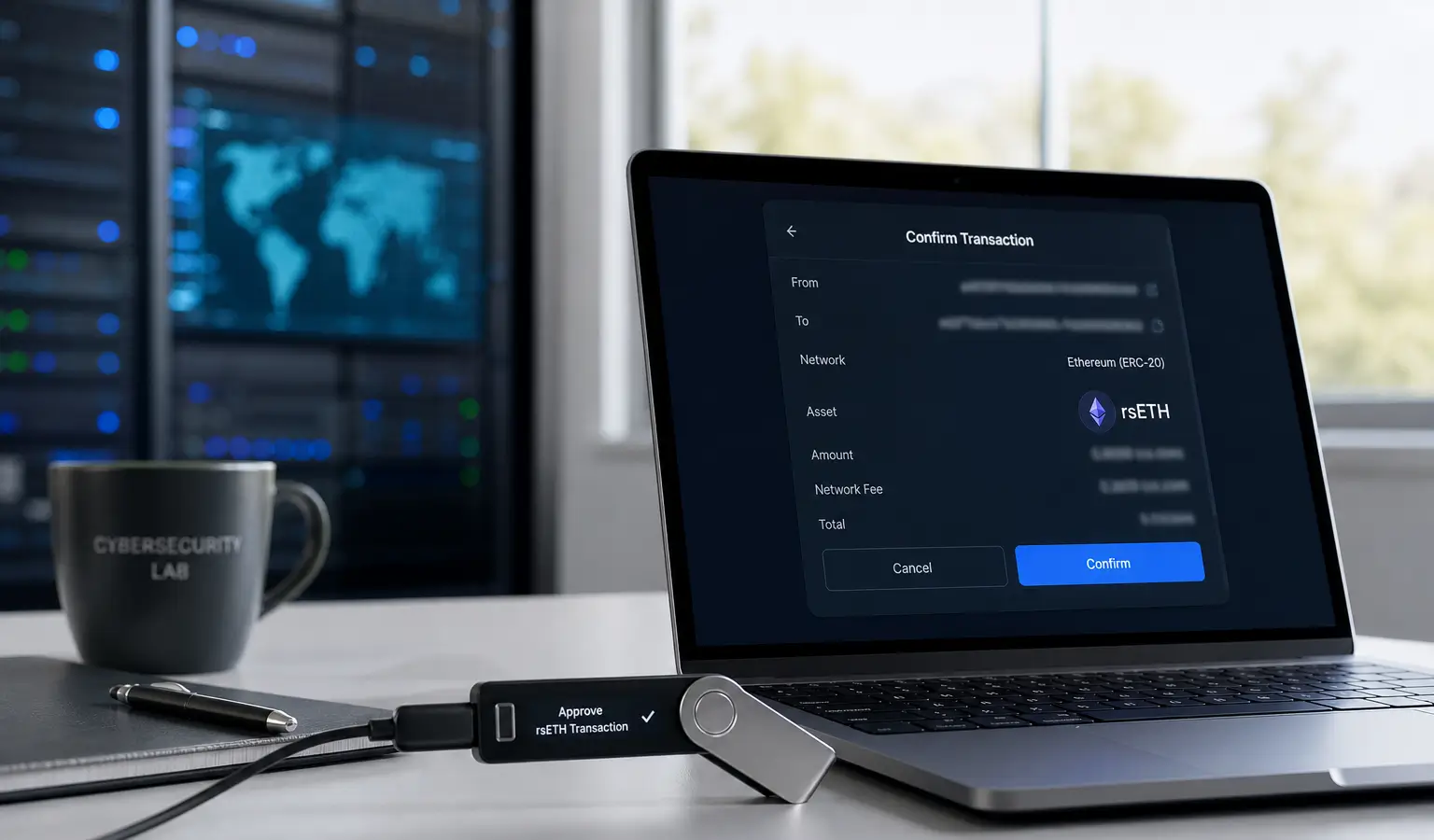
A lot was at stake. The new standard was supposed to make crypto wallets work more like modern apps, with passkey logins, multiple forms of account recovery, letting an app pay transaction fees, and bundling multiple blockchain actions into one transaction. That would also make it less necessary to hold ETH just to pay gas fees.
According to developers on both sides, the compromise eventually became too costly. Ethereum mainly wanted to protect its own priorities, such as privacy, censorship resistance, and security. Base, on the other hand, wanted more room to optimize transactions for high volumes and for applications with compliance requirements. According to Ethlabs developer Derek Chiang, who was involved in the work, the joint efforts stalled last week.
Two Different Paths
Ethereum is working on EIP-8141, also known as Frame Transactions. Base developed a competing proposal, EIP-8130. Both drafts change who can approve a transaction, who pays for it, and what happens afterward.
For Ethereum, EIP-8141 is now getting a spot in Hegotá, the planned upgrade after Glamsterdam. The Ethereum Foundation added the proposal to the list of execution-layer components that should be included with Hegotá this month. That gives it priority, but not a guarantee. EIP-8141 is not running on Ethereum yet.
Base is meanwhile pushing ahead with EIP-8130. That design choice is already available on the Vibenet development network and is part of the Cobalt upgrade. According to the schedule, Cobalt is set for September 23 on Sepolia and September 30 on mainnet. One of the goals of EIP-8130 is native account abstraction, with more freedom to structure transactions differently for different kinds of apps.
What This Means for Wallets
For European crypto users and developers, this is especially relevant because wallets that support Ethereum and Base at the same time will likely have to split their transaction logic. That makes integration more complex, especially for apps that want one consistent user experience across multiple networks.
The debate also ties into a broader trend in the crypto market. Networks are increasingly looking for their own solutions for wallets, fees, and account management, instead of agreeing on one shared standard. Ethereum is also dealing with the fact that the community is looking at post-quantum cryptography, so accounts may later be able to switch to safer signature schemes if needed. Wallets like Phantom also show that providers keep expanding their products with new features, from trading to more advanced account and transaction options.