Ex-Celsius CEO Mashinsky Officially Banned by U.S. CFTC
The U.S. regulator is imposing a permanent trading ban on Mashinsky, on top of his earlier sentence. Here’s what it means for the fallout from Celsius and crypto oversight.

Key Takeaways
- The U.S. CFTC has permanently barred former Celsius CEO Alexander Mashinsky from trading or registering under its oversight.
- The ban follows his earlier conviction, a 12-year prison sentence, a $50,000 fine, and a $48 million restitution order.
- According to the CFTC, Celsius misled hundreds of thousands of customers about the safety and profitability of the platform before the company went bankrupt.
Alexander Mashinsky, the former CEO of the now-bankrupt crypto company Celsius, has officially been barred from doing business with the U.S. Commodity Futures Trading Commission (CFTC). This move follows his earlier conviction and prison sentence for fraud.
Formal Trading Ban by the CFTC
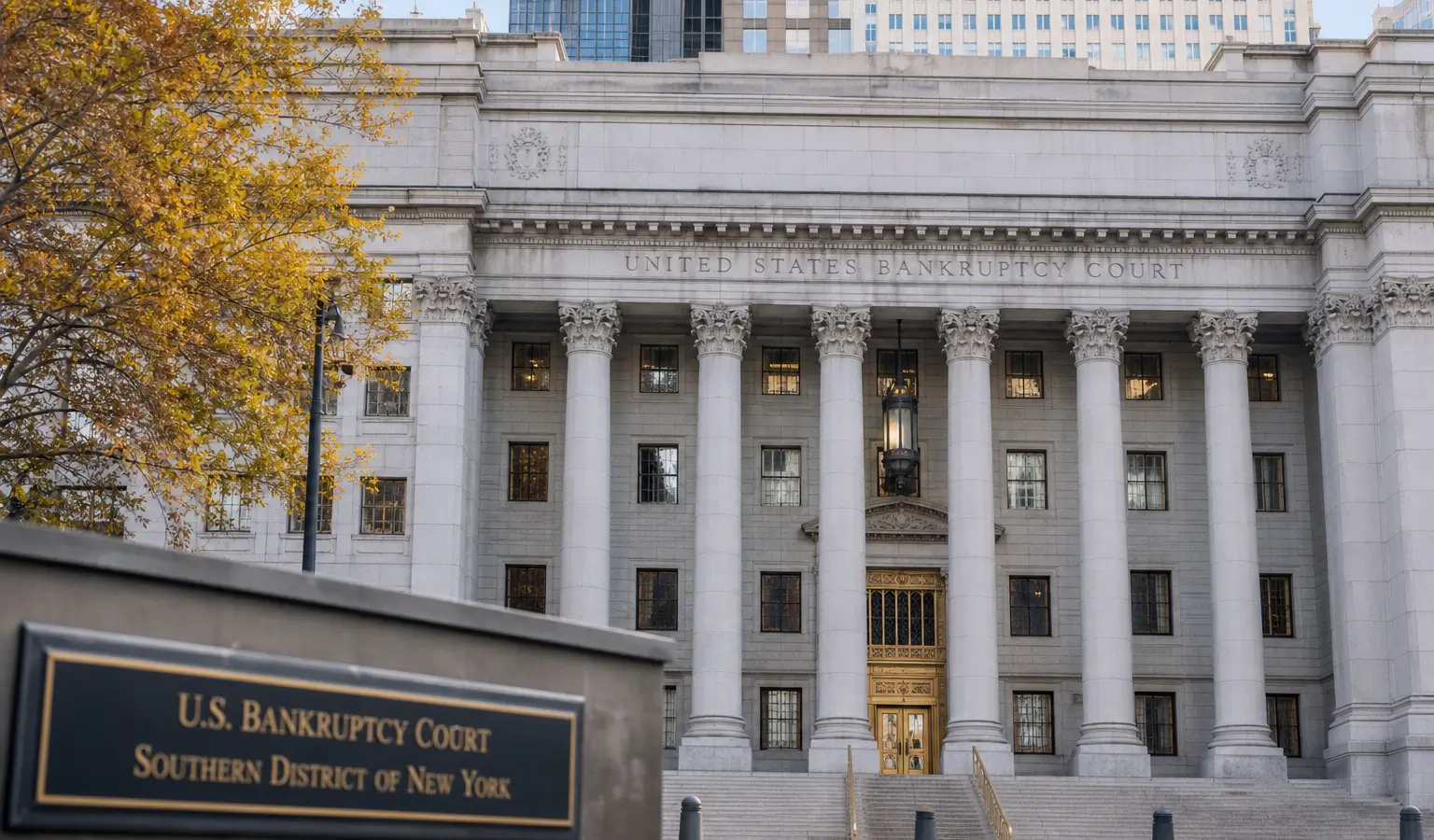
The CFTC has permanently banned Mashinsky from registering or trading under its oversight. The ban was officially filed on Thursday and approved by a judge in the Southern District of New York. No new fines were handed down, but the decision adds to his earlier punishment of 12 years in prison, a $50,000 (€43,600) fine, and the requirement to pay back $48 million (€41.9 million).
According to the CFTC, Mashinsky and Celsius ran a scam that misled hundreds of thousands of customers about the safety and profitability of the platform. While Celsius kept telling customers their funds were safe and earning interest, the company suffered massive losses that eventually led to bankruptcy.
Celsius Background and Impact on the Crypto Market
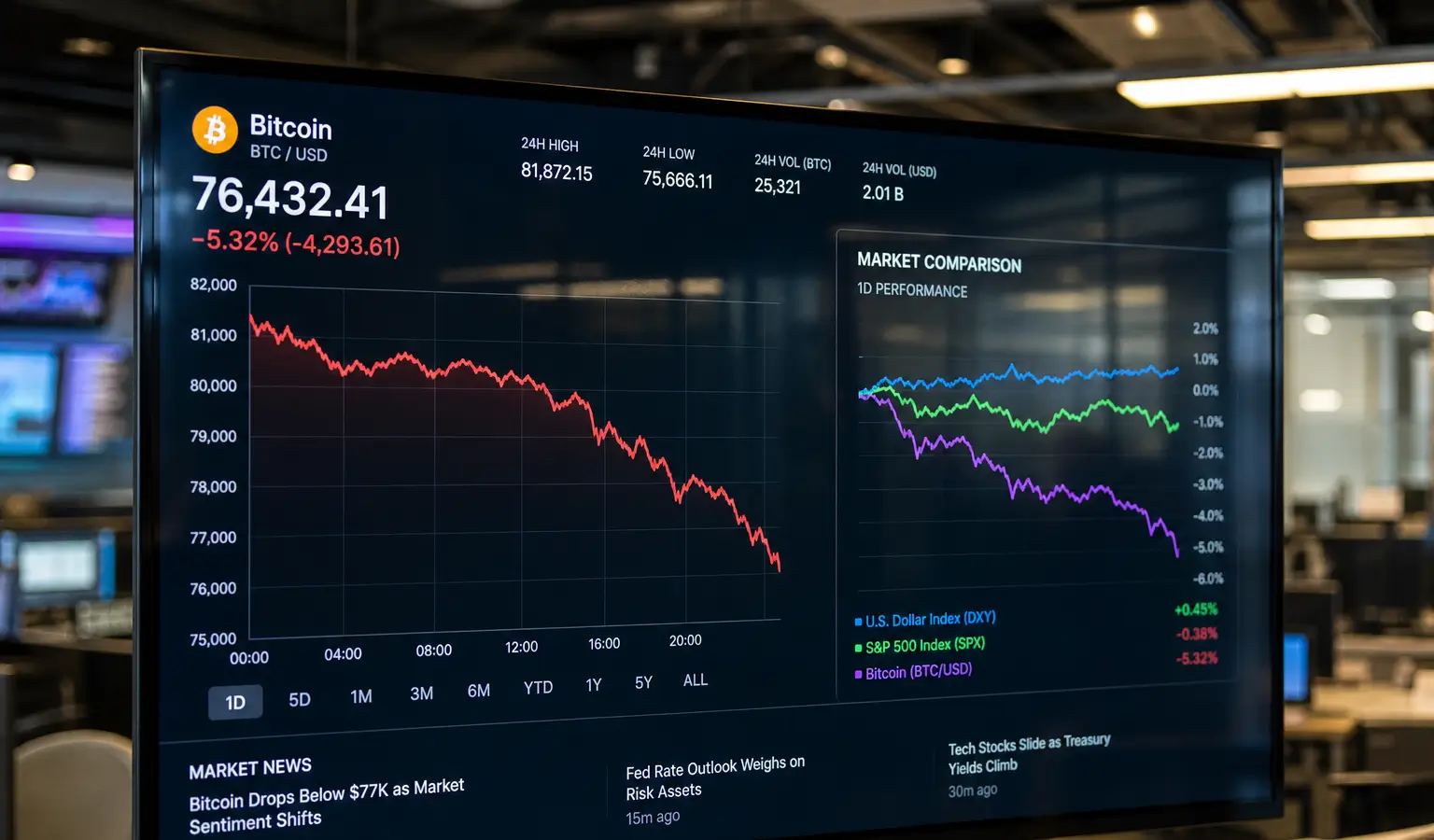
Celsius Network, founded in 2017, let users deposit cryptocurrencies and earn interest on them. In June 2022, the platform suddenly stopped all withdrawals and transfers because of extreme market conditions, which came as Bitcoin and other assets dropped sharply. Soon after, Celsius filed for bankruptcy, with debts more than $1 billion higher than its assets.
Celsius's collapse was part of a broader wave of bankruptcies across the crypto sector that badly hurt market confidence. In addition to criminal charges from U.S. authorities, Celsius was also sued by the Securities and Exchange Commission (SEC) for fraud and for offering unregistered securities.
Why This Matters for European Crypto Investors
While the CFTC's penalties are specifically aimed at the United States, they highlight the importance of transparency and compliance with regulation across the crypto sector worldwide. European investors can take this as a sign that regulators are cracking down hard on misleading practices and fraud, which could also affect how crypto companies are regulated in Europe. This development underscores the growing oversight of crypto activity and the importance of careful due diligence by investors.