Hester Peirce Leaves the SEC After Years of Pushing for Crypto
Peirce was one of the SEC’s loudest voices calling for clear crypto rules. Her departure could slow the U.S. approach to tokens, staking, and tokenization.
Key Takeaways
- Hester Peirce will leave the U.S. SEC on October 2 after years as a prominent advocate for crypto.
- She worked on clearer rules for tokens, mining, staking, and memcoins within the SEC Crypto Task Force.
- The SEC published a new crypto FAQ on Friday and, under Peirce, worked on an innovation exemption for tokenized securities.
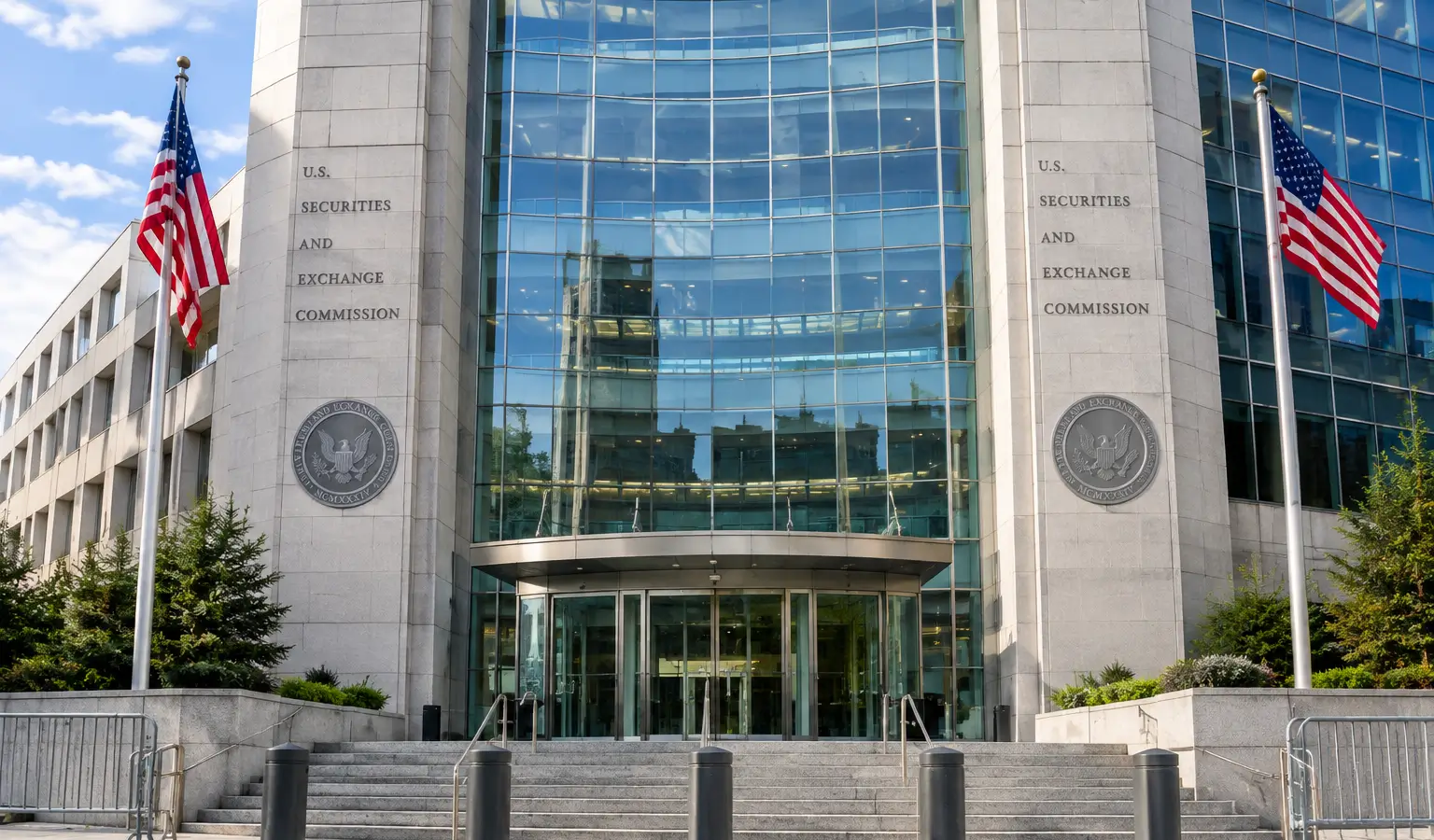
Hester Peirce, for years one of the best-known crypto advocates inside the U.S. SEC, will leave on October 2. Her departure marks the end of a period in which she kept pushing for clear rules for the industry, even as the regulator mostly chose enforcement and lawsuits.
End of a Long SEC Chapter
Peirce, often called “Crypto Mom” in the industry, announced her departure in a resignation letter she shared on X on Friday. She worked on crypto issues under both Republican Jay Clayton and Democrat Gary Gensler, but only got real room to build rules under President Donald Trump. Later, she also took charge of the SEC’s new Crypto Task Force.
That task force was set up to give more direction to how crypto is handled inside the regulator. In practice, her work mostly focused on clearer definitions for tokens, mining, staking, and memcoins, and on which regulator is responsible for what.
New Rules and Questions
The SEC took another step in that same area on Friday with a new crypto FAQ. In it, the regulator tries to explain when marketing tokens or making changes to software can count as “essential managerial efforts,” and how staking receipt tokens should be judged.
The so-called innovation exemption also took shape under Peirce. That approach is meant to make tokenized securities possible during a limited five-year trial period without immediately running into heavy securities rules. It is one of the clearest signs that the SEC, under her influence, was looking for more room for tokenization and wanted to build a bridge between crypto and the traditional financial market.
That fits with the SEC’s broader direction, which is also making room for tokenized products elsewhere. For example, tokenized stocks recently got their own legal path, although the question remains how big market demand will eventually be.
What This Means for Europe
For European crypto followers, Peirce’s departure matters mainly because the SEC still has a big influence on how international projects structure their tokens, listings, and products. If the commission is left with only two members, that could slow the pace of new policy even more. That makes the U.S. debate over crypto rules important outside the U.S. too, especially for firms already preparing for stricter and more formal token classifications.