How Europe Can Benefit From Strict Crypto Regulation in the U.S.
The U.S. is cracking down on the crypto sector.

The U.S. is cracking down hard on the crypto sector. The European Union could see this as an opportunity. But will it actually happen?
The U.S. is currently taking a hard line against the crypto sector. Lawsuits are being filed against crypto firms like Kraken, long-awaited licenses like Paxos are being denied, and banks like Signature are being pressured not to do business with crypto firms. Meanwhile, one could speak of a coordinated campaign against the crypto sector by the U.S. Treasury, the Federal Reserve, and the U.S. securities regulator.
MiCA as an Advantage?
So far, too much regulation has seemed mainly a problem inside the European Union, while the U.S. has typically allowed developments. Time and again there have been absurd proposals — think of the proposed ban on proof-of-work in the MiCA talks — that made the crypto sector tremble in Brussels. So far, the worst-case scenarios have not materialized.
Some plans in the EU are unrealistic, such as the excessive reporting requirements for crypto transactions. Of course, note that MiCA won't go into effect until next year and we won't be fully confronted with the consequences until then. Especially since further adjustments and amendments to MiCA are expected.
One question that arises from the current situation, though, is whether Europe and the EU can profit from what's happening in the U.S.?
Can the European Union boost its crypto competitiveness?
With MiCA, the EU provides more clarity on regulation that the U.S. still lacks. Especially since the exclusion of foreign competition in the U.S. is currently hitting non-U.S. players hard and targets firms like Binance. It seems the U.S. is cracking down on companies not based in the U.S. If the EU can provide clarity that the U.S. currently lacks, that could give a competitive edge.
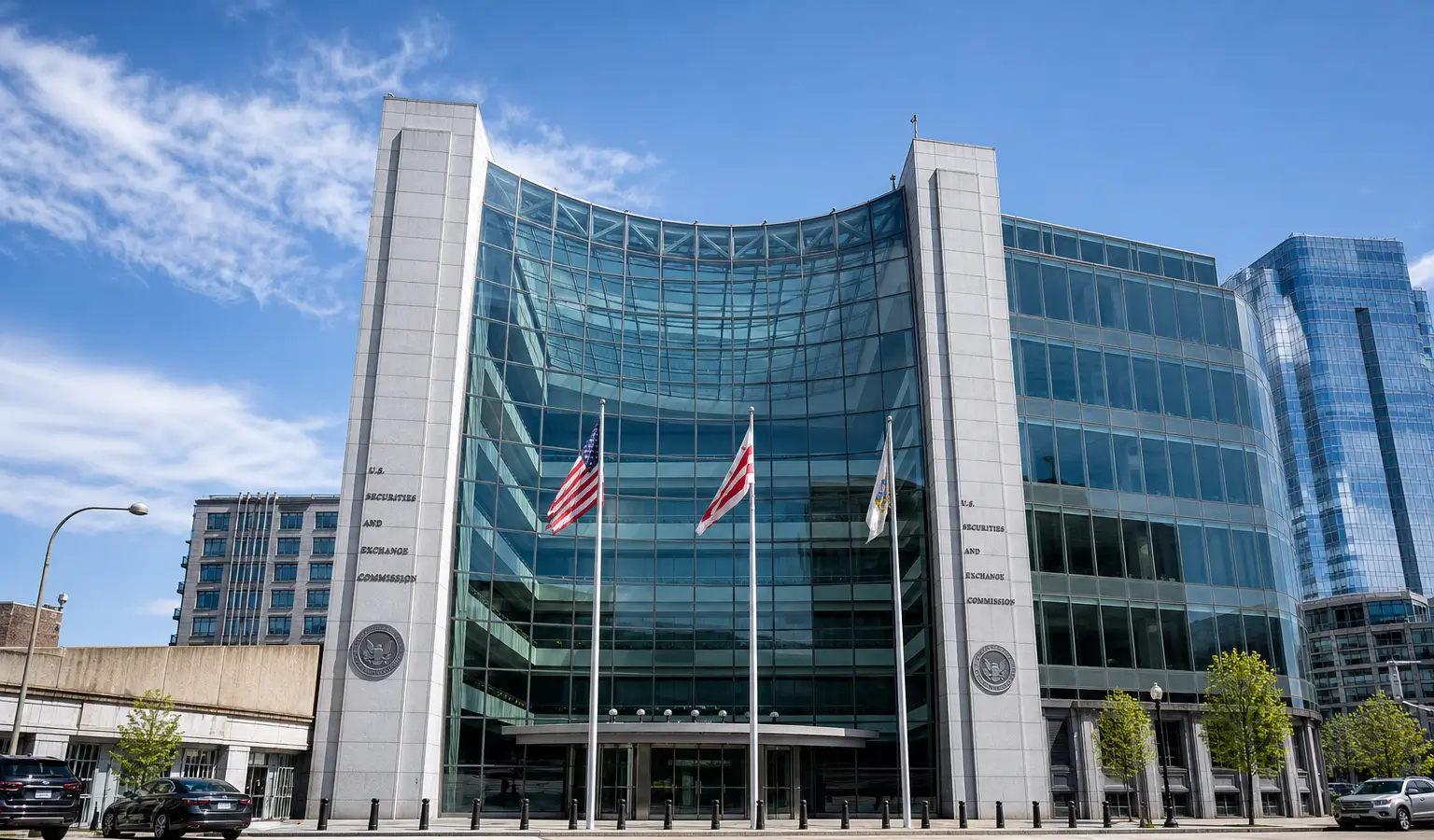
Also the nerve-wracking debate at the U.S. Securities and Exchange Commission (SEC) over whether certain cryptocurrencies or crypto services, like staking, fall under its oversight and regulation, is creating ongoing uncertainty in the sector. Besides the EU, the UK, Dubai, Singapore, and Switzerland could especially benefit.
Lack of Appetite for Crypto
Whether the EU will seize its chance is another matter. It is heavily influenced by what happens in the U.S., even if Brussels doesn’t like to admit it. In other words, if the U.S. cracks down on the crypto sector, it won’t be coming from the EU to take a permissive stance toward crypto.
The chance to signal openness to crypto services at this stage would be the job of European politicians and officials. Unfortunately, that’s exactly what won’t happen. Other jurisdictions are better at welcoming and even attracting industries than the European Union right now.
Coincidentally, last week a bill was published by the EU Parliament that would impose a strict approach on banks in the EU for crypto services and business relations with crypto firms.
Tough Hand and Institutional Approval
At first glance, such plans may look negative for the crypto sector. On the other hand, one should not forget that the biggest hurdle to institutional approval is regulatory uncertainty. This applies to both the U.S. and the EU. It’s also one of the reasons many banks remain very hesitant to adopt crypto.
If authorities create certainty now, even if it’s harsh, it could ultimately lead to decisive clarity for institutional players. Looking at Bitcoin’s price, you could argue it’s better to have strict regulation than none, because in the latter case big money from institutional players would stay away.