Hyperliquid and Phantom Urge CFTC to Loosen DeFi Rules
HPC and Phantom want the CFTC to stop treating software and self-custody wallets like financial intermediaries. That could shape U.S. DeFi rules and the role of onchain infrastructure.
Key Takeaways
- Hyperliquid Policy Center and Phantom are urging the CFTC to update DeFi rules and avoid treating onchain infrastructure like a traditional financial intermediary.
- They say developers who build protocol software should not be automatically classified as operators of exchanges or clearinghouses, but as technology builders.
- The groups also want non-custodial wallets formally recognized, which would give self-custody providers more legal clarity.
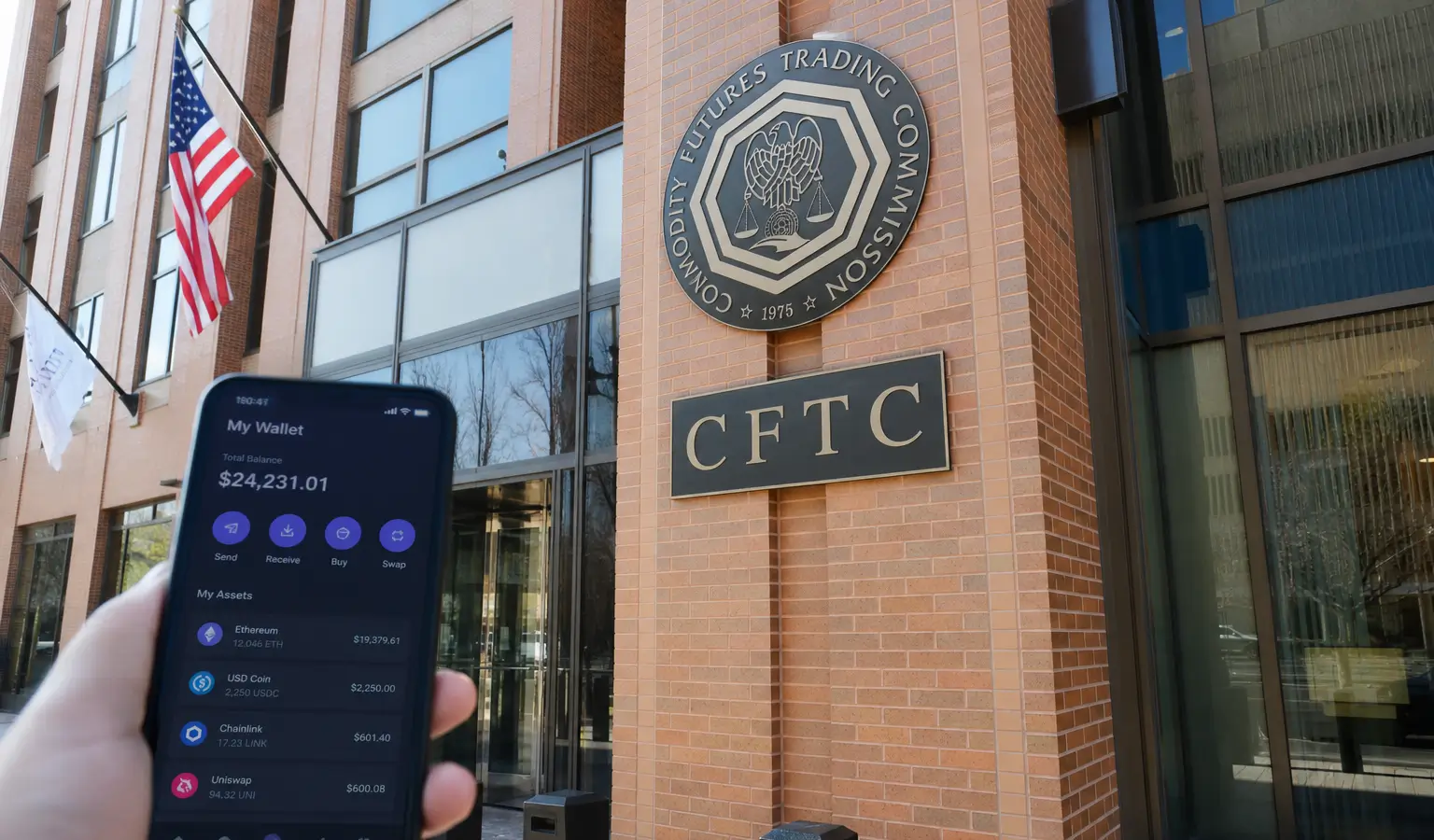
Hyperliquid Policy Center and wallet provider Phantom have asked the U.S. CFTC to update the rules around decentralized finance, or DeFi. In a joint response to the regulator’s request for input on financial technology, they argue that onchain infrastructure should not be treated the same way as a traditional financial intermediary.
Focus on Software, Not Intermediaries
HPC and Phantom say developers who release onchain protocol software should not automatically be labeled as operators of exchanges or clearinghouses. They want the CFTC to draw a firm distinction between building technology and providing regulated financial services.
In practice, that would mean software builders would not be subject to the same rules as entities that actually execute trades or hold customer funds. The filing makes that point by comparing them to software engineers who build trading systems for traditional exchanges, even though those engineers are not regulated as financial intermediaries themselves.
The two groups are also asking for a framework that lets registered exchanges and clearinghouses use onchain infrastructure without giving up their existing obligations. That fits into a larger U.S. debate over how regulators should handle DeFi as it becomes more connected to traditional market infrastructure.
Self-Custody Gets More Weight
Another key issue is non-custodial wallets. HPC and Phantom argue that wallet providers do not hold customer assets or carry out transactions on users’ behalf, so they should not be treated as financial intermediaries. The CFTC has already issued no-action letters to self-custodial wallet providers like Phantom Technologies, with conditions that include not taking custody of assets, not giving direct buy or sell instructions, and not deciding how orders are routed or executed.
They want those earlier exemptions turned into formal rules. If that happens, other self-custody wallet providers in the U.S. could get more legal clarity, while the regulator still keeps oversight over regulated markets.
Why This Matters for Europe
For European crypto readers, the bigger point is that the U.S. approach to DeFi often influences how global firms design their products and compliance strategies. If the CFTC draws a clearer line between software, wallets, and regulated intermediaries, that could shape how companies structure their onchain services in other markets too. It also underscores how self-custody and blockchain infrastructure are becoming a bigger part of the broader debate over crypto oversight.