Hyperliquid Faces Backlash After MAS Warning Over Permissionless Claims
Singapore’s regulator has added Hyperliquid to its Investor Alert List, while Kyle Samani questions the DEX’s permissionless claims and governance model.
Key Takeaways
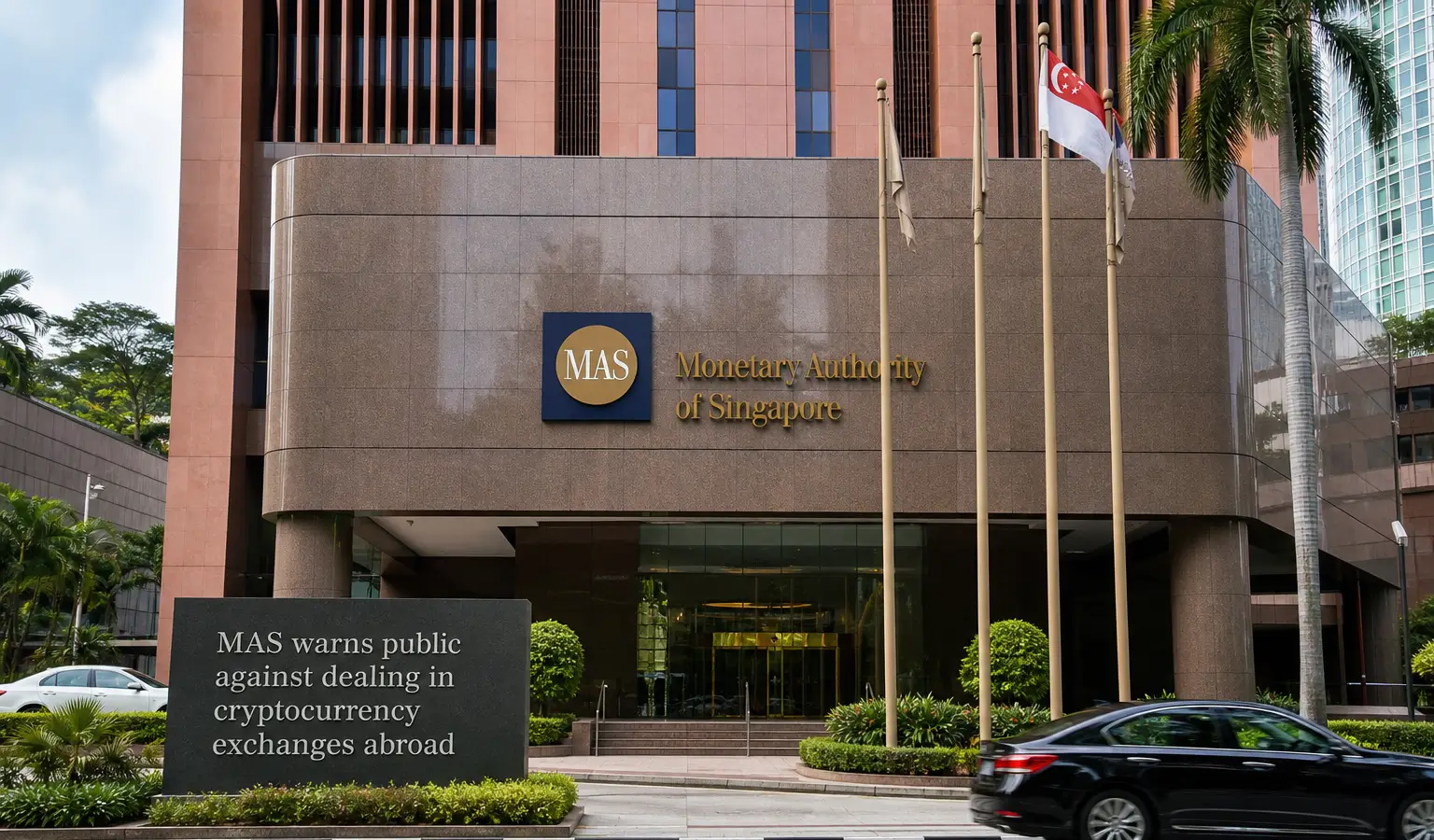
- The Monetary Authority of Singapore added Hyperliquid to its Investor Alert List.
- Kyle Samani says Hyperliquid is misleading users about whether the platform is truly permissionless.
- The dispute raises broader questions about decentralization, governance, and institutional trust.
The Monetary Authority of Singapore (MAS) has Hyperliquid on its Investor Alert List, prompting criticism from investor and entrepreneur Kyle Samani. He says the platform is misleading users with its claim that it is permissionless, arguing that the label does not hold up.
MAS Warns About Hyperliquid
MAS added Hyperliquid to a list of entities that could be mistaken for firms that are regulated or approved by the watchdog. The notice is not a ban, but it does mean Singapore users may have limited protection if something goes wrong. Bybit previously received a similar warning as part of a wider push to tighten oversight of offshore crypto exchanges that remain accessible to Singapore residents.
Criticism of Decentralization and Governance
Samani argues that Hyperliquid does not meet the core standards of a permissionless system. In his view, a protocol should be open source and its validators should be spread across different regions, rather than concentrated in one place. He also points to governance concerns, saying the Hyperliquid Foundation can remove validators without explanation and force software upgrades, which leaves node operators with less control over their own infrastructure.
At the moment, the network has 24 active validators, with plans to increase that number slightly to 27. The node software is distributed as a signed binary instead of full open source code. The team plans to open source it after the HyperCore platform is complete.
Impact on Users and Market Position
The question of how decentralized Hyperliquid really is, combined with the MAS warning, could weigh on institutional confidence in the platform. How it responds to the criticism and the regulatory pressure may end up shaping its standing in the crypto market. More broadly, the MAS notice reflects a wider trend of tighter rules for crypto companies that serve Singapore investors.