Hyperliquid Faces Singapore Scrutiny After MAS Warning
MAS does not see Hyperliquid as supervised, despite its registration in Singapore. The warning raises questions around DEX rules, and the HYPE token fell 3%.
Key Takeaways
- Hyperliquid confirmed registration in Singapore, but MAS does not see the platform as part of its supervision.
- The Singapore regulator placed Hyperliquid on its crypto warning list on June 26.
- The HYPE token fell 3% in 24 hours to $91.64, while Hyperliquid did not apply for an MAS license.
Hyperliquid has confirmed that it is registered in Singapore, but the Singapore regulator does not see the platform as part of its supervision, according to a Financial Times report. The case puts the spotlight on how a decentralized crypto platform fits within existing rules, especially since the HYPE token fell 3% in 24 hours to $91.64 (€81).
MAS Puts Hyperliquid on List
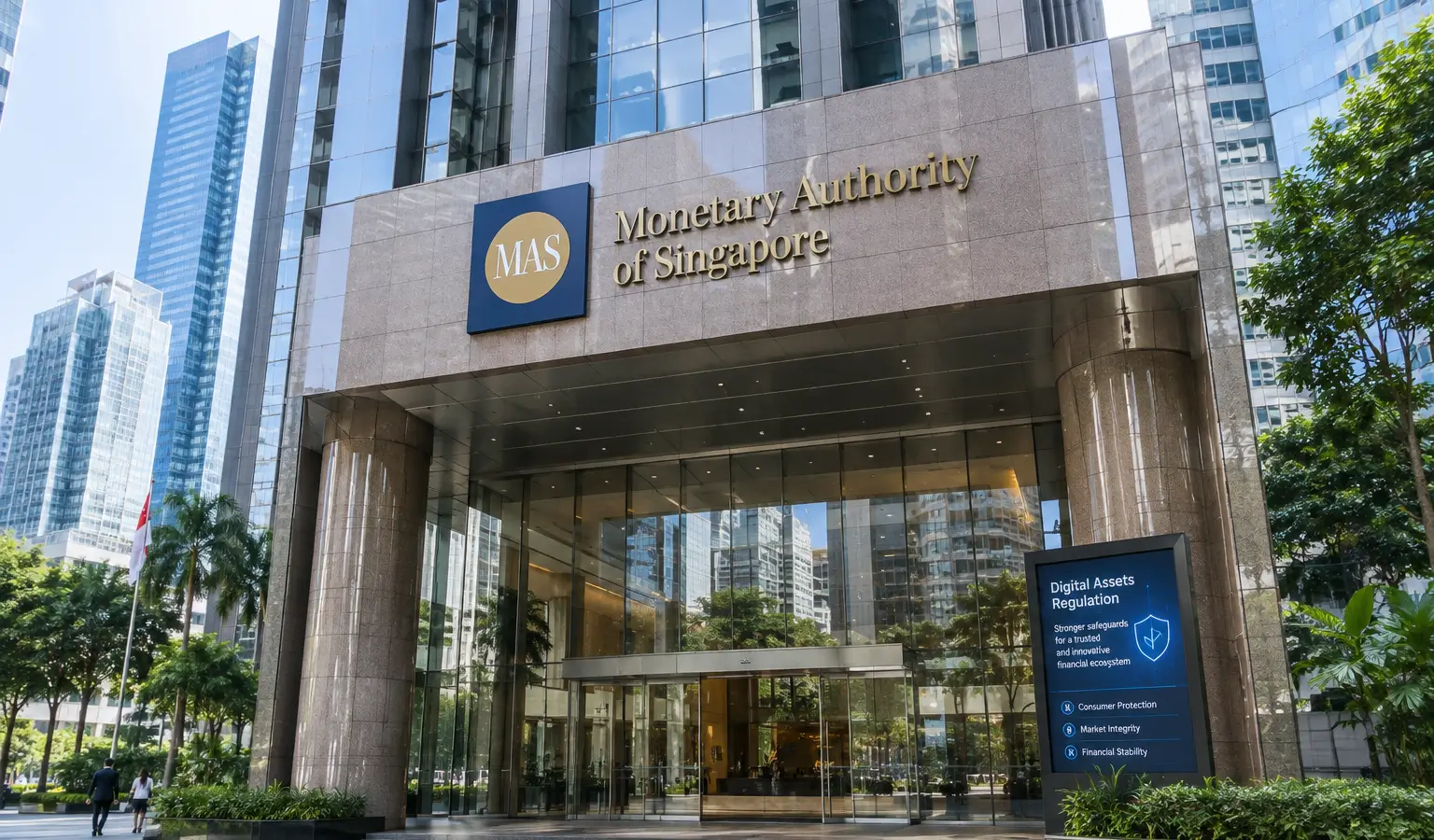
The Monetary Authority of Singapore, the country's central bank and regulator, placed Hyperliquid on its crypto warning list on June 26. That list is meant for firms that the public might wrongly think are supervised by MAS.
That is not a ban, but it is a clear warning. Hyperliquid said it provides permissionless infrastructure and that users keep control of their own funds. According to the FT report, that decentralized setup is exactly why MAS does not see the company as falling under its jurisdiction.
No License Applied For
Hyperliquid has a team of about 11 people that moved to Singapore in 2024, led by co-founder Jeff Yan. Still, the company never applied for an MAS license.
That distinction matters, because Singapore has tightened the rules for crypto companies further in recent years. MAS previously set a June 30, 2025 deadline for local companies serving only overseas customers: they had to apply for a license or shut down. The regulator also said those licenses are usually not granted in practice.
According to the law CMS refers to, this includes running an exchange, brokering transactions, and holding customer funds. Hyperliquid says transactions are settled on-chain while users keep their own funds.
Why This Matters for Traders
For European crypto readers, this case shows how big the difference can be between registration, a warning, and real regulation. Being added to a warning list does not automatically mean a platform is banned, but it does mean users should pay extra attention to the legal status of a service.
That matters more broadly now that regulators around the world are taking a harder look at crypto exchanges and decentralized platforms. In the United States, the CFTC is meanwhile asking for feedback on new trading rules, partly pointing to the $8 billion (€7.1 billion) FTX fraud as a reason to step in earlier. Hyperliquid's broader growth as a trading platform is also drawing attention; the SEC previously spoke with parties around the protocol about the rules for onchain derivatives.