U.S. Congress Investigates Hyperliquid, Crypto.com, and PredictIt
The House of Representatives is asking Hyperliquid, Crypto.com, and PredictIt about their controls for suspicious trading. The case follows a large BTC and ETH short around Trump’s tariff announcement and adds pressure on prediction markets.
Key Takeaways
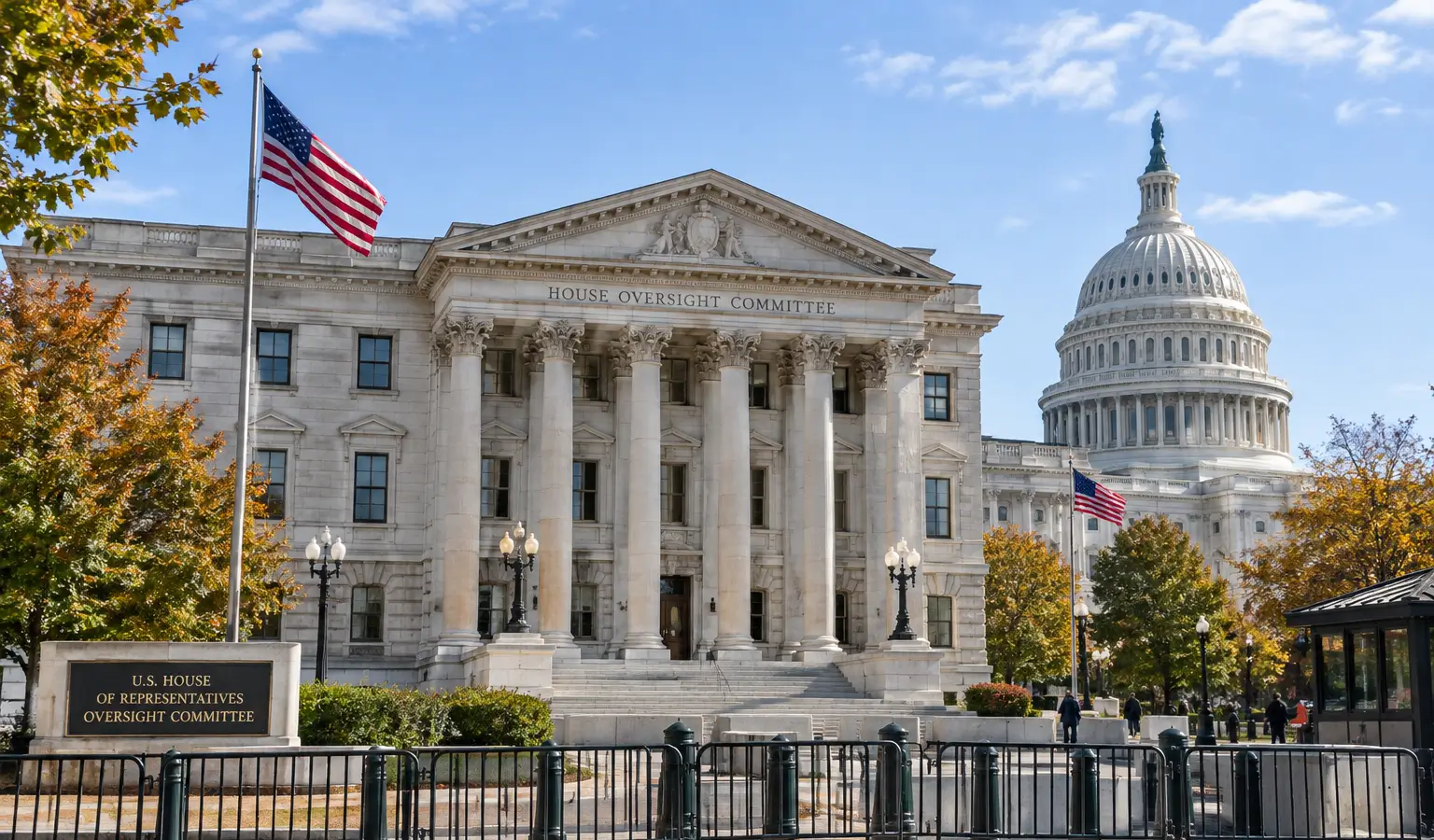
- The U.S. House of Representatives is investigating Hyperliquid, Crypto.com, and PredictIt for possible insider trading on prediction markets.
- The trigger is a large short on Hyperliquid that may have been opened just before Trump’s tariff announcement on China.
- Chairman James Comer is asking how the platforms detect suspicious trading and what identity checks they use.
The U.S. House of Representatives is expanding its investigation into possible insider trading on prediction markets to Hyperliquid, Crypto.com, and PredictIt. The trigger is a notable short on Hyperliquid that, according to Chairman James Comer, had already been placed before President Donald Trump posted his message on October 10, 2025, about 100% tariffs for China.
Comer wants to know from the three platforms how they detect suspicious trading and what identity checks they use. According to him, the case fits into a broader investigation into trading based on nonpublic information, something regulators in the U.S. are watching more closely.
The Hyperliquid Short
The most closely watched short that day was about $1.1 billion (€1 billion) in Bitcoin and Ether, according to an analysis by Investing.com. The wallet reportedly added to it one minute before Trump’s message. After that, the position reportedly generated more than $150 million (€132 million), while $19 billion (€16.7 billion) in leveraged bets was wiped out, according to the same analysis.
On-chain researchers linked the wallet to Garrett Jin, the former CEO of BitForex. Jin denied insider trading and said he was trading for a client. On Hyperliquid, every trade is visible on the blockchain, but the person behind the wallet is not. That makes the debate over identity and oversight especially sensitive.
More Pressure on Prediction Markets
Comer’s move did not come out of nowhere. The CFTC warning about reward programs already showed that regulators are watching prediction markets more closely for possible manipulation and compliance risks. The CFTC has also labeled insider trading on prediction markets as a major enforcement priority. There, too, using material nonpublic information is not treated any differently than in other markets.
Under political pressure, Kalshi and Polymarket have already introduced new rules to prevent abuse. Kalshi now bans political candidates from trading in their own campaigns, among other things, and places restrictions on people directly involved in college or pro sports.
Why This Matters
For European crypto followers, this case shows how quickly the line between crypto, derivatives, and traditional market oversight is blurring. Platforms like Hyperliquid run on public blockchains, but the question of who is behind a wallet is still hard to answer. That is exactly why the outcome of this investigation could matter for how regulators in the U.S. and beyond look at prediction markets and identity checks.