El Salvador Backs Stablecoin App Sivar Over Bitcoin
The government is choosing digital dollars through Coinbase’s Base with Sivar, while Bitcoin mostly remains a reserve asset. The move fits the broader shift toward stablecoins for payments and remittances.
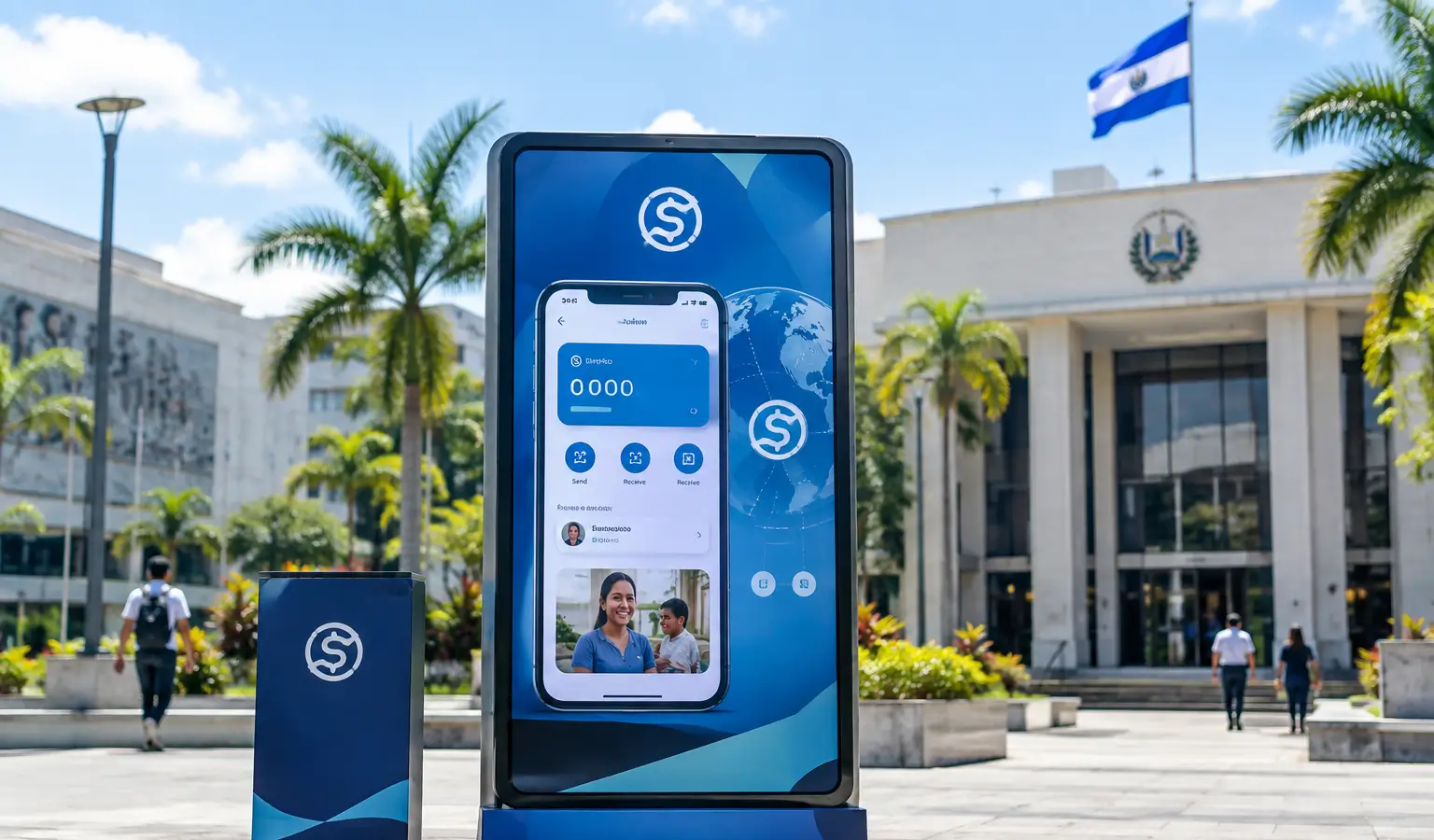
Key Takeaways
- El Salvador is now backing the government app Sivar, which uses stablecoins for digital payments and leaves Bitcoin mainly as a reserve asset.
- Sivar was built by Modveon, runs on Base, and requires verification with a government ID before users can send and store money.
- The country was the first to make Bitcoin legal tender in 2021, but it is now shifting toward stablecoins for everyday payments and transfers.
El Salvador is taking another step away from Bitcoin as an everyday payment method and is now backing a government app that runs on stablecoins. The Sivar app is meant to let residents send and store digital dollars, while Bitcoin is mostly left as a reserve asset.
Sivar Replaces the Bitcoin Approach
According to Bloomberg, Sivar was built by Modveon, a Palo Alto startup that came out of stealth on Tuesday. Payments run through Base, a blockchain network from US crypto exchange Coinbase. Users first have to verify themselves with a government ID. After that, they are placed into local groups based on where they live.
The app goes beyond payments alone. Users can send money, post messages, and take part in live polls. Salvadorans living abroad can also use it to vote in local elections. Modveon CEO Nana Murugesan says El Salvador is the company’s first national rollout. The contract runs for five years and is worth several million dollars, although the company did not disclose the amount.
From Bitcoin Law to Stablecoins
In 2021, El Salvador became the first country in the world to make Bitcoin legal tender. That move was meant to boost financial inclusion and attract foreign investment. Now, President Nayib Bukele’s government seems to be leaning more toward a more stable form of crypto, namely tokens tied to the value of the dollar.
That shift also fits a broader trend. Stablecoins are being used more often worldwide for remittances because they are less volatile than regular crypto. For a country where money from family members abroad matters, that can be practically appealing.
Why This Matters Outside El Salvador
The move shows how countries are increasingly treating crypto by use case. Bitcoin can still hold a reserve role, while payments and transfers shift toward stablecoins. For European readers, that matters because it shows how governments and companies are using crypto for everyday payments instead of just as an investment tool.
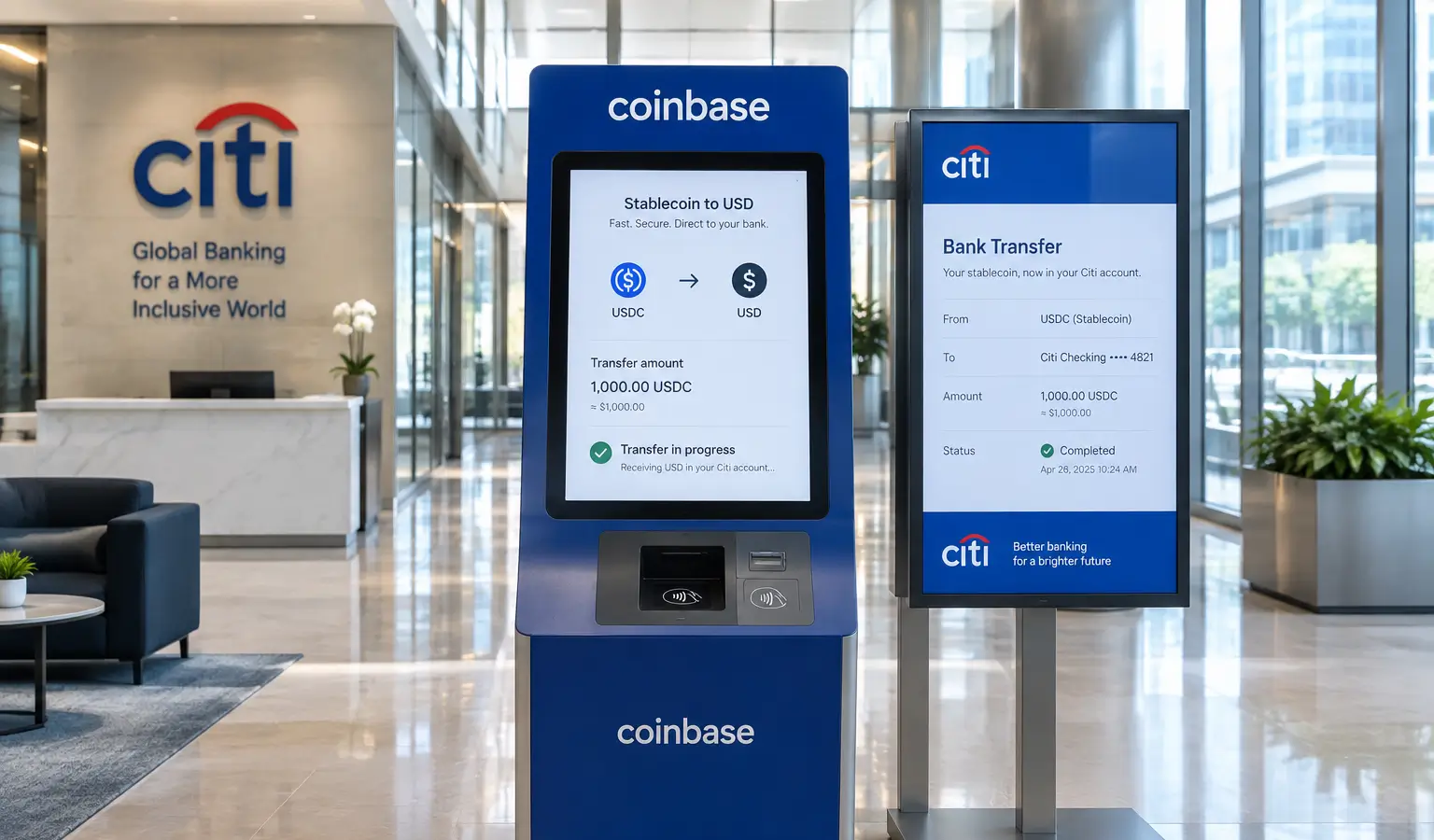
The role of international institutions is still visible here too. In September 2026, El Salvador stopped buying Bitcoin and handed over the Chivo Wallet to a private party, after pressure from the IMF. That highlights how national crypto policy is often tied to broader financial agreements and outside funding. Attention is also shifting to practical uses elsewhere: major banks and exchanges are now working on stablecoin payments at the checkout, showing how quickly this market is moving toward regular payment traffic.