Inflation Hits a Three-Year High, but the Impact on Bitcoin Is Still Unclear
Higher U.S. inflation raises the odds of tighter Fed policy, which could put pressure on Bitcoin. The market is now watching for the first signals from Kevin Warsh.

Key Takeaways
- U.S. inflation rose to 4.2% in May, the highest level in three years.
- Higher energy prices and more expensive gasoline were major drivers of the inflation increase.
- Bitcoin is trading around $62,000, while rate expectations and Fed policy are putting pressure on risk assets.
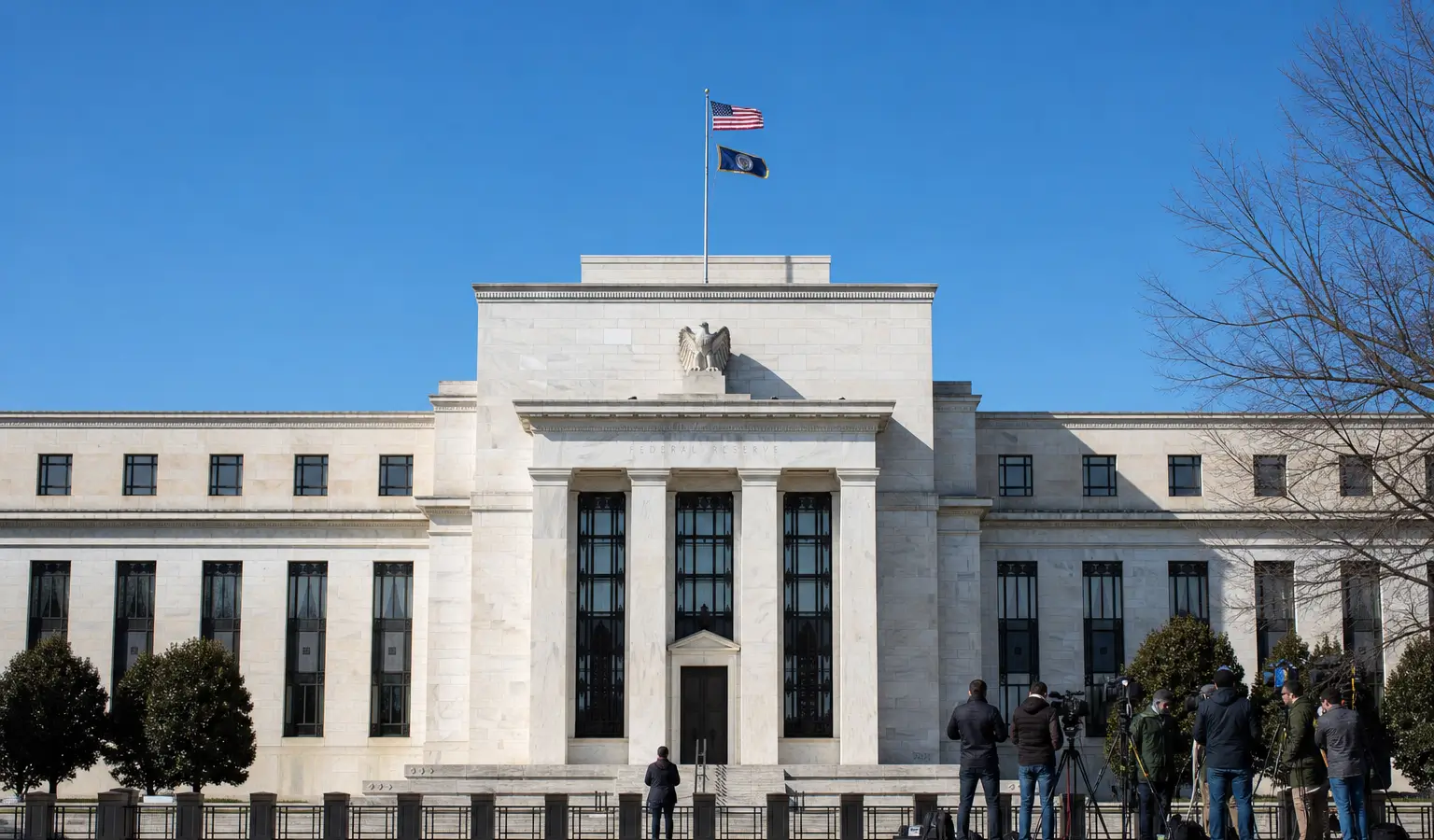
Inflation in the United States rose in May to its highest level in three years, with the consumer price index (CPI) coming in 4.2% higher than a year earlier. This comes just one week before the Federal Reserve's policy meeting under new chair Kevin Warsh. Rising inflation and the related expectations for rate hikes are putting pressure on risk assets like Bitcoin.
Energy Prices Are Pushing Inflation Higher
The recent jump in inflation was mainly driven by higher energy prices. In May, they rose 3.9%, after increasing 3.8% in April. The average gas price is now around $4.15 (€4) per gallon, well above the $2.98 (€3) level at the start of tensions between the U.S. and Iran in late February. At the same time, real wages fell for the second month in a row, pointing to weaker buying power despite inflation.
Impact on the Federal Reserve and Bitcoin
Persistent inflation makes things tough for President Trump, who had previously pushed for lower interest rates. The market now sees a more than 70% chance of a rate hike before the end of 2026, although the Fed will likely keep rates at 3.5% to 3.75% next week. Higher interest rates usually strengthen the dollar and bond yields, which can pull capital away from non-yielding assets like Bitcoin.
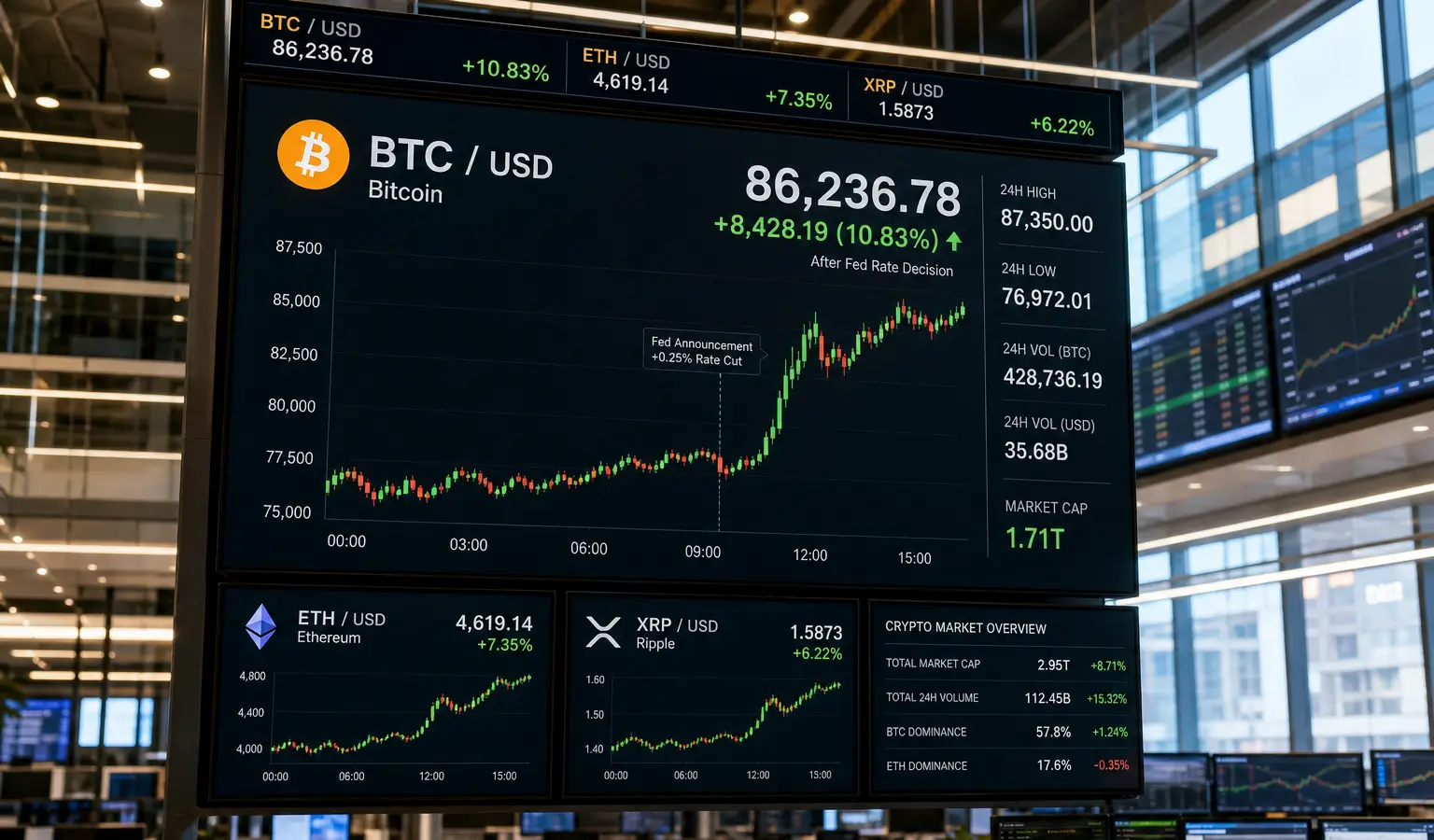
Bitcoin is currently trading around $62,000 (€53,700), which is almost 24% lower than a month ago and about 51% below its all-time high. New Fed chair Kevin Warsh, who is known for his critical view of quantitative easing and inflation risk, is inheriting a tough setup with rising prices and falling real incomes. His policy choices could make the macro headwinds for Bitcoin even stronger this summer.
Why This Matters for European Crypto Investors
For European crypto investors, it is important to keep an eye on U.S. inflation and monetary policy. Federal Reserve decisions often have global effects on currency markets and risk assets. Rising rate expectations in the U.S. could also affect the European crypto market, as investors may adjust their portfolios in response to changing macro conditions.