IRS Warns AI Is Outpacing Regulators
AI agents are already processing millions of small payments on Base and Solana, while the IRS and other regulators are still looking for the right approach to oversight and liability.
Key Takeaways
- The U.S. IRS warns that AI systems are growing faster than regulators can keep up with.
- BeInCrypto tracked 6.4 million x402 transactions on Base and Solana between July 23 and August 26, worth a combined $119,947.
- The IMF and the U.K. FCA are also looking for new frameworks for AI payments, which matters for European crypto and fintech firms.
AI systems are already processing millions of payments, while regulators still are not responding at the same pace. During a panel in New York, Dottie Romo, Chief Risk and Control Officer at the U.S. IRS, warned that this gap could become risky as AI agents gain more control over money flows.
AI Payments Are Growing Fast
BeInCrypto looked at what machine-driven payments already look like for its State of AI Agent Payments 2026 report. Between July 23 and August 26, 6.4 million x402 transactions were tracked on Base and Solana, worth a combined $119,947 (€107,100). According to the research, 90.8% of those transfers were worth less than one cent, while the system has processed nearly 200 million settlement transactions since launch.
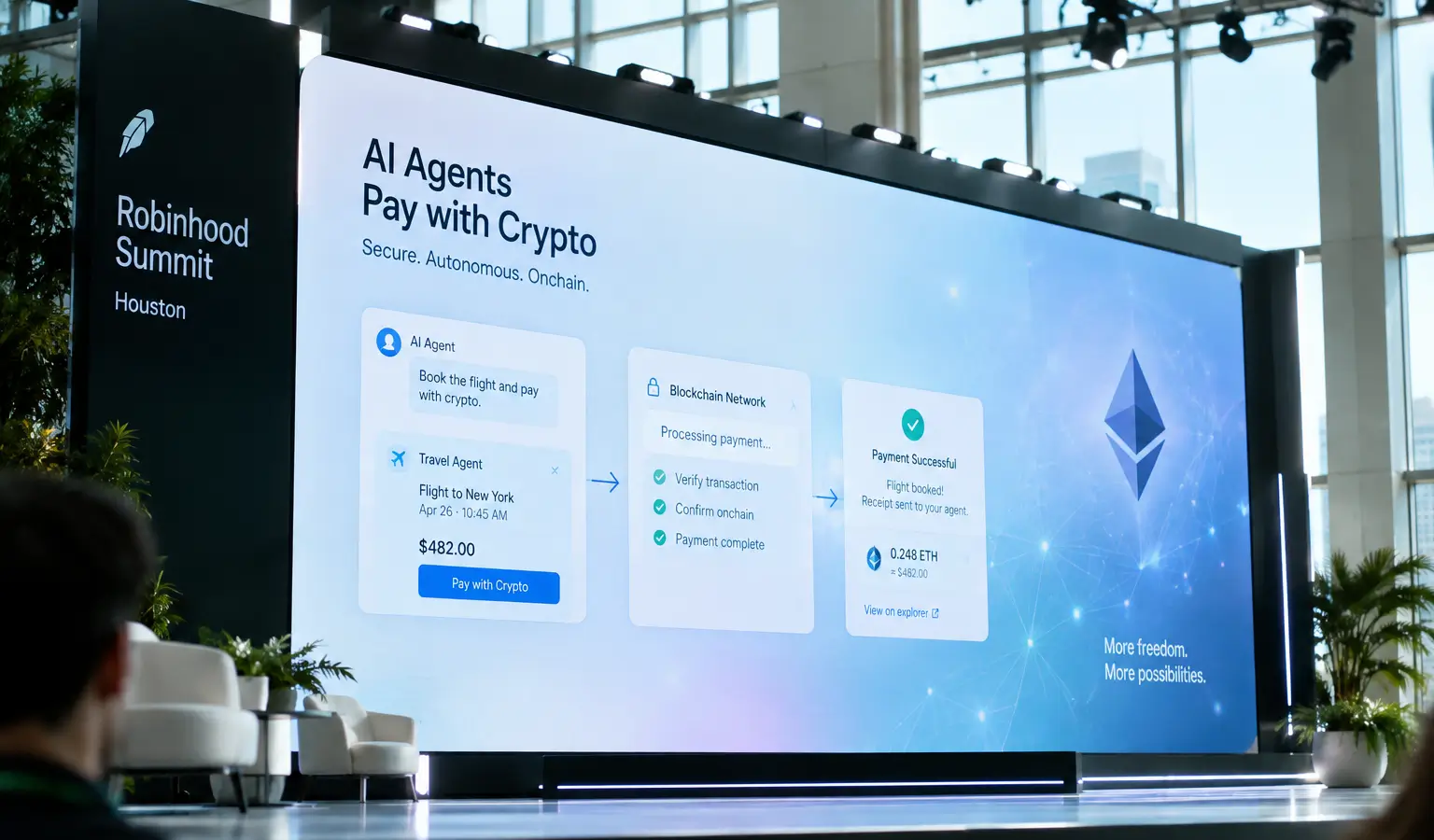
According to the researchers, that small amount mainly says something about how it is being used. AI agents now often pay for individual digital services, such as data, API access, or computing power. The high transaction frequency in particular shows how machine commerce can work very differently from traditional payments. That lines up with the broader expectation that blockchain and stablecoins will play a bigger role when software needs to move money on its own.
Regulators Are Falling Behind
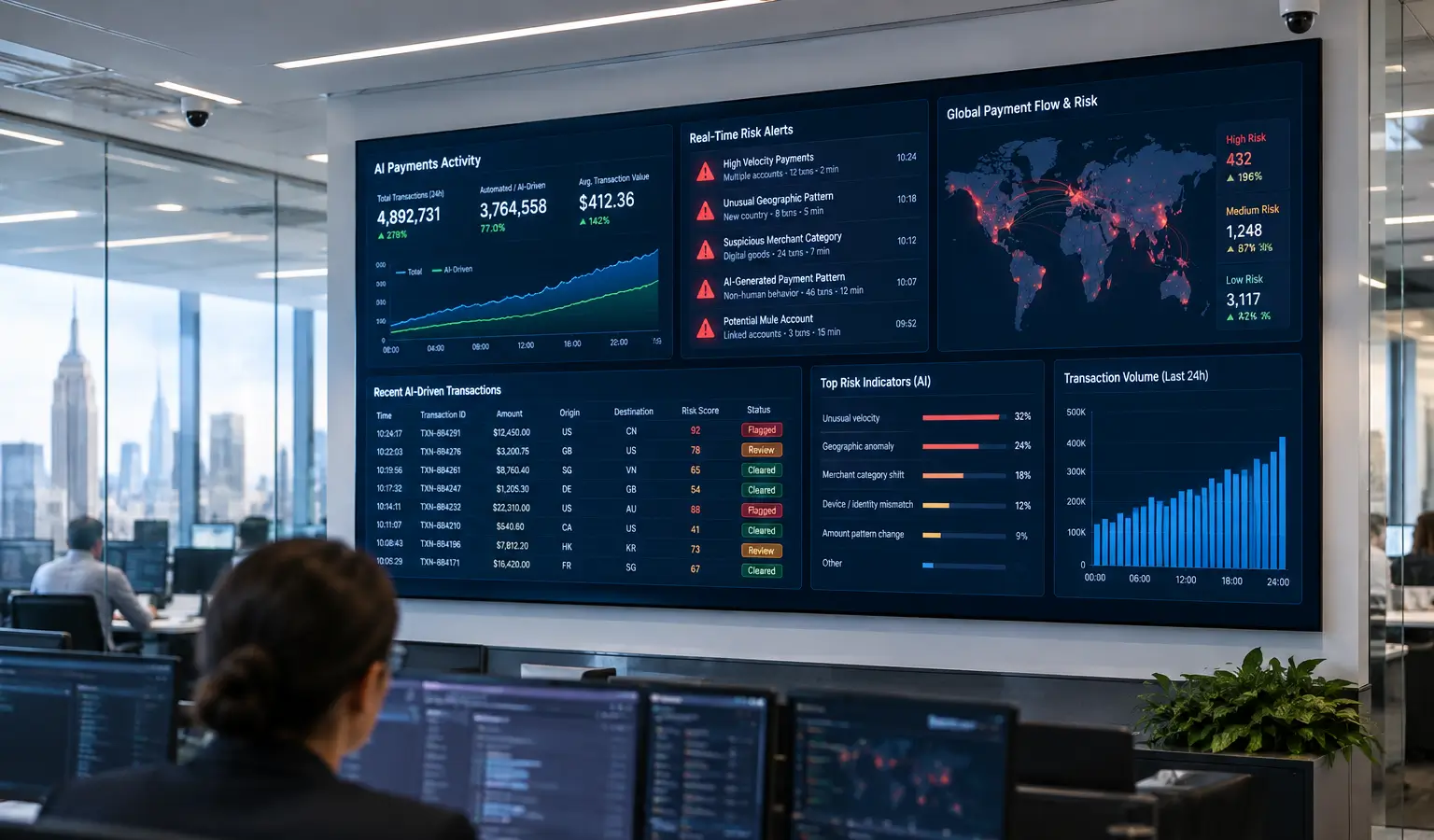
Romo said regulators still rely heavily on periodic reports to detect fraud, control failures, and other risks. In her view, that can become too slow if autonomous systems are making millions of decisions in minutes. She said some form of automated oversight will probably be needed, along with human review at key moments.
Other panelists also focused on security and accountability. Julius Moye of Mastercard pointed to the Knight Capital trading disaster in 2012 and Terra/Luna as examples of what can go wrong when automated systems run without enough guardrails. Dino Cataldo Dell’Accio of the UN Joint Staff Pension Fund said accountability must ultimately be traced back to who developed, implemented, and manages the code.
Why This Also Matters for Europe
The debate is not just relevant for the U.S. The IMF has already pointed to the potential of agentic AI in payment systems and is calling for a three-layer framework to connect autonomous AI decisions to existing payment infrastructure. The U.K. FCA is also looking at possible rule changes for this kind of system, showing that regulators are broadly searching for new frameworks.
For European crypto and fintech firms, that could be important because AI payments are increasingly touching stablecoins, wallets, and onchain settlement. The main question is not whether these systems are coming, but how oversight, compliance, and accountability will be set up around them.