Will Ethereum go more decentralized again?
The Ethereum network comes under pressure from growing centralization after the merge.

After the merge, the Ethereum network comes under pressure from growing centralization. What could help? Healthy competition among cloud providers and node operators.
Just under a month ago, Ethereum’s switch in consensus mechanism succeeded. What had been planned for years could finally be done: the Merge. The upgrade was supposed to boost scalability and cut energy use. But one thing was clear from the start: decentralization is shrinking.
Decentralization on Ethereum is crumbling
Staking takes some learning. To become an ETH staking validator, you need to stake 32 Ether. In addition, each validator must be online 24/7 and run specific software on a computer to participate in transaction validation. In return, validators earn rewards in ETH. Right now, this can yield an annual return of about 5 percent on Ether.
This reality has created a market for projects like Lido and other staking providers, which also let small investors participate in staking with any amount of ETH. Lido and other providers pool their users’ deposits into 32-ETH blocks and hand them off to various professional staking operators, who supply and manage the hardware for the validators.
Because larger staking pools like Lido are more likely to validate the next block — and therefore collect the staking reward — more and more customers are entrusting their Ether to Lido. Perfect conditions for increasing centralization.
Decentralization through hosting optimization
The situation peaked in late August. German cloud provider Hetzner GmbH clearly stated in its terms that it forbids all cryptocurrency-related activities. Just before the Ethereum Merge, this meant a 16 percent loss of ETH nodes. Trust in centrally controlled hosts remains an unresolved issue for the blockchain.
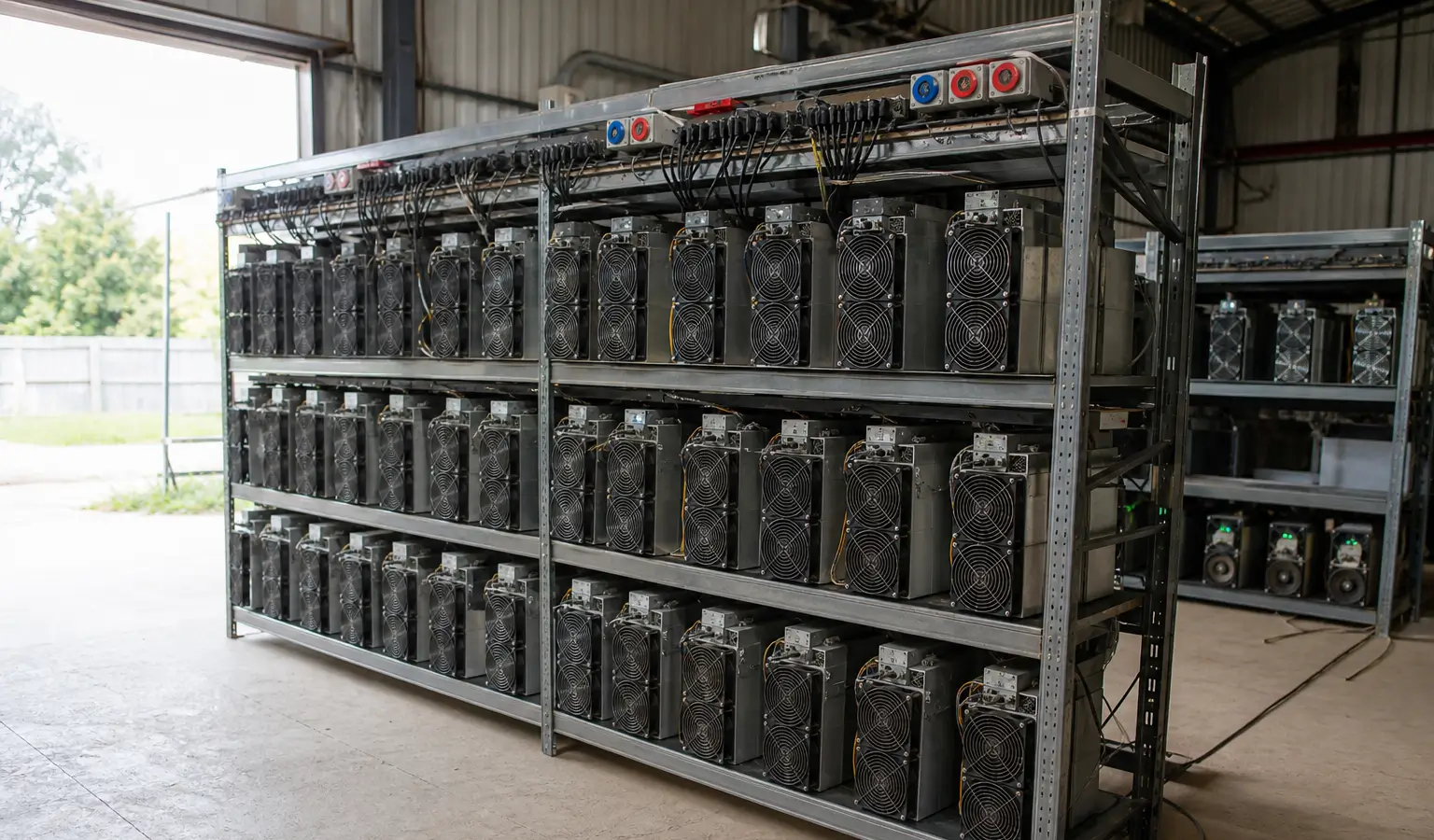
A collaboration between OVHcloud, the European hosting market leader, and Bitfly, the company behind the ETH pool Ethermine, is tackling this. To fight centralization, the two firms are deploying data centers worldwide. Robert Jandt, Business Development Manager at OVHcloud, explains to BTC-ECHO how they’re handling this responsibility.
"OVHcloud also supports the decentralized approach within our network by giving users a choice among different international data centers — currently 33 data centers on four continents." — Robert Jandt, Business Development Manager, OVHcloud
Competition is welcome
Healthy competition is essential for any market. If one provider owns the majority share, they can control price, censorship, and supply. The clearest example is AWS hosting. About 54 percent of all Ethereum nodes run on Amazon Web Services. If the internet wholesale giant decides to pull back from crypto and its use, there could be a temporary, drastic drop in validators. The feared 51 percent attack would move closer. Bitfly sees a need for improvement.
"Butta", CMO and spokesperson at Bitfly, confirms to BTC-ECHO that the core requirement for Ethereum decentralization is a balance between home-stakers and enterprise-operated nodes.
As long as we have 'decentralization,' healthy competition among cloud providers is welcome because it enables freedom of choice. "Butta", CMO and spokesperson, Bitfly
There’s already a minor player in the overall competition: Électricité de France (EDF), the state utility. France’s largest energy supplier recently announced it operates more than 150 Ethereum nodes.
More decentralization on the horizon?
The plan by OVHcloud and Bitfly to offer "long-term security for node hosting" to support decentralization is a positive step. If validators shift from AWS to OVHcloud, it will simply shift market share between providers. The "international data centers" at least tackle the issue of political censorship.
Whether growing competition for Lido or AWS will lead to more decentralization on the Ethereum network remains to be seen. It’s still a blockchain trilemma.