JPMorgan Sees $85,000 as a Turning Point for Bitcoin Miners
The bank sees a soft floor around this level, while hashrate and mining difficulty are still putting pressure on the sector. Less miner selling could support Bitcoin’s recovery.
Key Takeaways
- JPMorgan estimated Bitcoin’s production cost at about $84,948 and called $85,000 a soft floor for the market.
- The hashrate fell about 19% from its peak, while mining difficulty dropped about 15% as miners came under pressure.
- CryptoQuant saw fewer heavy selling waves, but miners are still sending coins to exchanges when prices rise.
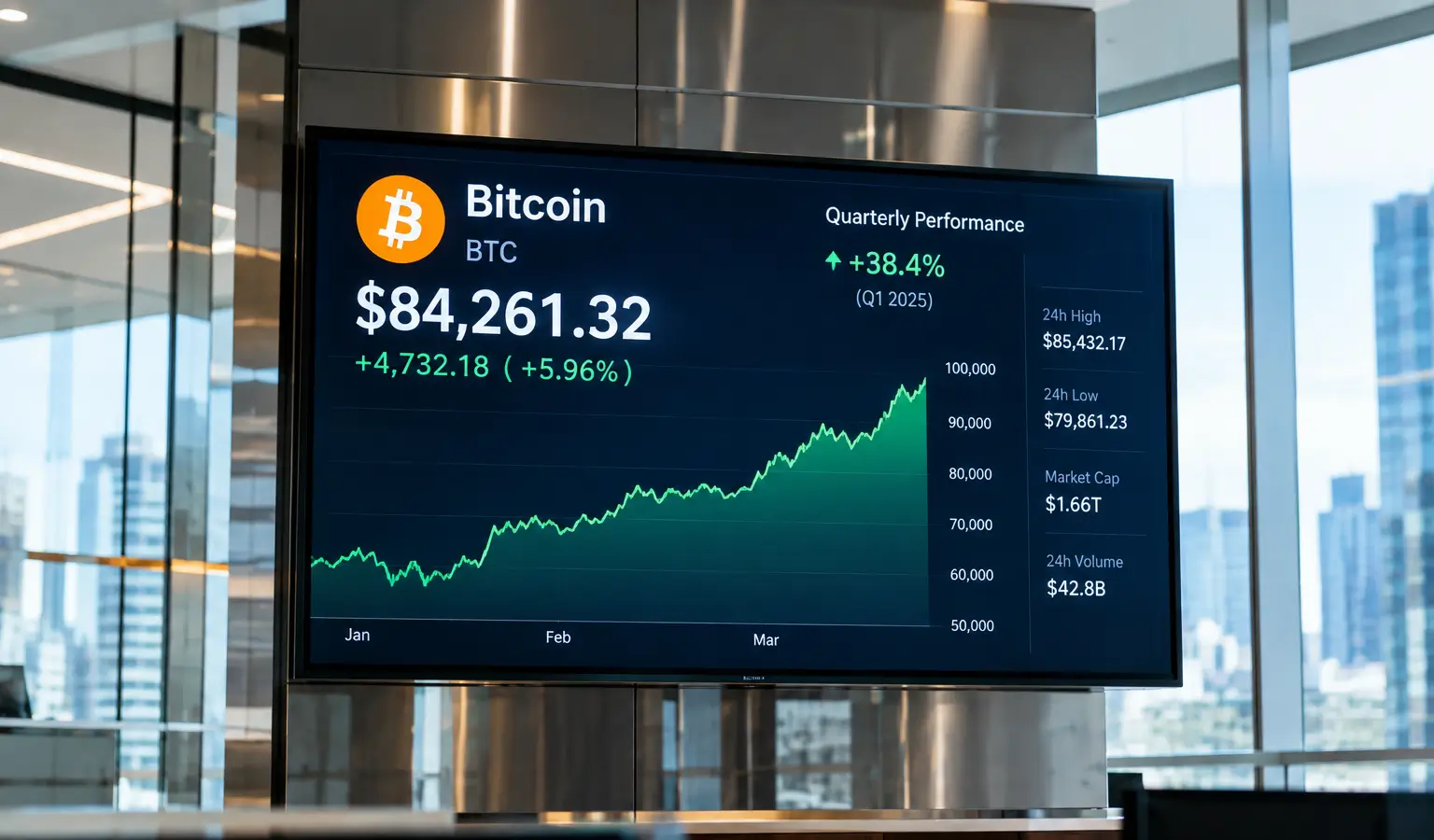
Bitcoin miners got a little breathing room last week, but that relief quickly proved fragile again. JPMorgan estimated Bitcoin’s production cost at about $85,000 (€74,900) and called that a soft floor for the market. Bitcoin briefly touched $87,000 (€76,600) earlier this week, but it is now back close to that level.
Why $85,000 (€74,900) Matters
In a note dated September 23, JPMorgan analysts led by Nikolaos Panigirtzoglou wrote that Bitcoin’s production cost was around $84,948 (€74,800). At that point, Bitcoin was trading at $85,795 (€75,600), just above that line. That matters because the coin had spent 280 days below that level, longer than the roughly 224-day mining slump in 2018, according to the bank.
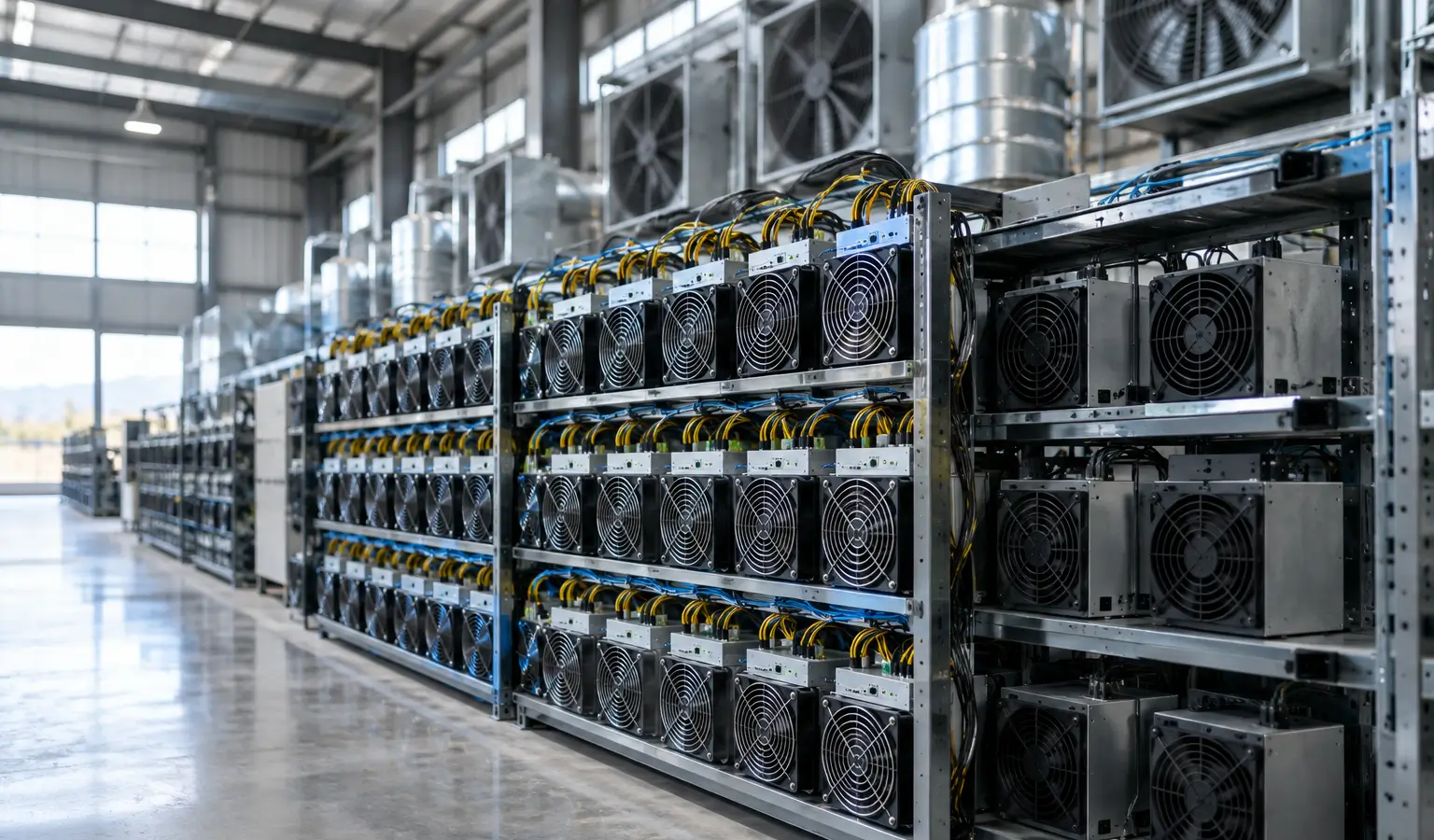
Pressure on miners was still visible in network data. The hashrate fell about 19% from its October peak, while mining difficulty dropped by about 15%. More expensive miners shut down machines, replaced older rigs, or looked for cheaper power. Some even moved capacity to AI workloads.
JPMorgan said a sustained better price level could help miners and reduce the chance of forced selling. That does not mean selling pressure is gone, but it does suggest the worst phase may be behind us.
Selling Pressure Is Easing
CryptoQuant data shows the heaviest selling wave came in February, when miner-to-exchange flows reached nearly 24,000 BTC. After that, the spikes were smaller: about 12,400 BTC in June, 13,500 BTC in August, and around 10,000 BTC during the rally above $85,000 (€74,900) in September.
That fits the picture of miners selling less aggressively than earlier this year. At the same time, they are still sending coins to exchanges whenever Bitcoin moves higher. That does not necessarily mean everything is sold right away, but it does show that higher prices are still being used to free up cash.
Recovery Remains Fragile
Capriole’s Hash Ribbons also paint a cautious picture. The 30-day hashrate average fell from about 1,105 EH/s at the end of 2025 to 895 EH/s in August. It has since recovered to around 947 EH/s, just above the 60-day average of 943 EH/s.
That gap is smaller than 0.5%, which means the recovery could quickly reverse again. For European crypto followers, this matters because the mining sector often shows how sensitive Bitcoin still is to costs, power prices, and network pressure. The April 2024 halving, which cut the block reward from 6.25 BTC to 3.125 BTC, has also made that sensitivity even stronger.
With Bitcoin now about 2.4% below JPMorgan’s estimated production cost, the market is back at an uncomfortable line it had just moved away from.