KB Kookmin Bank to Use JPMorgan Blockchain for Trade Payments
The South Korean bank is starting with dollar payments for import and export clients through JPMorgan’s Kinexys, underscoring how blockchain rails are moving deeper into traditional trade finance.
Key Takeaways
- KB Kookmin Bank will launch a blockchain payment service for import and export companies in August.
- The bank will first use U.S. dollar payments through JPMorgan’s Kinexys network.
- The first phase focuses on dollar payments to ten countries, including the U.S., Singapore, and India.
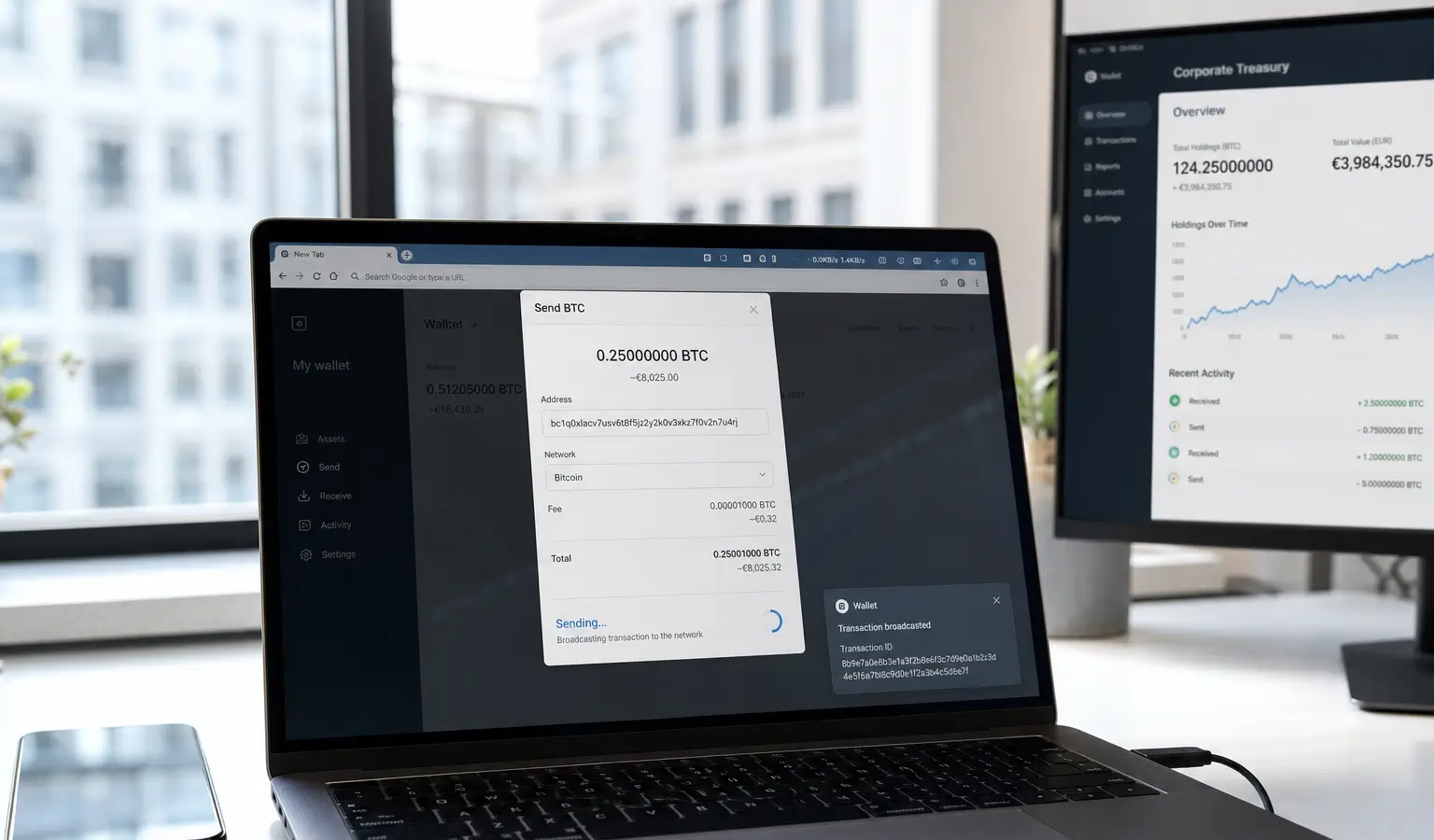
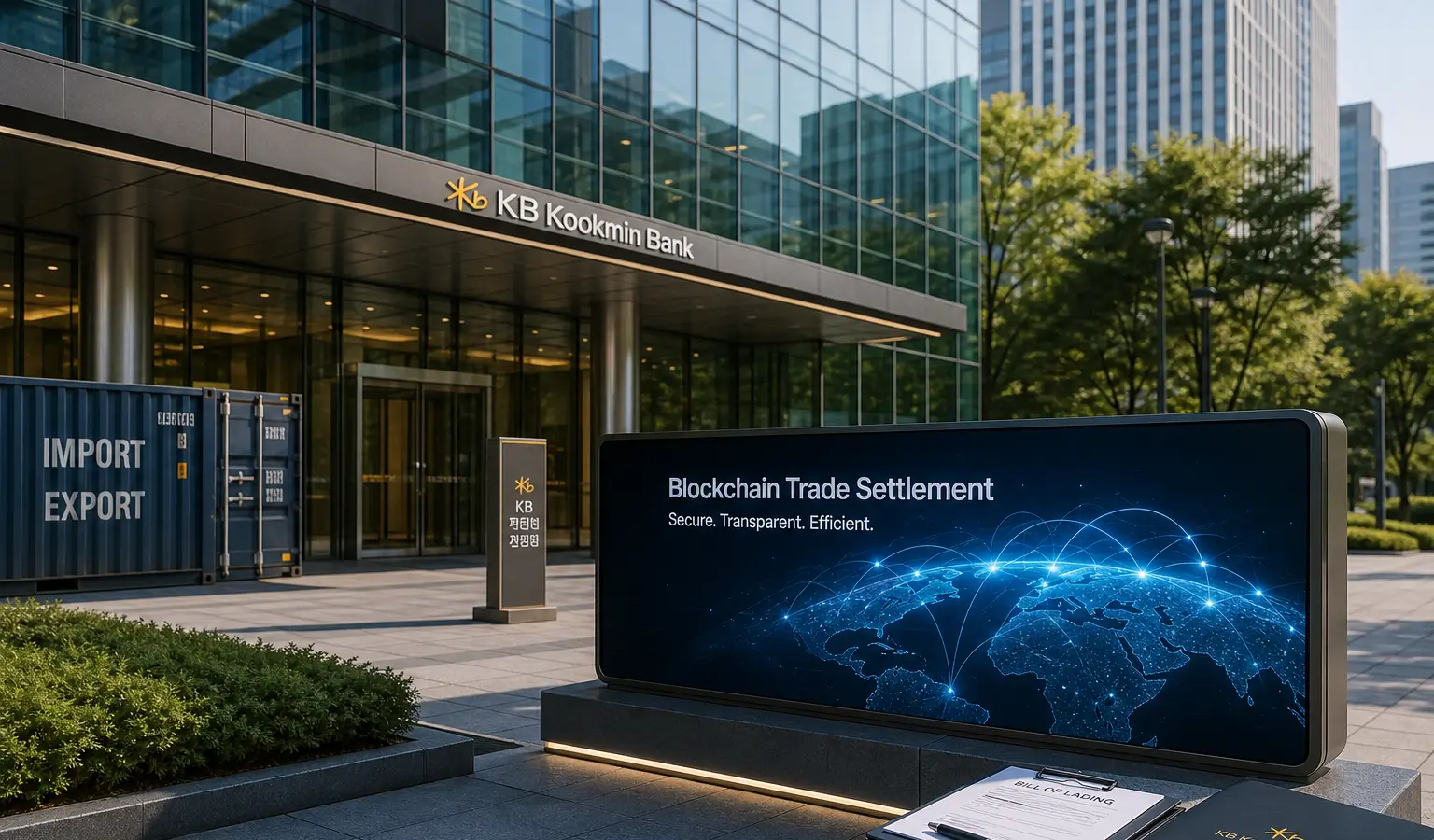
KB Kookmin Bank is set to roll out a blockchain payment service for import and export companies in August, beginning with U.S. dollar transfers through JPMorgan’s Kinexys network. The move gives one of South Korea’s biggest banks access to infrastructure designed for institutional payments and digital settlement rather than retail crypto use.
Kinexys Gets Bank Use
Kinexys is JPMorgan’s blockchain division, which was previously called Onyx. The platform supports institutional payments, tokenization, and digital asset settlement, and it has now handled more than $4 trillion (€3.5 trillion) in transactions, based on available figures. Its average daily volume is above $7 billion (€6.2 billion).
For KB Kookmin, the setup means trade payments can move over an existing blockchain rail instead of a newly built system. The service will initially be available through Korean branches and KB Kookmin’s office in Singapore.
Dollar Payments to Ten Countries
The first rollout will cover dollar remittances to ten countries, including the U.S., Singapore, Saudi Arabia, India, Thailand, Qatar, the United Arab Emirates, Bahrain, and South Africa. Local media report that these payments are tied to customers involved in import and export activity.
The timing is notable because KB Kookmin was also recently chosen for a government-backed project centered on deposit tokens. That initiative is led by the Ministry of Science and ICT and the Korea Internet & Security Agency. Taken together, the two developments suggest South Korean banks are testing tokenized money and blockchain rails more actively for everyday financial services.
Why This Matters
For European crypto readers, the bigger takeaway is that blockchain infrastructure is showing up more often outside the core crypto market. If more banks adopt these rails, it could shape the wider conversation around tokenized deposits, settlement, and the role of large financial institutions in crypto. This is not mass adoption yet, but it does show the line between traditional payments and blockchain is getting thinner. It also fits a broader trend of banks and asset managers using blockchain mainly for settlement and tokenized assets, like with tokenized deposits at banks.