Anchorage Digital Launches Platform for Tokenized Bank Deposits
Banks may soon be able to offer 24/7 payments and settlement through blockchain without replacing their core systems. The first use cases show how tokenized deposits can bridge traditional banking and crypto infrastructure.

Key Takeaways
- Anchorage Digital is launching a platform that lets banks issue tokenized deposits through blockchain.
- With this setup, banks can offer payments and settlement around the clock without replacing their core banking systems.
- JPMorgan, Citi, and Bank of America are working on a tokenized deposit network that is expected to go live in the first half of 2027.
Anchorage Digital, a federally chartered crypto bank, is introducing a new platform that lets traditional banks issue tokenized deposits. This gives financial institutions a way to offer payments and settlement 24 hours a day through blockchain technology, without having to replace their existing core banking systems.
Innovation in Banking With Tokenized Deposits
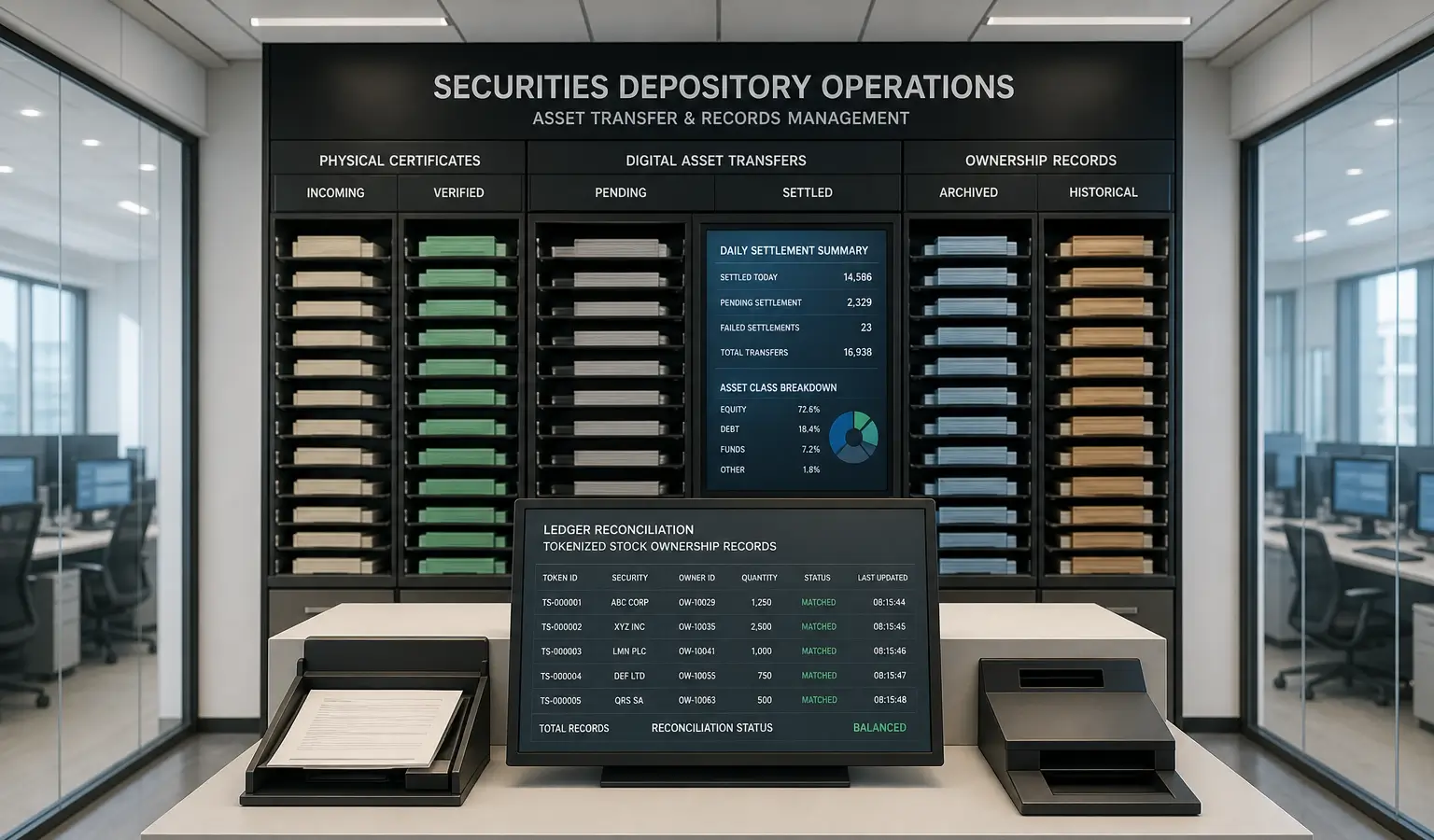
Anchorage Digital's platform creates a blockchain-based representation of customer deposits, while the underlying funds stay in traditional bank accounts. Anchorage handles the blockchain infrastructure, wallet management, and smart contract technology, while the banks themselves remain responsible for customer relationships and managing the deposits.
This approach fits into a broader trend of banks looking for ways to speed up payments and settlement in a financial system that still often runs on business hours and batch processing. Tokenized deposits provide a digital version of commercial bank deposits inside the traditional banking system, unlike stablecoins, which are usually issued by private companies.
Collaboration and the Future of Tokenized Deposits
Major U.S. banks like JPMorgan, Citi, and Bank of America are working on a shared tokenized deposit network that is expected to be operational in the first half of 2027. This move highlights the growing interest from traditional banks in blockchain integration.
Other major financial institutions are also leaning into tokenization. For example, Citigroup recently launched a blockchain platform for tokenized shares of private companies for wealthy clients.
Anchorage's platform is designed as a parallel layer that works alongside existing banking infrastructure, which helps avoid long and risky migrations to new systems. That could help banks start benefiting faster from what blockchain has to offer, like programmability and quicker settlement, without disrupting their existing balance sheet structures.
Why This Matters for European Banks and the Crypto Market
Even though these developments are happening mostly in the United States right now, the rise of tokenized deposits could also matter for European banks and the broader crypto market. European financial institutions may be able to modernize their payment and settlement processes and become more competitive while still operating within existing regulations. That could be an important step toward deeper integration of blockchain technology into traditional financial services.