Ondo Launches SEC-Style Model for Tokenized BlackRock ETF
Using Ethereum and Oasis Pro TA, Ondo is taking an SEC-compliant step with tokenized IVV and Micron positions, while Broadridge handles governance.
Key Takeaways
- Ondo Finance launched tokenized versions of BlackRock’s iShares Core S&P 500 ETF and Micron shares via Ethereum.
- The issuance runs through Oasis Pro TA, while Broadridge handles proxy voting, disclosures, and shareholder communications.
- Ondo says this is the first production rollout of the SEC model for custodial tokenization, and the product is not yet available to U.S. investors.
Ondo Finance has rolled out tokenized versions of BlackRock’s iShares Core S&P 500 ETF and Micron Technology shares in a setup built to work inside the existing U.S. securities framework. The tokens are issued on Ethereum and follow the SEC’s recent framework for third-party tokenized securities, marking a shift from testing to live production.
How the Structure Works
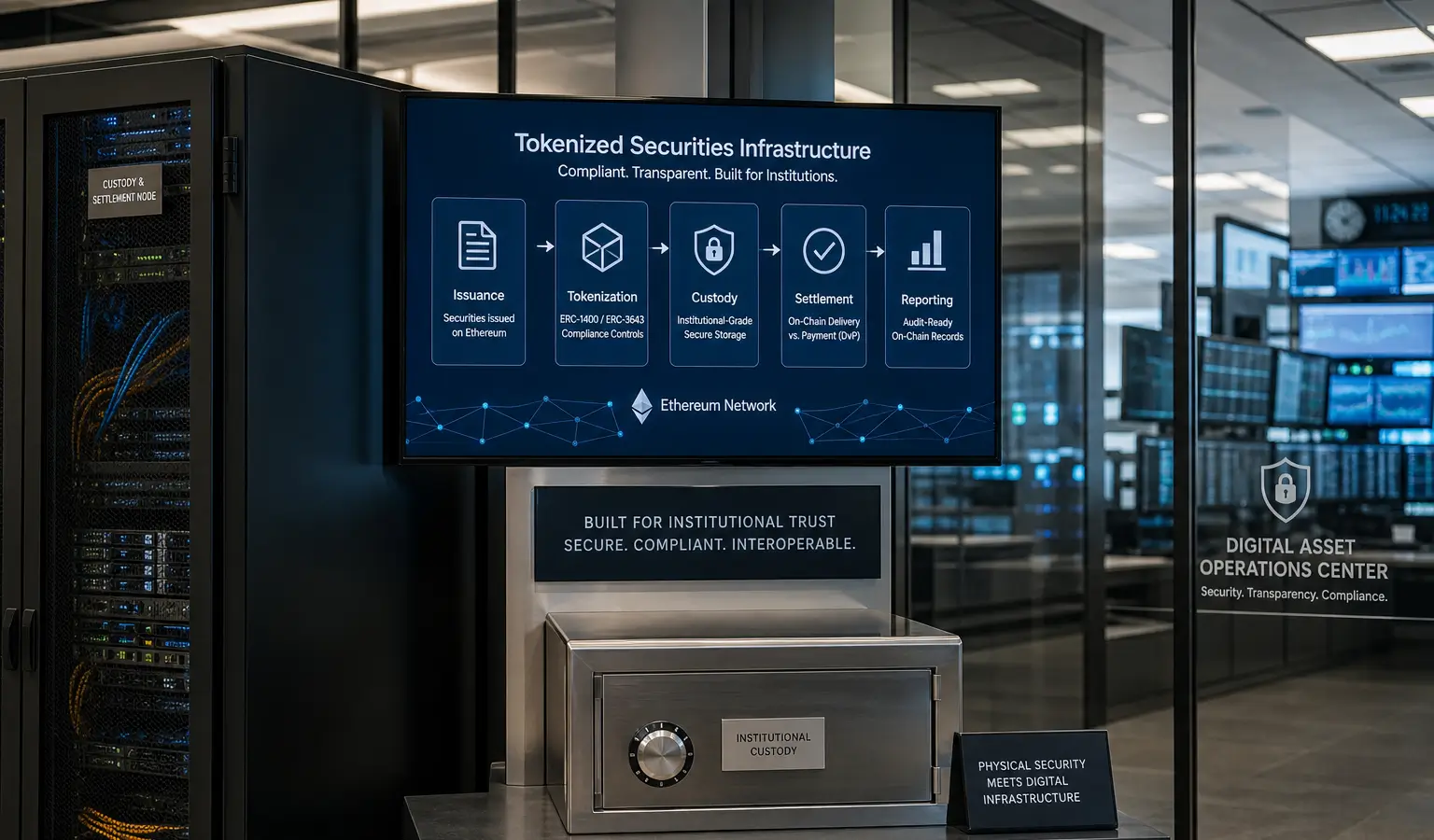
The tokenized assets are issued through Oasis Pro TA, an SEC-registered transfer agent Ondo acquired last year. Broadridge is responsible for proxy voting, regulatory disclosures, and shareholder communications, which means token holders receive the same governance rights as investors who own the assets through a standard broker.
The key point is that the underlying IVV and Micron shares remain in the traditional custody chain. Oasis Pro TA then creates one-to-one tokenized entitlements on Ethereum, while regulated custodians, broker-dealers, and transfer agent controls are used to enforce transfer restrictions. Ondo says this is the first production rollout of the SEC model for custodial tokenization.
Why This Matters Now
The launch arrives as tokenized equities are drawing more attention from both crypto and traditional finance. In January, the SEC said tokenized securities already fall under existing federal securities laws, shifting the conversation toward compliance rather than creating a separate rulebook for blockchain stocks.
For European crypto readers, the main takeaway is that major market players are trying to plug tokenization into the current market structure instead of working around it. That could accelerate the debate over what blockchain-based investment products look like once regulators, transfer agents, and infrastructure providers all apply the same rules.
Broader Tokenization Momentum
Ondo says the product is not yet open to U.S. investors. Even so, the company argues that tokenization, which turns traditional assets into blockchain tokens, is gaining traction because it can offer 24/7 trading, faster settlement, and easier movement across platforms.
The crypto company also says it now has more than $1 billion (€0.9 billion) in tokenized stocks and ETFs, spread across more than 430 securities. Elsewhere in the market, Robinhood, DTCC, Nasdaq, and the New York Stock Exchange are also pushing tokenization efforts, showing that the line between crypto infrastructure and regulated markets is getting harder to see. That also ties into the broader U.S. debate over how tokenized securities can be tested and scaled under existing law.