Liz Truss Points to Rising Rates and Bitcoin Rally
Truss links rising gilts and U.S. Treasuries to debt and currency debasement. Bitcoin remains in focus as part of the so-called debasement trade.
Key Takeaways
- Liz Truss says rising global bond yields point to heavy government borrowing and currency debasement.
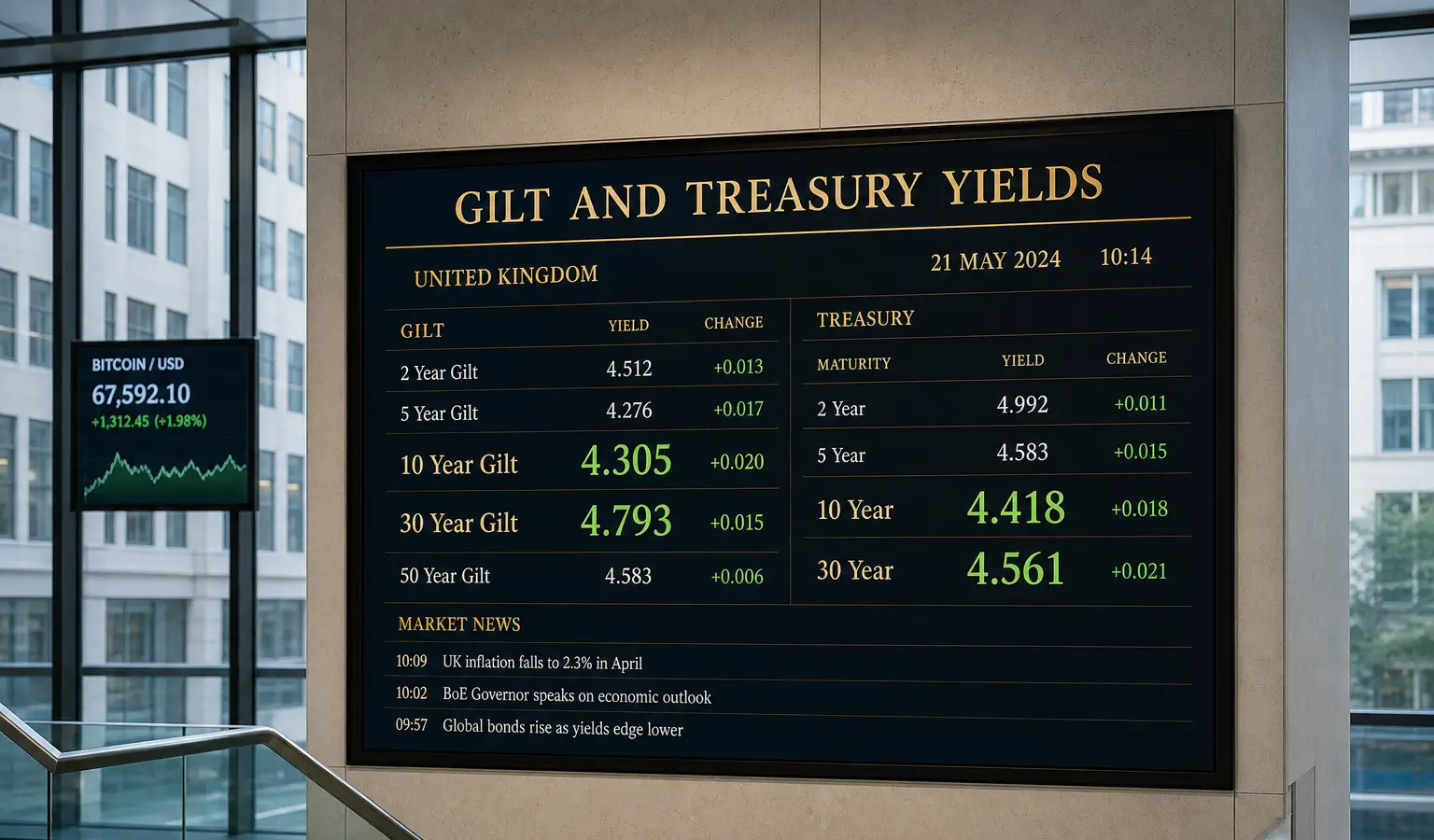
- The U.K. 10-year gilt yield is above 5.2%, while the U.S. 10-year Treasury yield has climbed above 4.8%.
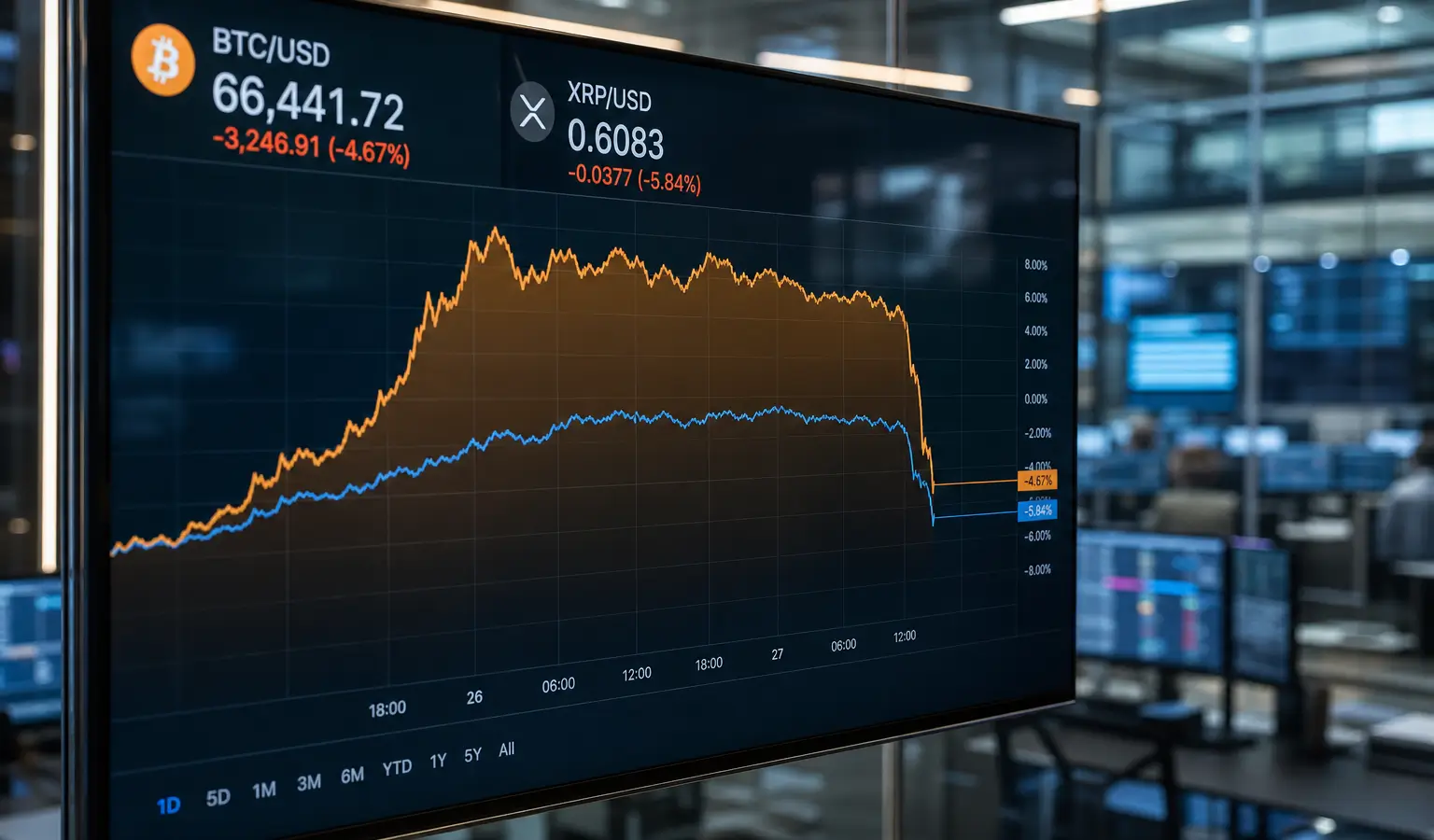
- Bitcoin rose in the debasement trade from about $64,000 to nearly $81,000 and is now around $76,500.
Former U.K. Prime Minister Liz Truss says rising global bond yields mainly reflect how heavily governments have been borrowing and how currency debasement is affecting the market. In her view, the United Kingdom is one of the clearest examples, while the United States, Japan, France, and Germany are also seeing higher rates.
U.K. Borrowing Costs Are Rising
Truss said in an interview that the Bank of England printed money and weakened the currency. The 10-year gilt yield in the United Kingdom has now moved above 5.2%, and the 30-year rate is nearing 6%. That is clearly higher than the 5.12% level when Truss was still in charge in 2022.
The move is not limited to London. In other major economies too, rates have climbed sharply in recent times, drawing attention to growing government debt, inflation risks, and the question of how sustainable public finances remain.
Global Pressure on Bonds
The 10-year U.S. Treasury yield has risen above 4.8%. That means the drop that followed Treasury Secretary Scott Bessent's announcement of a buyback program for longer-dated government bonds has now fully disappeared. The yield had fallen to 4.62% at the time.
According to broader market trends, the higher rates are part of a global pattern. Several major economies are still dealing with serious inflation concerns, while central banks may keep rates higher for longer. That makes borrowing more expensive for households, companies, and governments.
Bitcoin Still Above Old Levels
In the so-called debasement trade, recent highs have partly pulled back. Gold earlier climbed to about $4,700 (€4,060) per ounce and then fell back to around $4,300 (€3,710). Bitcoin rose from about $64,000 (€55,200) to nearly $81,000 (€69,900) and then moved back to around $76,500 (€66,000).
For European crypto followers, that matters because Bitcoin in these periods is often seen alongside gold and government bonds as a response to concerns about debt and currency debasement. That does not mean the price has to keep moving in the same direction right away, but it does show how strongly macro news continues to affect the crypto market.
The broader market is also increasingly viewing Bitcoin as a macro hedge. In an analysis of the relationship between debt and rates, Bitcoin was described as a hedge against U.S. debt, precisely because rising Treasury yields increase pressure on traditional safe havens.