MIT Warns of AI Bubble and Billion-Dollar Risk
Wharton economist Jessica Wachter calculates that Alphabet, Microsoft, Amazon, Meta, and Oracle will need to sharply boost their AI productivity to earn back their data center investments.
Key Takeaways
- MIT Technology Review warns that hyperscalers' AI spending could spiral if the returns fall short.
- Wharton economist Jessica Wachter estimates nearly $1.1 trillion in data center spending through 2027.
- Funding is increasingly shifting to debt and private credit, which could also affect broader markets and crypto.
MIT Technology Review warns that hyperscalers' massive AI spending could end in a huge reckoning if the returns lag behind. According to an analysis by Wharton economist Jessica Wachter, the big tech companies need to nearly triple their productivity by 2030 to earn back their investment in data centers. That makes the debate over AI spending relevant not just for Big Tech, but also for broader markets where a lot of leverage and pension capital are moving along with it.
The Math Behind AI Spending
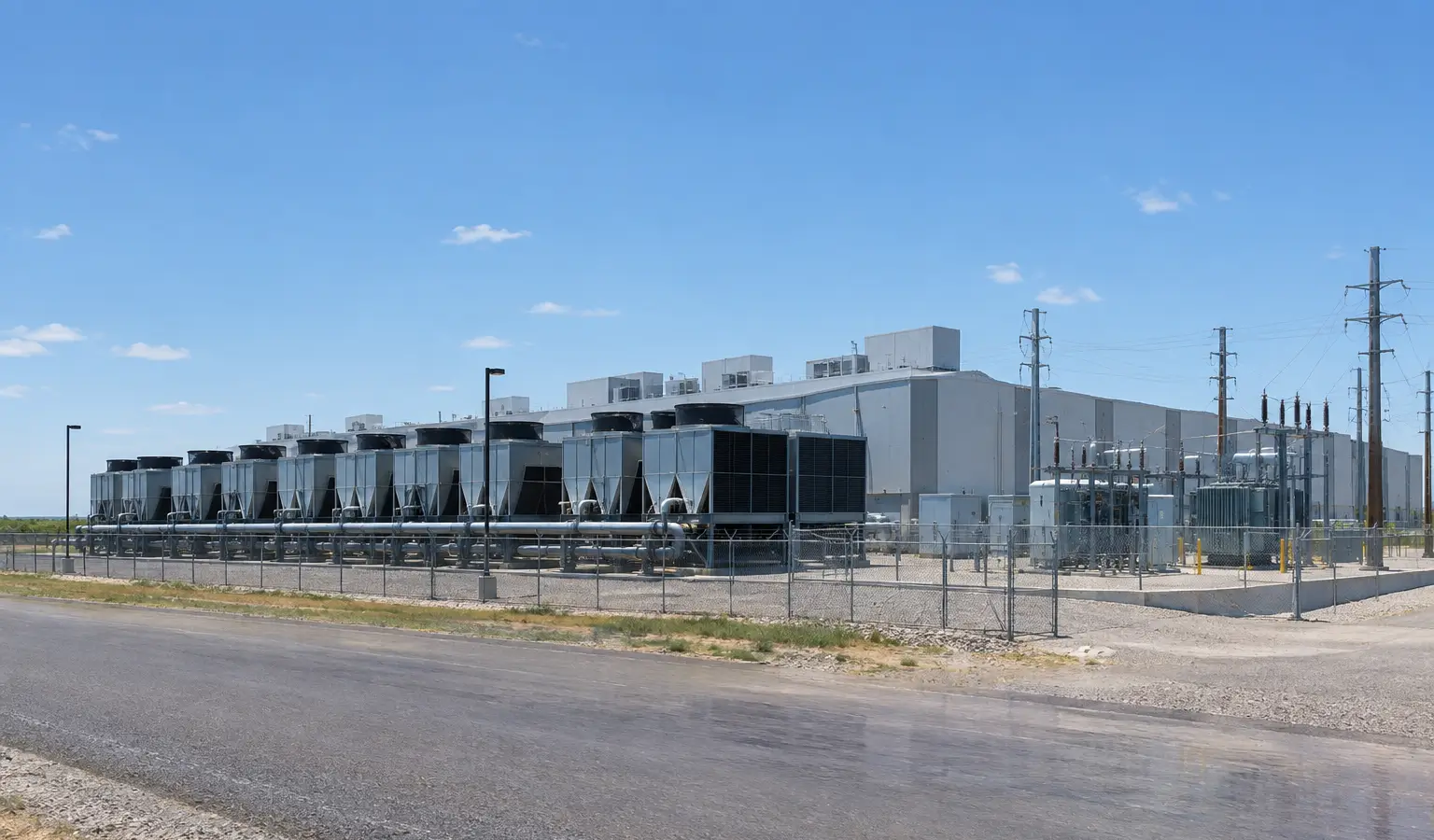
Wachter and a co-author ran the numbers using confirmed spending from Alphabet, Microsoft, Amazon, Meta, and Oracle. Their estimate comes out to nearly $1.1 trillion (€1 trillion) in data center spending through 2027. That calculation includes the cost of capital, a 15% return, and depreciation of the assets.
The result is stark. Wachter concludes that the current buildout of AI infrastructure cannot work without enough productivity growth. She even called the current rollout the biggest waste of capital in history if the expected returns do not show up.
Debt Is Shifting the Risk
Funding for this AI wave is coming less and less from cash flow alone. Morgan Stanley estimates that hyperscalers will pay for more than half of their planned $2.9 trillion (€2.5 trillion) in data center spending through 2028 with outside financing. In practice, that increasingly means debt, private credit, and structures that sit off the balance sheets of the big tech companies.
One example is Meta, which handed over an 80% stake in its Hyperion data center in Louisiana to private credit firm Blue Owl Capital. According to Columbia Business School professor Stijn Van Nieuwerburgh, that kind of debt spreads further through pension funds and private credit vehicles, making the exposure much broader than just the big tech names.
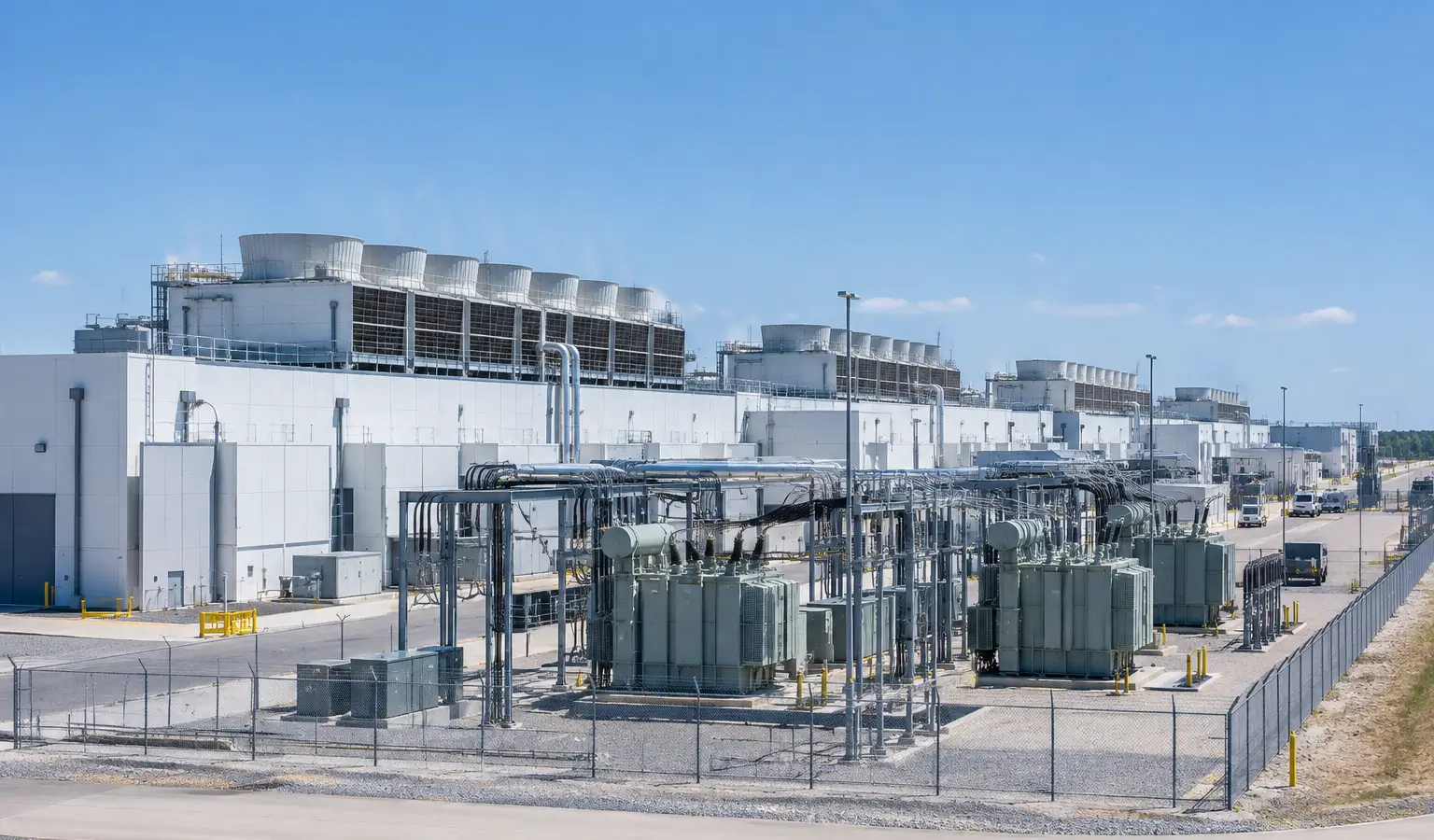
The infrastructure itself is also coming under pressure. The rapid growth of AI data centers is straining U.S. power grids and pushing utilities to make extra investments, while energy costs for consumers could rise. On top of that, the chip sector points to a so-called giga cycle, where AI spending could push the global semiconductor market toward more than $1 trillion (€0.9 trillion) by 2028 or 2029.
Why This Also Hits Crypto
For crypto readers, this matters because the same risk appetite and the same capital flows can also affect the crypto market. If financing for AI projects tightens or credit quality worsens, that could spill over more broadly into risky investment assets. Crypto strategist Arthur Hayes previously linked a scenario like that to bitcoin, although the timing of a possible pullback remains uncertain according to the source. The growth of the AI bond market also shows how heavily this investment wave is now being funded through capital markets.