Morgan Stanley Targets $570 Billion AI Bond Market
Morgan Stanley expects AI companies to issue huge amounts of debt in 2026 to fund data centers and computing power, with pension funds and insurers providing the financing.
Key Takeaways
- Morgan Stanley expects AI financing to grow into a $570 billion bond market in 2026.
- The bank sees debt issuance as the main driver behind AI spending on data centers, computing power, and long-term computing contracts.
- By the end of May, AI debt had already reached $236 billion, four times higher than a year earlier.
Morgan Stanley says AI financing could grow into a $570 billion (€499 billion) bond market in 2026. In the bank’s view, the next stage of the AI race will be powered less by chips or chatbots and more by debt, with pension funds and insurers supplying much of the capital.
Debt as Fuel
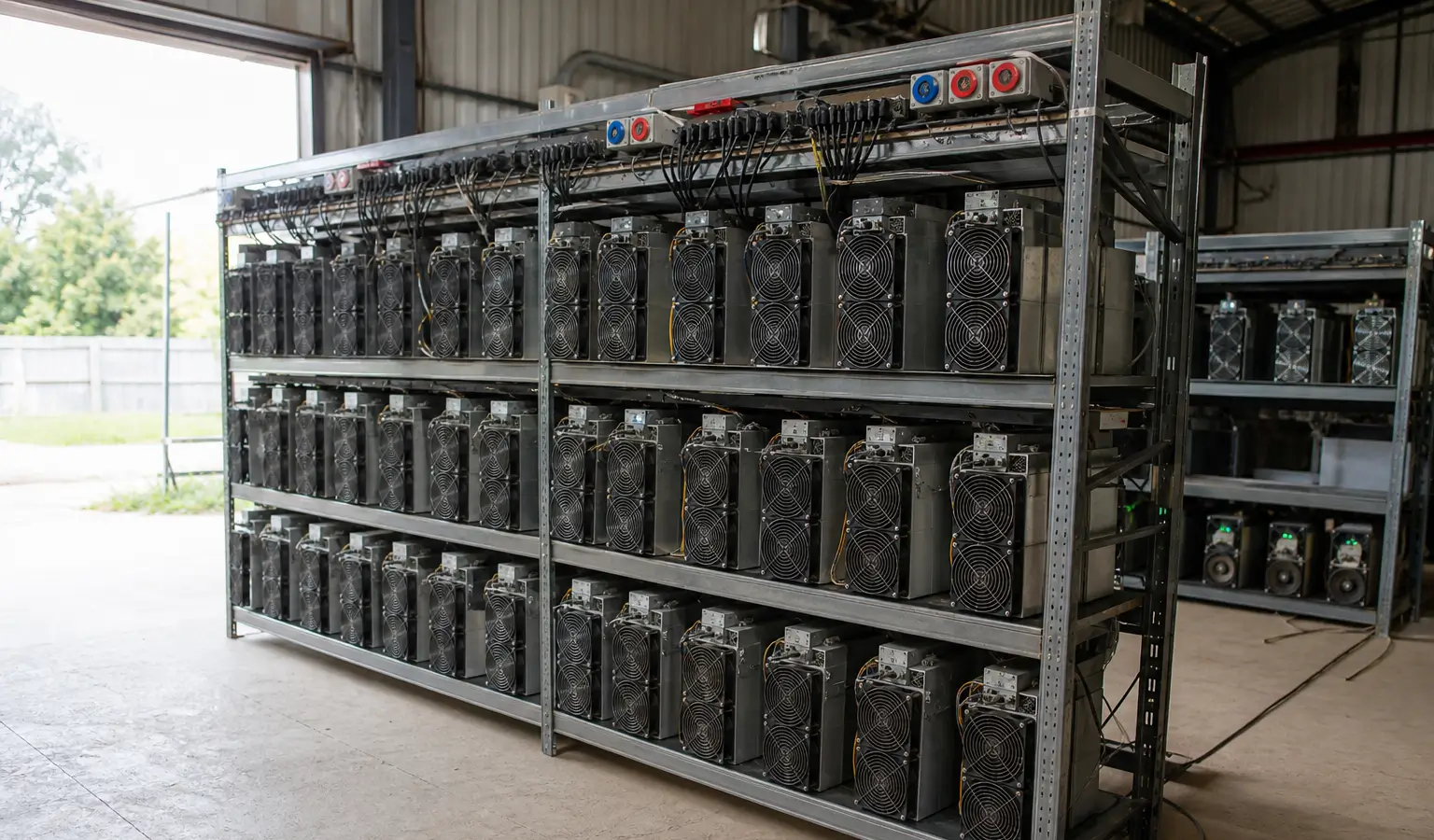
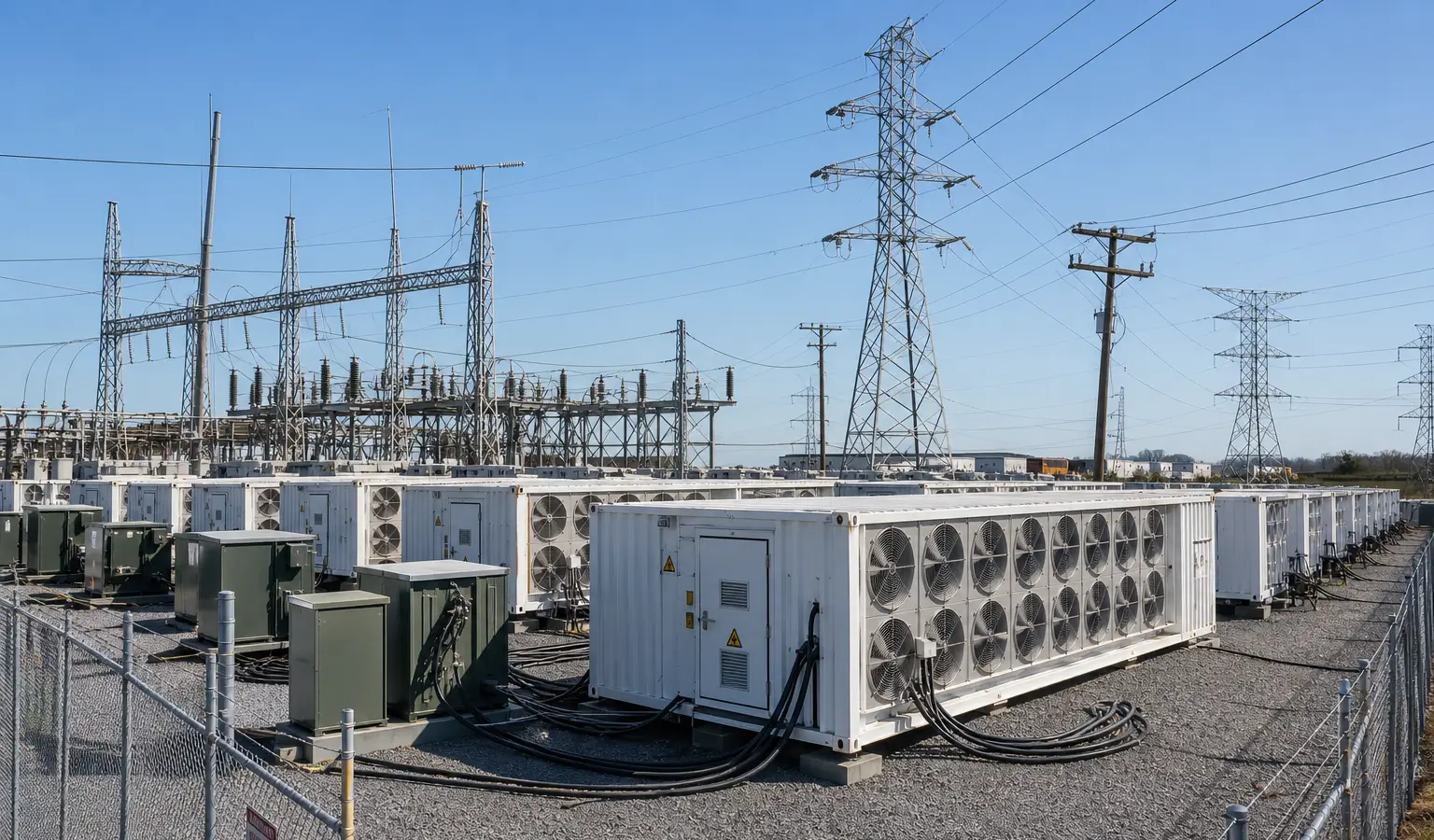
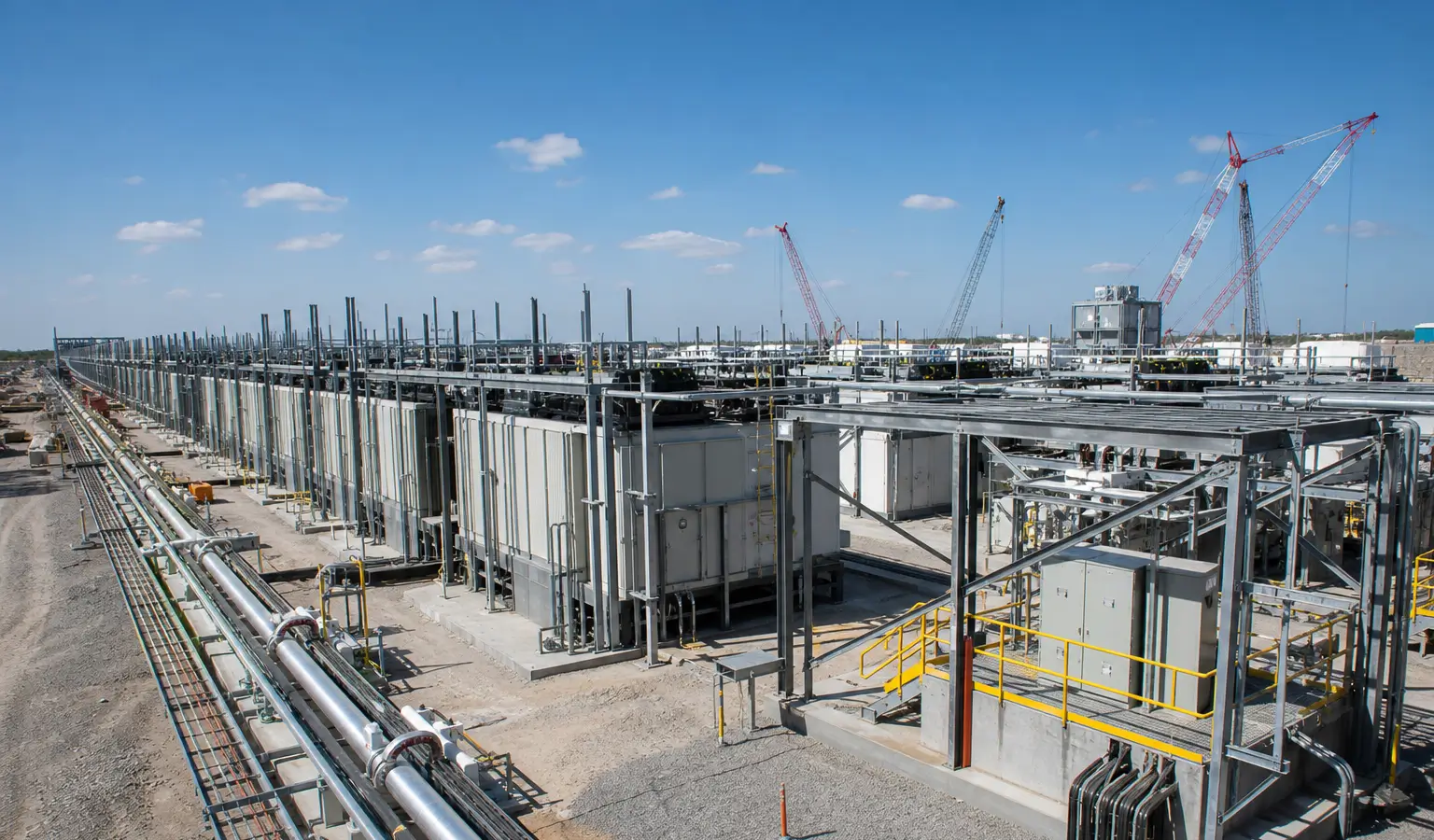
Morgan Stanley expects AI companies to sell hundreds of billions of dollars in bonds and other loans next year to pay for data centers, computing power, and long-term computing contracts. That reflects a bigger trend: hyperscalers are relying more heavily on debt to keep funding their AI buildout.
By the end of May, the market had already seen $236 billion (€207 billion) in AI debt, four times the amount from a year earlier. Morgan Stanley moved early and helped lead $65 billion (€56.9 billion) in AI bond deals at the end of 2025. That effort generated $2.3 billion (€2 billion) in fees over six months, up from $1.4 billion (€1.2 billion) before, putting the bank ahead of Goldman Sachs and second only to JPMorgan Chase.
Data Centers Are Pulling in Capital
The basic idea is straightforward, but the scale is enormous: Big Tech packages credit and long-term computing contracts into investment products that are still appealing to more cautious investors. As a result, some of the AI frenzy is moving out of equities and into the bond market, where pension funds and insurers help make the financing work.
That market is starting to feel the strain. In February, investors bought nearly five times more Big Tech bonds than were available, but by July that ratio had fallen to less than twice as many. Even so, market participants have been warning for some time about how quickly issuance is picking up, especially as demand for AI infrastructure keeps rising.
Why This Matters
For European crypto and tech readers, the main takeaway is that the AI buildout is drawing in capital well beyond Silicon Valley, and that can influence broader risk appetite across markets. Funding for data centers and computing power flows through the same large pools of capital that also shape other risk assets, from stocks to private credit. That makes the AI bond market a useful barometer for how much further this investment cycle can run.