Nvidia Ties AI Compute to Wall Street Capital
Backed by BlackRock, Blackstone, and Goldman Sachs, Nvidia is trying to frame AI computing power as infrastructure. The move also highlights how far decentralized compute networks like Akash and Render still have to go.
Key Takeaways
- Nvidia has signed memoranda of understanding with six major Wall Street firms for financing platforms that could eventually raise more than $500 billion in third-party capital.
- The company wants to position AI computing power as an investable infrastructure layer, similar to real estate, toll roads, and power plants.
- For crypto compute, this move makes the gap between decentralized GPU networks even more obvious, since they still lag far behind the throughput of large data centers.
Nvidia is taking a big step toward treating AI compute as an investable infrastructure layer, and it has six major Wall Street firms on board. On Monday, the chipmaker said it signed memoranda of understanding with Apollo Global Management, Blackstone, BlackRock, Brookfield Asset Management, Goldman Sachs, and KKR to build financing platforms that could eventually bring in more than $500 billion (€433 billion) in third-party capital.
AI as Infrastructure
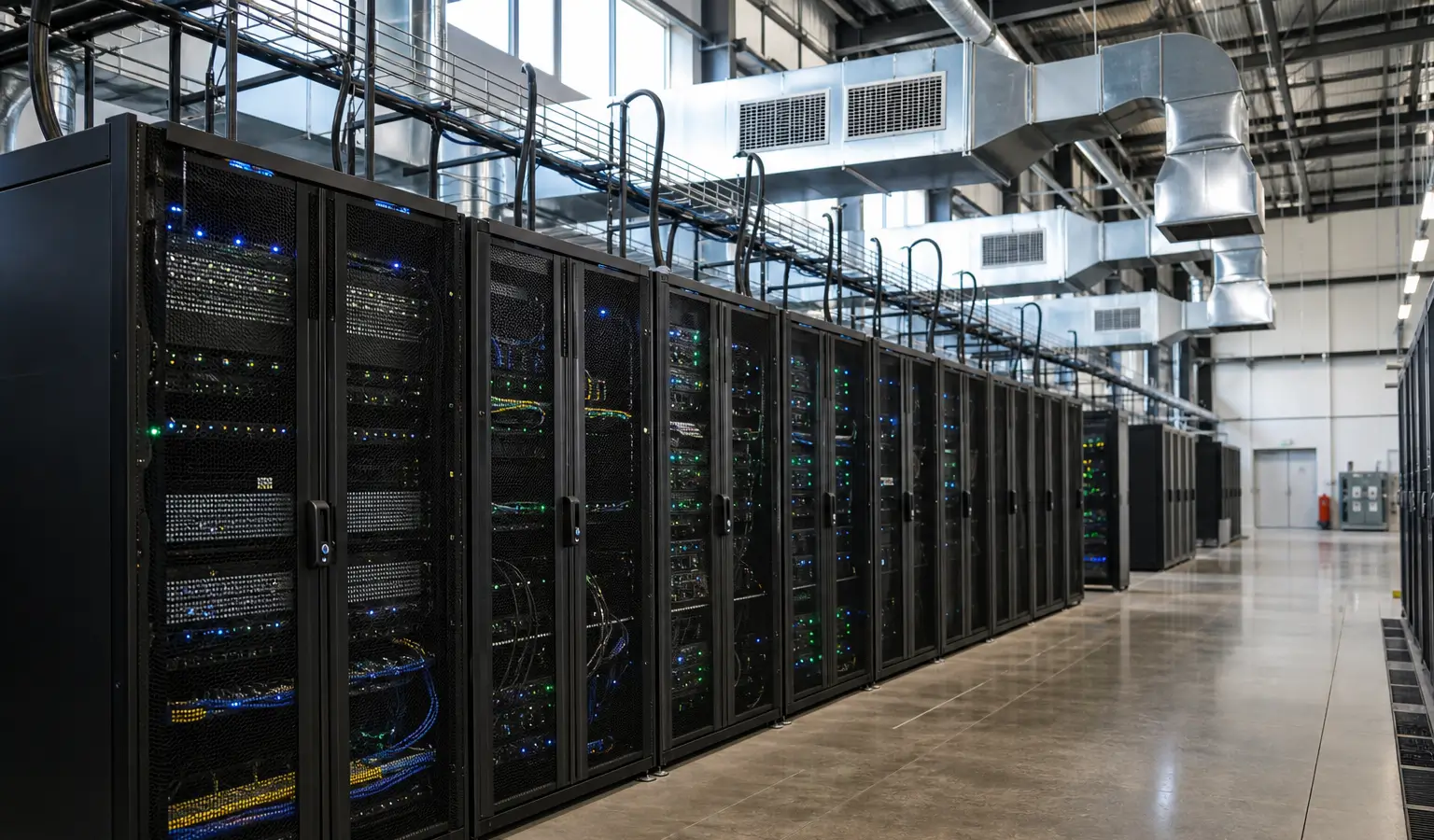
Nvidia says AI computing power should be viewed less like a routine tech cost and more like a financeable infrastructure asset, in the same category as commercial real estate, toll roads, or power plants. The goal is to make it easier for customers to expand AI data centers while also creating steady demand for Nvidia's hardware.
CEO Jensen Huang said chips should be treated as an investable asset class for the first time, arguing that these systems now produce revenue, remain useful for a long time, and can be deployed across many different use cases. He compared AI compute with electricity and the internet, saying the computer has now become part of infrastructure.
What This Changes
The move matters because computing power is still often booked as a short-lived expense on company balance sheets. Nvidia wants to change that framing. In its view, the same GPUs can be used by multiple customers and for different workloads, which means they could generate rental income over several years instead of acting like a one-time purchase.
Under the agreements, the banks will review each project on its own, looking at customer demand, expected usage, and cash flow before committing capital. In some cases, Nvidia could absorb as much as 25 percent of the risk if chips lose value, but the key point is that lenders will still run their own project-by-project analysis.
Implications for Crypto Compute
For crypto, the most interesting part is that Nvidia's move makes the gap with decentralized compute networks even harder to ignore. Projects like Akash and Render are trying to create a GPU marketplace through blockchain, but research from Epoch AI shows that the largest active decentralized training networks still reach only about one three-hundredth of the throughput of top data centers.
That shortfall comes from practical issues such as limited bandwidth, added costs for cryptographic verification, and the lack of enterprise-level service agreements. Even so, the growth of these networks shows there is real demand for alternative AI infrastructure, especially as some crypto mining companies increasingly convert existing power capacity and sites into AI data centers. One example is Core Scientific, which signed a long-term infrastructure deal to deliver more AI capacity.