Core Scientific Signs AMD Deal for 529 MW of AI Capacity
The 15-year lease pushes Core Scientific further away from bitcoin mining and toward AI datacenters, with AMD Instinct GPUs and EPYC processors at the center of the rollout.
Key Takeaways
- Core Scientific signed a 15-year deal with AMD for 529 MW of AI capacity in the U.S., with more than $14 billion in base revenue.
- AMD can reserve another 1,925 MW through December 28, 2028, which could grow the partnership to about 2.5 gigawatts.
- The quarterly update shows a fast pullback from bitcoin mining, while colocation and AI datacenters are becoming more important.
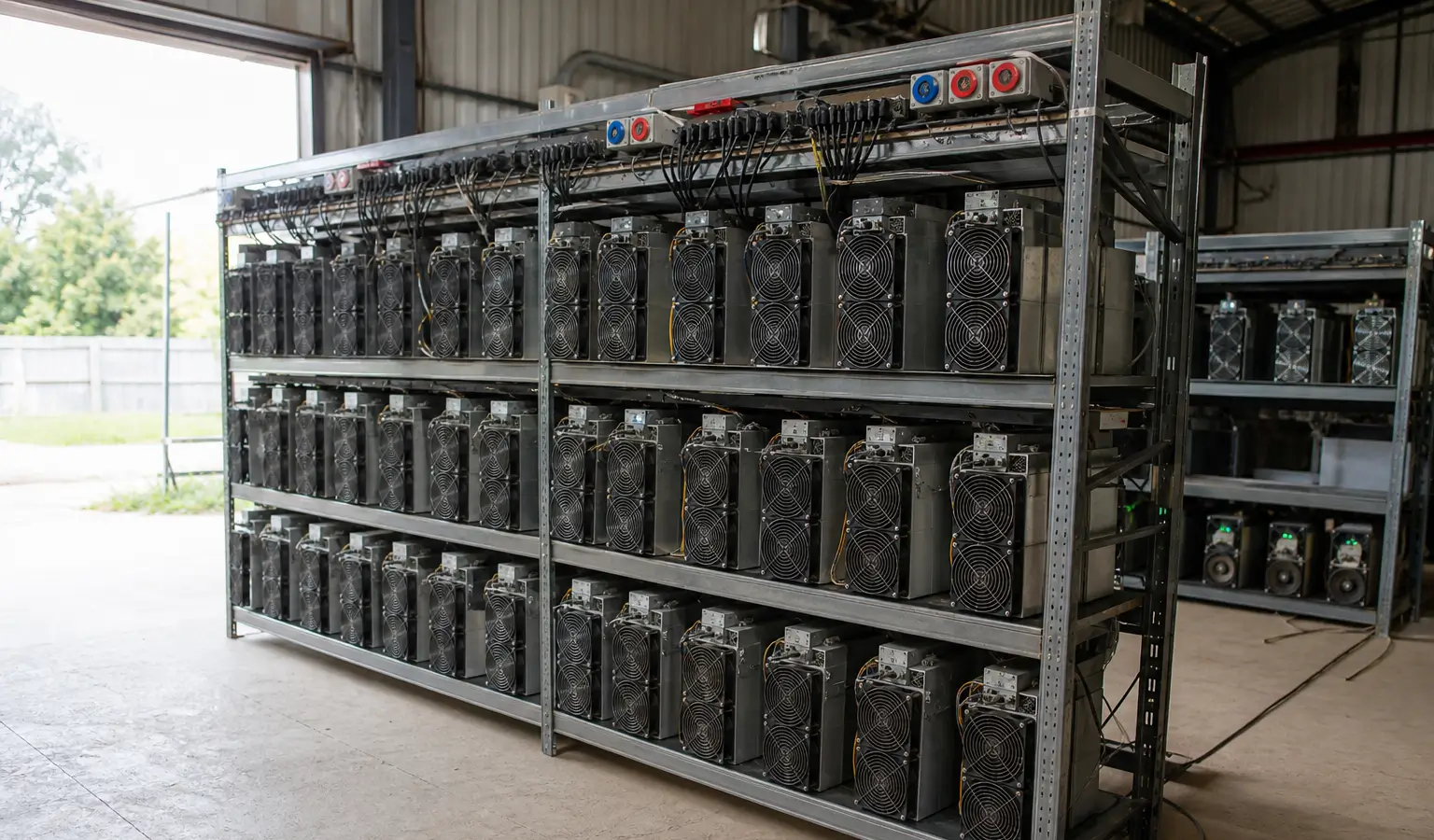
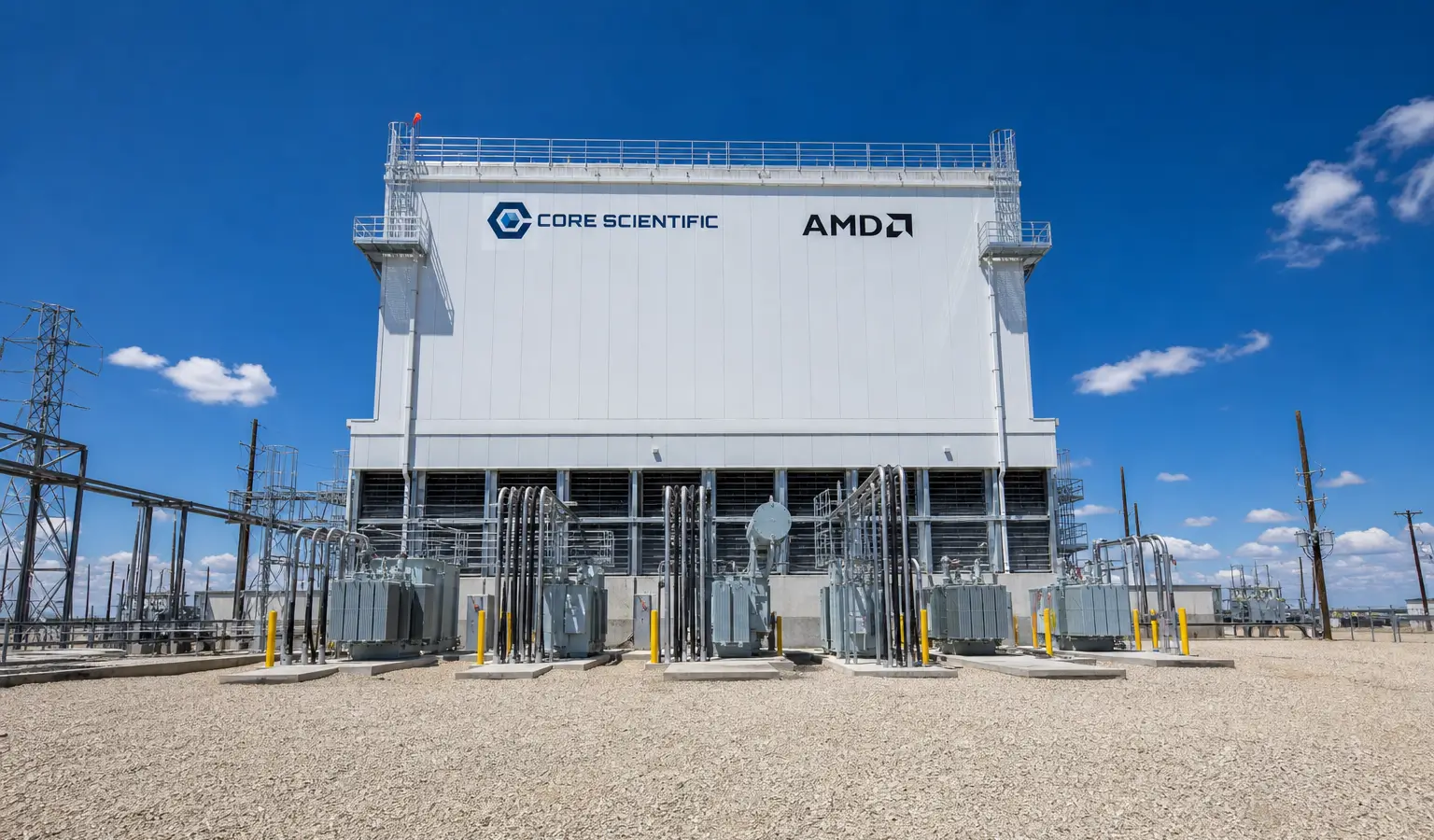
Core Scientific has locked in a large infrastructure agreement with AMD for 529 MW of AI capacity in the U.S.. The company says the deal could bring in more than $14 billion (€12.3 billion) in base revenue and marks a sharper move away from bitcoin mining and deeper into AI datacenters.
Multi-Year Capacity for AI
The leases run for 15 years and are expected to support AMD customers beginning in 2027. AMD also has the option, under certain conditions, to reserve an additional 1,925 MW through December 28, 2028, which would bring the total partnership to roughly 2.5 gigawatts.
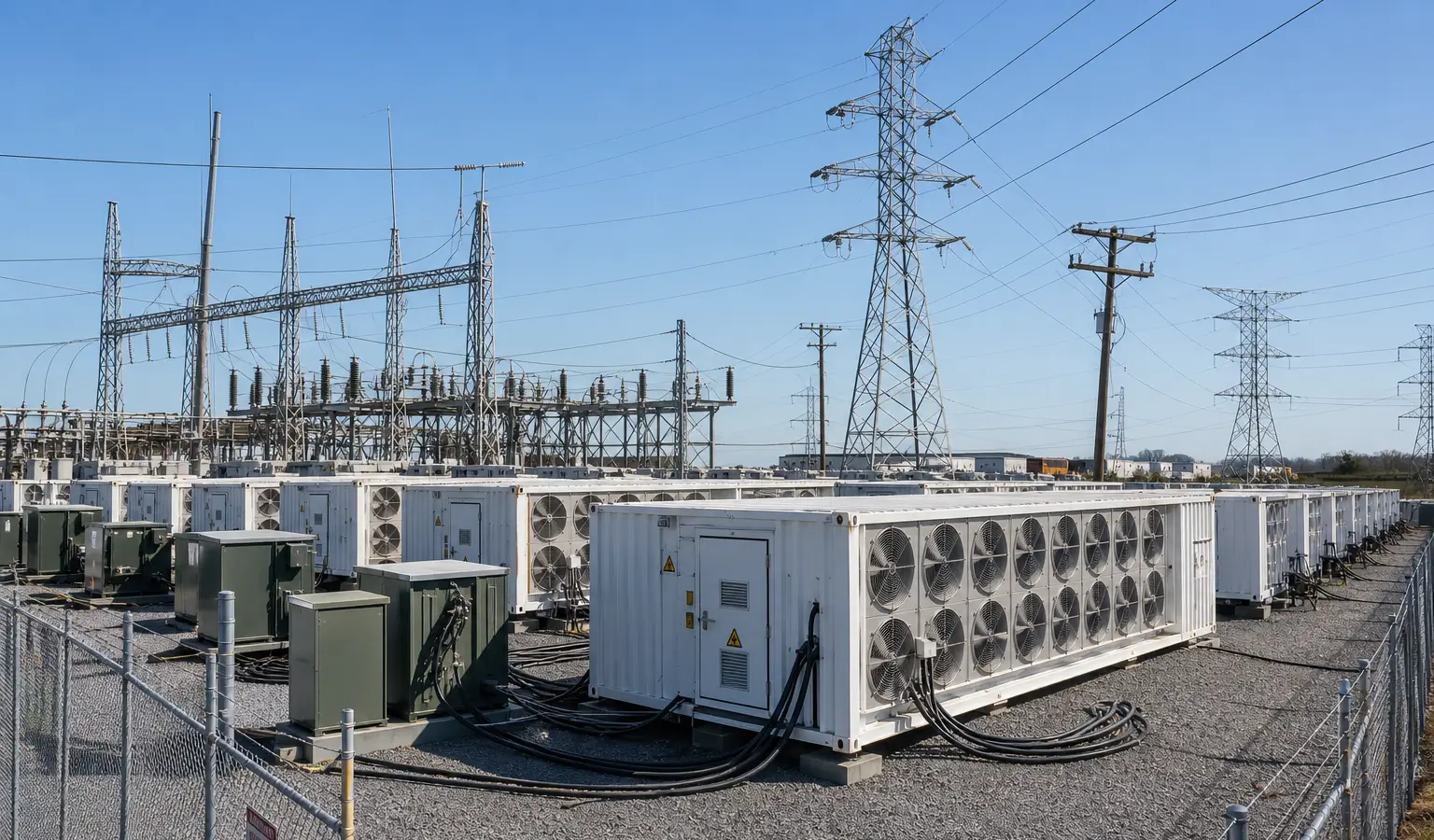
According to the company's quarterly filing, AMD is leasing 377 MW at Core Scientific sites in Pecos and Hunt County, Texas, as well as Muskogee, Oklahoma. Another 152 MW in Auburn, Alabama, is being leased by an unnamed cloud provider under AMD-backed arrangements.
Core Scientific and AMD plan to collaborate on datacenter design and on the deployment of AMD Instinct GPUs, EPYC processors, and ROCm software. The setup reflects a broader industry trend, as mining companies increasingly repurpose existing infrastructure for more demanding AI workloads while margins in bitcoin mining tighten. Other miners are making similar long-term bets on AI, including TeraWulf, which already signed a multi-year hosting agreement pointing in the same direction.
Pullback From Bitcoin Mining
The new deal brings Core Scientific's leased customer capacity to about 1.1 GW, which translates to more than $24 billion (€21.1 billion) in potential contracted revenue. As of mid-July, the company was billing for 437 MW, equal to about $635 million (€558 million) in annualized colocation revenue.
The quarterly numbers also show just how quickly the bitcoin mining side of the business is shrinking. Colocation generated $136.7 million (€120 million) in the second quarter, or 83% of total revenue of $164.2 million (€144 million), while self-mining revenue dropped 66% to $21.5 million (€18.9 million).
Core Scientific also terminated an agreement to buy bitcoin mining chips from Block and recorded a $41.9 million (€36.8 million) charge tied to that decision. The 2024 contract covered 3-nanometer chips, equal to about 15 EH/s of hashrate.
What This Means for Investors
For European crypto watchers, the main point is that a major bitcoin miner is increasingly acting like a datacenter platform. That suggests the sector may rely less on pure mining revenue and more on long-term infrastructure contracts, without offering any clear signal on Bitcoin's short-term price direction.
Core Scientific held 848 BTC on its balance sheet as of June 30, worth $49.7 million (€43.6 million), up from 547 BTC three months earlier. In the first quarter, the company sold 2,385 BTC for $208.2 million (€183 million). CORZ shares were up 5.6% in premarket trading, while AMD fell 4% in a weak chip market.