OCC Gives World Liberty Preliminary Bank Charter Approval
The OCC is reviewing World Liberty Trust’s application, while Trump’s role, Abu Dhabi, and the USD1 stablecoin make the case politically sensitive.
Key Takeaways
- The OCC gave World Liberty Trust Co. preliminary, conditional approval for a bank charter.
- The application is politically sensitive because of ties to entities around President Donald Trump and criticism from Democratic lawmakers.
- World Liberty does not want a federally insured deposit institution, a bank under the Bank Holding Company Act, or a master account at the Federal Reserve.
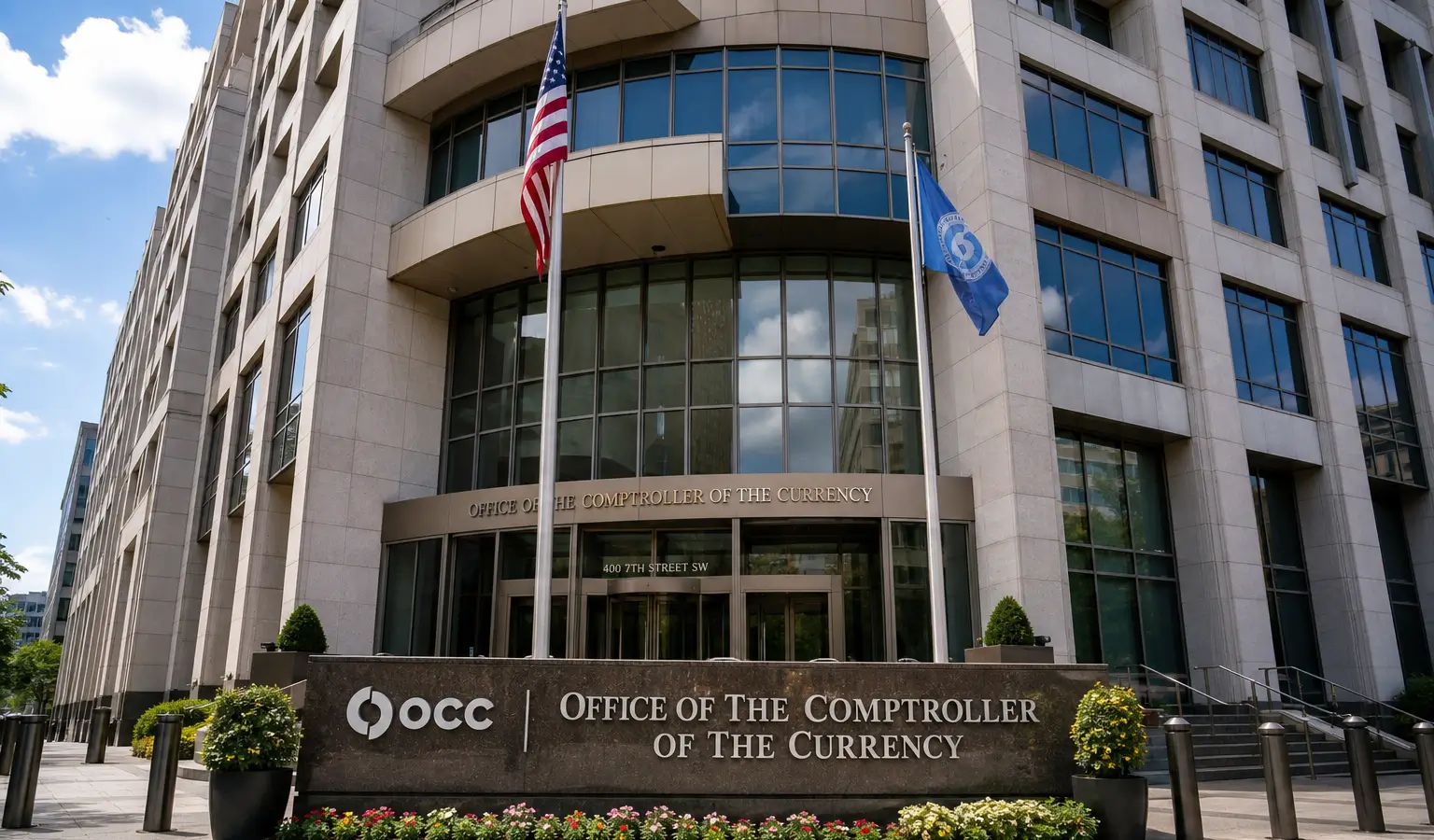
The U.S. regulator OCC has given World Liberty Trust Co. preliminary, conditional approval for a bank charter. The move stands out because the crypto company is partly owned by entities around President Donald Trump, while that same administration is directing the regulators reviewing the case.
Political Pressure Around the Application
World Liberty filed the application in January. Democratic lawmakers opposed it, partly because of the ownership structure and Trump’s role in appointing regulators who oversee the OCC, among others. The involvement of an investment firm from Abu Dhabi, which previously took a stake in World Liberty Financial, also raised questions.
In Friday’s letter, the OCC said staff at the regulator reviewed the application for compliance with legal and regulatory requirements. That shows the review followed the normal process, despite the political sensitivity of the case.
What The Charter Means
The approval is not final yet. According to the letter, World Liberty Trust Company does not want to become a federally insured deposit institution and also does not want to be a bank as defined in the Bank Holding Company Act. The company also does not want access to a master account at the Federal Reserve.
That setup makes the application relevant to the broader debate over how crypto and stablecoin companies want to position themselves under federal regulation. For European readers, the main point is that a party around a dollar stablecoin like USD1 is now getting closer to a formal U.S. regulatory framework, while political and regulatory resistance remains visible at the same time.
Pressure On Stablecoin Models
World Liberty’s application fits into a broader trend in which stablecoin issuers and crypto companies are looking for more clarity around oversight, custody, and issuance. In this case, the application was also criticized publicly, including by the National Community Reinvestment Coalition, showing that not just the technical setup but also the governance of these structures is under a microscope.
That fits into a broader wave of U.S. regulators putting crypto companies through stricter licensing and compliance requirements. For example, the trust bank application of Zerohash was recently sent back by the OCC because, according to the regulator, it fell materially short.