Oil Price Tops $70 After U.S.-Iran Tensions in the Strait of Hormuz
WTI and Brent bounced back after attacks around the Strait of Hormuz, through which about 20% of global oil flows. The planned talks in Doha are meant to help stabilize shipping routes again.
Key Takeaways
- Oil prices moved back above $70 a barrel on Monday after fresh U.S.-Iran tensions flared around the Strait of Hormuz.
- West Texas Intermediate settled at $70.17 and Brent at $73.21 a barrel, after both benchmarks had earlier fallen to their lowest levels since February.
- Shipping traffic through the Strait of Hormuz dropped from 70 vessels on June 24 to 48 between June 26 and 28, while talks in Doha are set to begin.
Oil prices rose back above $70 (€61) a barrel on Monday, June 29, after a new round of strikes and counterstrikes between the United States and Iran near the Strait of Hormuz. The fighting unsettled energy markets, even as both sides agreed to pause the escalation and return to talks.
Escalation and Response in the Strait of Hormuz
Tensions picked up after Iran's Islamic Revolutionary Guard Corps carried out a drone attack on June 25 against the Singapore-flagged container ship Ever Lovely. The vessel was hit near the coast of Oman, just after the United Nations had rolled out an evacuation plan for hundreds of stranded ships in the region.
The United States responded on June 26 with airstrikes on Iranian military sites. Iranian drones then targeted U.S. troops in Bahrain on June 27, prompting another round of U.S. strikes on Iran later that same day. On June 28, Iran hit U.S. positions in Bahrain and Kuwait. During the back-and-forth, President Donald Trump posted a warning on social media about severe consequences and said Iran could face the end of statehood if the conflict kept going.
Oil Prices and Geopolitical Impact
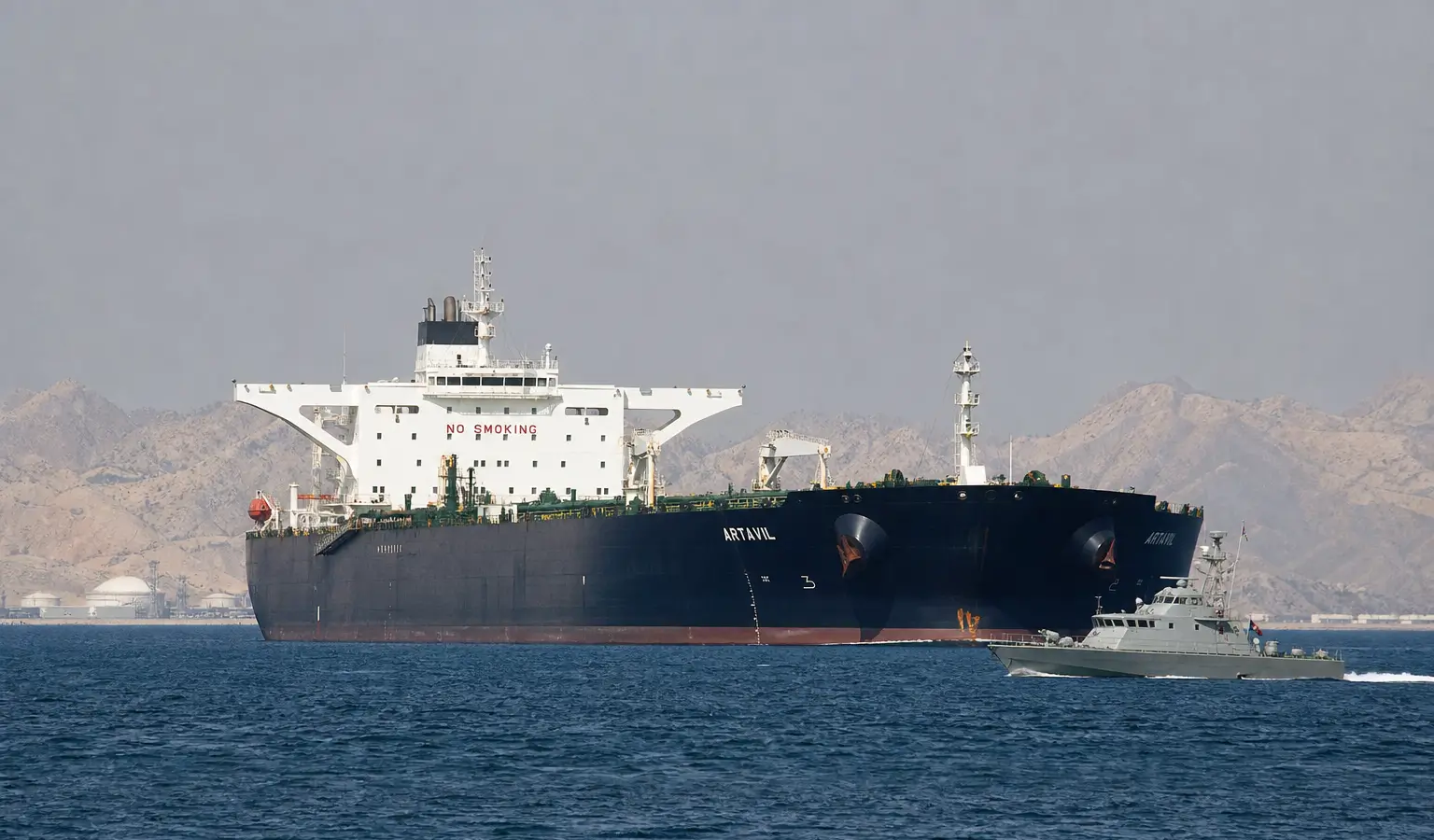
West Texas Intermediate and Brent finished at $70.17 (€62) and $73.21 (€64) a barrel, respectively. Both benchmarks had already touched their lowest levels since February earlier in the week before rebounding. The Strait of Hormuz is one of the world’s most important shipping lanes, handling about 20% of global oil flows and a major share of liquefied natural gas, which is why any disruption there quickly turns into a geopolitical concern.
Traffic through the strait fell from 70 vessels on June 24 to 48 between June 26 and 28, showing how quickly the standoff is affecting global energy movement. Markets tend to react fast to conflict risk, but for now the effect of diplomatic moves, including the planned technical talks in Doha, is still limited.
Negotiations and Outlook
A U.S. official said both sides are laying down their weapons for now and that ships are able to move through the area freely. The talks scheduled for Tuesday in Doha will be key to seeing whether the two sides can reach a more durable arrangement for managing shipping in the Strait of Hormuz. Iran, meanwhile, continues to argue that it has exclusive control over the area, and that remains a major obstacle.
For global energy markets and broader Middle East stability, the stakes are high. The Strait of Hormuz has been a strategic chokepoint for decades, and any lasting shift there would have wide-reaching consequences.